
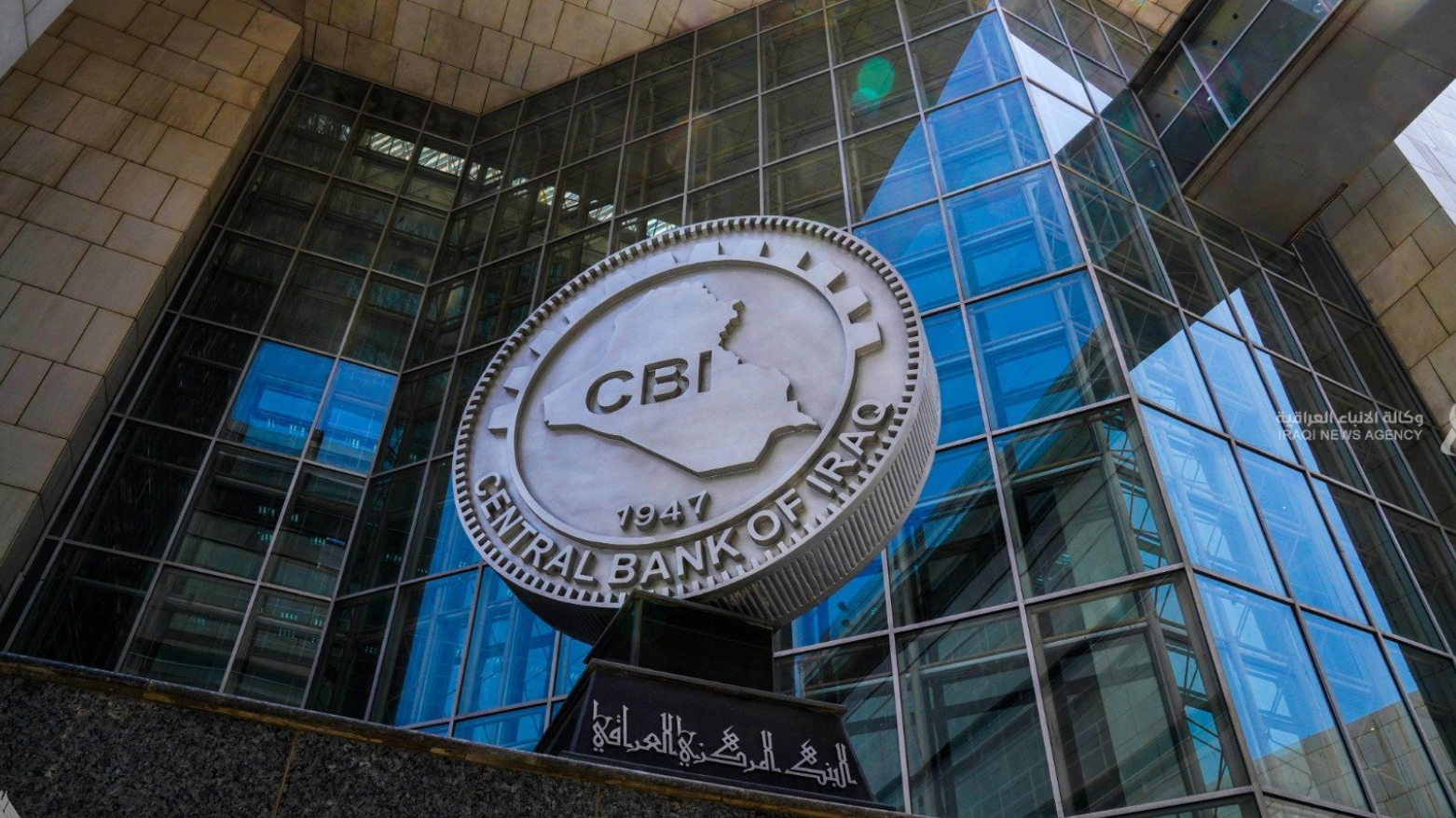
The Central Bank of Iraq (CBI) has announced important changes to the exchange rate of the Iraqi dinar against the US dollar, starting October 7, aimed at stabilizing the nation’s economy. This adjustment is a response to various financial challenges facing the country as officials seek to protect the government’s financial needs and bolster local production.
Details of the Exchange Rate Adjustment
As per the CBI’s announcement, the Finance Ministry will acquire US dollars at a rate of 1,500 Iraqi dinars. Additionally, banks will obtain dollars at 1,510 dinars, while the general public will experience a cash selling rate of 1,520 dinars for each dollar. Haider Ghazi, the media director for the CBI, emphasized in an interview with Al-Iraqiya TV that the financial landscape remains “exceptional and sensitive,” primarily due to disruptions in oil exports and the closure of the Strait of Hormuz. These developments have severely impacted government revenues, highlighting the urgency of this policy.
Potential Consequences and Economic Ramifications
While Ghazi acknowledged that the exchange rate change may bring certain economic repercussions, he suggested that this was a necessary step to mitigate even larger damages that might arise if the previous rate had remained in place. This adjustment occurs amidst considerable strain on Iraq’s oil-dependent economy, where approximately 90 percent of the nation’s budget is funded by oil revenues. With export disruptions leading to decreased government income, the CBI’s actions are intended to safeguard financial stability in the long run.
Moreover, the adjusted exchange rate aims to bolster the competitiveness of locally produced goods. Local industries have frequently found it challenging to compete against cheaper imported products. Ghazi argued that this rate modification could rejuvenate domestic production and consequently minimize reliance on foreign imports. The CBI envisions that this policy may facilitate investments in non-oil sectors and encourage the expansion of businesses, generating new employment opportunities particularly for small and medium-sized enterprises.
Addressing the Market Discrepancies
Another aspect of this adjustment is the intention to narrow the gap between the official exchange rate and the rates in the parallel market. Ghazi pointed out that discrepancies often arise due to commercial activities conducted outside official protocols. The high demand for foreign currency, particularly dollars, in unauthorized transactions has contributed to an inflated market. He expressed the government’s commitment to enhancing border controls and inspections, thereby ensuring that imported goods are processed through legal channels.
The CBI assures that there are adequate foreign currency reserves to satisfy legitimate trade financing needs as well as transactions for travel-related dollar purchases at the official rate. They attribute prior hikes in parallel-market exchange rates to factors such as speculation and geopolitical instability. The recent adjustment represents a significant 14.5 percent devaluation from the former official rate of 1,320 dinars per dollar, which is expected to positively impact the dinar value of government oil revenues while simultaneously raising import costs in local currency terms.
In conclusion, the CBI’s measures aim not only to stabilize Iraq’s financial landscape but also to rejuvenate the domestic economy by fostering local production and minimizing reliance on imports. The complexities surrounding the currency adjustment reflect the multi-faceted challenges that the Iraqi economy is currently navigating, as officials strive to secure a more resilient financial future.