
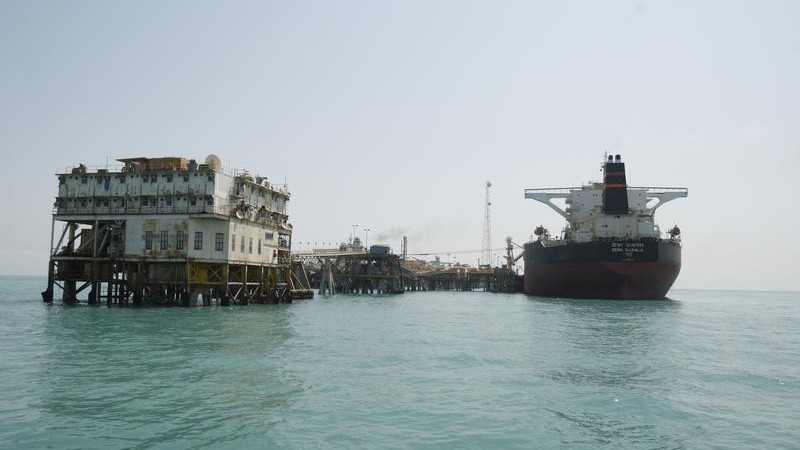
Iraq’s oil sector is facing critical shifts that extend beyond mere production metrics or traditional economic assessments. As the country grapples with the ramifications of ongoing geopolitical conflicts and the complexities of national governance, the dynamics of its energy sector have evolved to encapsulate broader issues of sovereignty, regional power struggles, and economic stability.
The Need for Centralization and Reform
In light of recent developments, the coming months are pivotal for Iraq’s hydrocarbon industry. The Iraqi government, under increasing pressure, is working to centralize its energy sector, which has long suffered from fragmentation caused by decades of conflict, inefficiency, and external influences. Recent efforts by Baghdad focus on consolidating control over oil exports, revenue collection, and infrastructure management, reflecting a national strategy aimed at enhancing state authority.
The Ministry of Oil has emerged as a linchpin in restoring order and increasing revenues. Political fragmentation hampers revenue generation and diminishes Iraq’s standing in the global energy market. Recent elections have ushered in new leadership and an emphasis on mechanisms that reinforce federal oversight, particularly given the competing interests of Kurdish authorities and Iranian influence. The resurgence of Iraq’s oil resources hinges on the government’s ability to unify these disparate factions.
Impact of Regional Conflicts on Export Strategies
Complicating matters is the ongoing crisis surrounding the Strait of Hormuz, a vital chokepoint for oil exports. Disruptions here have severely impacted Iraq, which previously exported around 93 million barrels per month through this route. As of recent reports, that figure has plummeted to approximately 10 million barrels, highlighting Iraq’s vulnerability and the urgent need for an alternative export strategy. This reality prompts Baghdad to rethink its reliance on southern export terminals, pushing for diversification in its energy infrastructure.
To that end, Iraq’s recent agreement with the Kurdistan Regional Government (KRG) to resume oil exports via the Kirkuk-Ceyhan pipeline signifies a potential shift in strategic priorities. The KRG possesses crucial untapped gas resources that could not only cater to domestic needs but also facilitate exports to neighboring Turkey. This cooperative framework is essential for both federal and Kurdish authorities as they seek to stabilize and strengthen economic operations.
Challenges and Opportunities Ahead
Although there are glimmers of hope, the relationship between Baghdad and Erbil remains fragile, characterized by ongoing disputes over budget transfers and security concerns linked to militia activity. Both sides must navigate these challenges to create a sustainable framework for collaboration. Despite this, the confluence of interests among international oil companies, regional stakeholders, and Iraqi authorities creates a unique opportunity for development and reform.
The growing acknowledgment of the necessity for gas development in Iraq positions the KRG as a vital player in the national energy landscape. This development is critical for reducing reliance on Iranian imports and solidifying energy security. As domestic demand for gas rises, harnessing these resources could significantly boost Iraq’s economic resilience.
In summation, the evolution of Iraq’s energy sector, while fraught with challenges, presents a pivotal moment. The potential for reform exists, driven by a collective recognition of the need for stronger institutions and collaborative governance. As the local leadership grapples with entrenched political dynamics, the true test lies in creating resilient frameworks that endure beyond immediate crises. The path forward is not without hurdles, but it may well redefine Iraq’s future in the global energy landscape.