
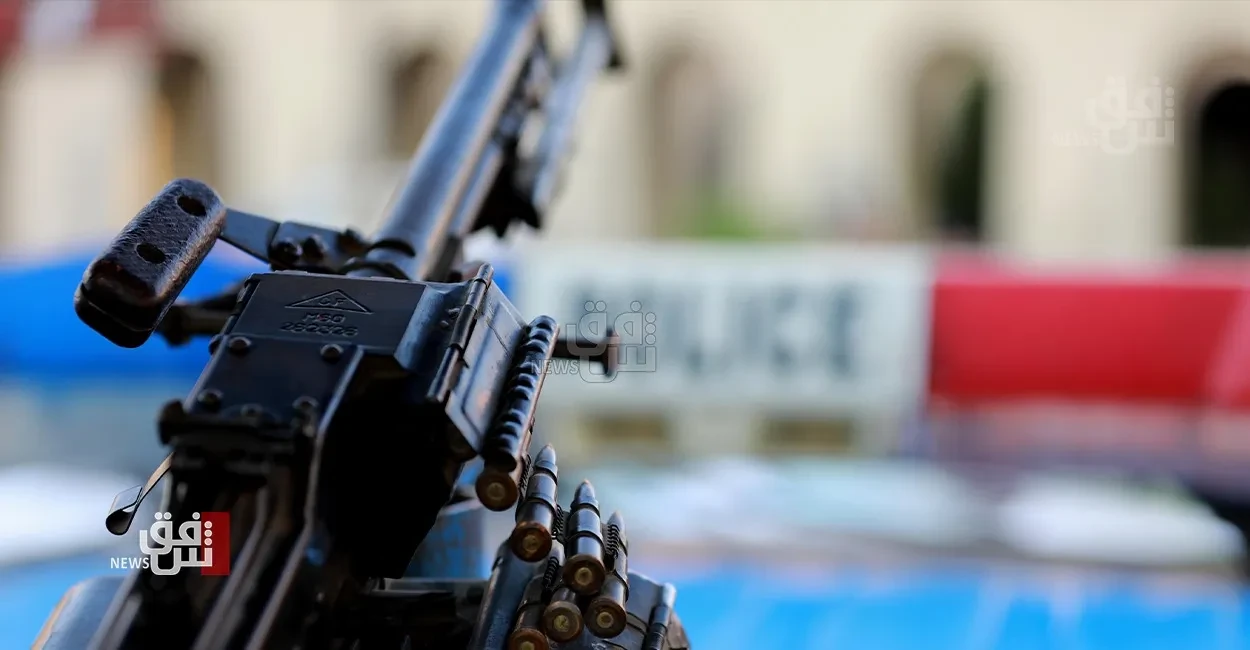
Iraq’s political landscape is characterized by a complex relationship between various political parties and armed factions. With around 340 licensed parties, real political power is concentrated in the hands of 10 to 15 main players, many of which have ties to armed groups. This interconnectedness raises serious questions about constitutional boundaries and the enforcement of laws meant to limit the influence of militias in the political process.
The Fragmented Political Landscape
Before the U.S.-led invasion in 2003, Iraq operated under a single-party system dominated by Saddam Hussein’s Baath Party. The overthrow of Saddam allowed for a rapid emergence of numerous political parties, leading to the establishment of a multiparty system in the 2005 constitution. However, past grievances and sectarian tensions continue to shape Iraq’s political dynamics. Significant portions of the Shia population were marginalized during the Baath era, with many going underground or into exile to form opposition movements. Following the 1991 Gulf War, the Shia-led uprisings faced brutal repression, laying the foundation for the armed factions that now play a significant role in Iraqi politics.
The Badr Organization exemplifies the historical roots of armed political entities, originating as an Iranian-backed group during the 1980s. This legacy has made Shia factions the most prominent players in Iraq’s armed political landscape. However, the constitution does not differentiate between communities regarding policy enactment and party registration, presenting a unique challenge to governance and accountability in the evolving Iraqi political system.
Legal Constraints and Challenges
The Iraqi constitution explicitly states that armed forces should reflect the country’s diverse communities and prohibits the formation of militias outside state control. Article 9 mandates that armed institutions are to be under civilian authority and not employed for political purposes. The Political Parties Law No. 36 of 2015 further emphasizes this by asserting that political parties cannot operate as military or paramilitary organizations. Despite these regulations, enforcement has proven inadequate, particularly against influential political factions with armed affiliations.
As political researcher Muhannad al-Janabi highlights, the integration of armed groups into political life began soon after 2003. The 2018 elections marked a significant turning point, with factions linked to the Popular Mobilization Forces (PMF) gaining parliamentary seats while maintaining their military wings. This fusion of politics and armed influence poses a constitutional dilemma, complicating the enforcement of existing laws against these factions.
Internal and External Pressures for Disarmament
Efforts to restrict arms to state control have seen varying levels of commitment. Prime Minister Ali al-Zaidi has emphasized the importance of establishing a state monopoly over arms, but recent developments suggest a shift from outright disarmament towards the regulation of existing weapons. Both internal political dynamics and external pressures, particularly from the U.S., urge Baghdad to take substantial steps toward disarmament. However, many factions have responded by displacing their demands, including calls for the removal of foreign military presence in Iraq.
Political observers argue that effective reform will require more than drafting new legislation; it demands strict enforcement of existing laws. The challenge remains significant as factions with armed wings hold key parliamentary roles and positions of power, complicating efforts for comprehensive legal accountability.
The Importance of Addressing Economic Influences
Beyond the immediate issues of arms and legality, the political situation in Iraq is intertwined with the “statelets” that these militarized groups create. Political researcher Abdul Qader al-Nayel argues that armed factions exert substantial influence over economic and political decision-making, perpetuating a system rife with violations of the Political Parties Law. Solutions must extend to dismantling the economic power wielded by these factions, closing down their economic offices, and ensuring the Independent High Electoral Commission restricts participation for parties with armed wings.
These interconnections reveal the depth of the challenges facing Iraq. As political dynamics evolve alongside legal frameworks, it becomes imperative to assess how the state can reclaim sovereignty from armed actors while fostering a political environment that encourages genuine plurality and democracy. With concerted effort and clear distinctions between military and political functions, Iraq can begin to chart a course towards lasting stability.