
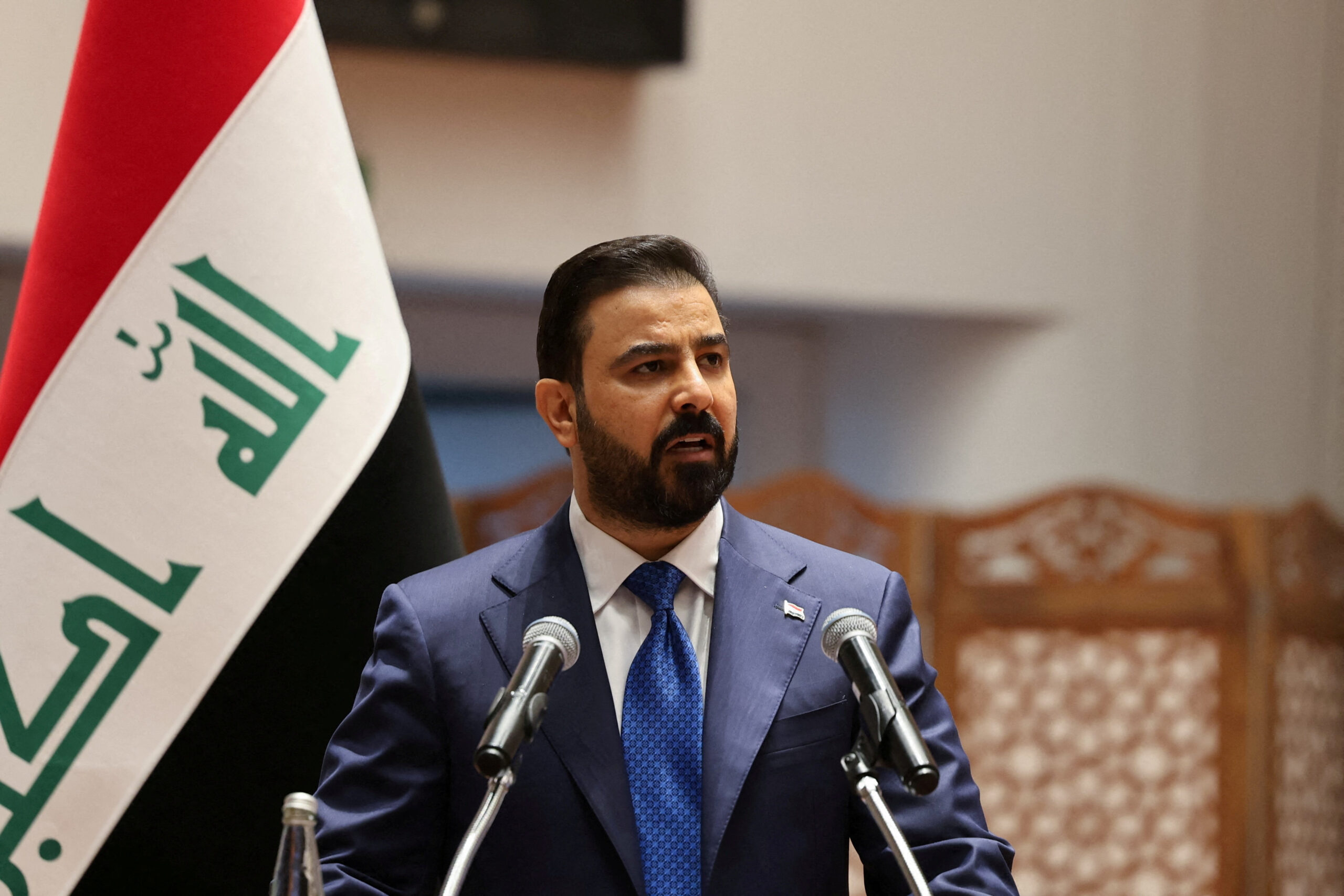
In an era marked by shifting geopolitical landscapes, Iraqi Prime Minister Ali al-Zaidi’s inaugural visit to Washington signals a pivotal moment for Iraq-U.S. relations. Expected to engage with President Donald Trump, al-Zaidi’s agenda revolves around disarming Iran-backed militias and fostering partnerships with American energy firms. His visit highlights crucial elements that transcend mere diplomatic formalities, aiming to carve out a space for Iraq within the complex web of regional politics.
Setting High Expectations
Ali al-Zaidi’s rise to the office of Prime Minister was somewhat unexpected. Nominated by the Coordination Framework, a coalition of Shia parties, he is the first non-political figure in this role. Following prolonged bureaucratic deadlock, his confirmation on May 14 came as a surprise, leading to high expectations for change. As a businessman rather than a seasoned politician, al-Zaidi seeks to position himself as a political outsider. During this trip to Washington, he aims to solidify American support while emphasizing the importance of U.S.-Iraq ties.
Despite his attempts to establish a fresh start, al-Zaidi’s timing is precarious. His visit follows the high-profile funeral of Iran’s former Supreme Leader, Ali Khamenei, where many Iraqi politicians, including al-Zaidi, publicly mourned. This coincidence underlines the fragility of Iraq’s foreign policy, which must navigate the complicated dynamics between Iran and the U.S. The ongoing struggle between these two influences complicates al-Zaidi’s efforts to solidify a more pro-American stance.
Facing the Balancing Act
Al-Zaidi’s diplomatic mission embodies the challenging balancing act that has historically plagued Iraqi prime ministers. The need to address U.S. demands while maintaining stability amidst Iran’s significant influence is daunting. The Iranian war’s aftermath has heightened tensions, intensifying U.S. scrutiny of Iraq’s alignment. Al-Zaidi must demonstrate that he possesses the acumen to meet U.S. expectations while managing his domestic political landscape.
The stakes are particularly high for al-Zaidi in his upcoming meeting with Trump. The dynamics between personal rapport and political substance will be pivotal in assuring the U.S. of its investment in the right leader. The current U.S. administration’s agenda is primarily influenced by concerns over Iranian power, particularly the actions of militias that have long challenged American interests in Iraq. The previous government faced substantial backlash and diminished U.S. support, which al-Zaidi must avoid at all costs.
Strategic Deals on the Horizon
As al-Zaidi juggles the threat of Iranian influence and the necessity of U.S. partnerships, economic incentives will play a significant role in his strategy. His administration is poised to sign several agreements with major U.S. energy companies, which could provide considerable benefits to both the Iraqi economy and American businesses. These transactions are not merely transactional; they represent an essential facet of rebuilding Iraq’s energy sector while simultaneously aligning with U.S. interests.
Furthermore, al-Zaidi is under immense pressure to tackle corruption, a longstanding issue plaguing Iraq’s governance. A recent anti-corruption crackdown has elicited cautious optimism, showcasing his readiness to confront entrenched inefficiencies. However, he faces considerable resistance from powerful militia groups that may thwart his attempts at reform. The intertwining of these groups within the political fabric of Iraq poses a significant barrier to achieving sustained progress toward disarmament and political stability.
What Lies Ahead
Ultimately, al-Zaidi’s challenge goes beyond securing meetings and crafting agreements; it’s about reshaping Iraq’s narrative in Washington. A growing skepticism among U.S. policymakers toward Iraq’s commitment to American interests indicates that al-Zaidi must demonstrate concrete advancements to maintain the partnership. With lingering narratives suggesting an effective U.S. loss in Iraq to Iranian influence, the prime minister must work diligently to counteract this perception.
Navigating these turbulent waters requires strategic engagement from the U.S. that benefits both parties. Sustained involvement that combines political pressure with constructive support could yield meaningful improvements in Iraq’s governance and stability. If al-Zaidi can successfully align Iraqi ambitions with U.S. interests, it could herald a new chapter for Iraq that reduces Iranian influence while fostering growth and political resilience.