
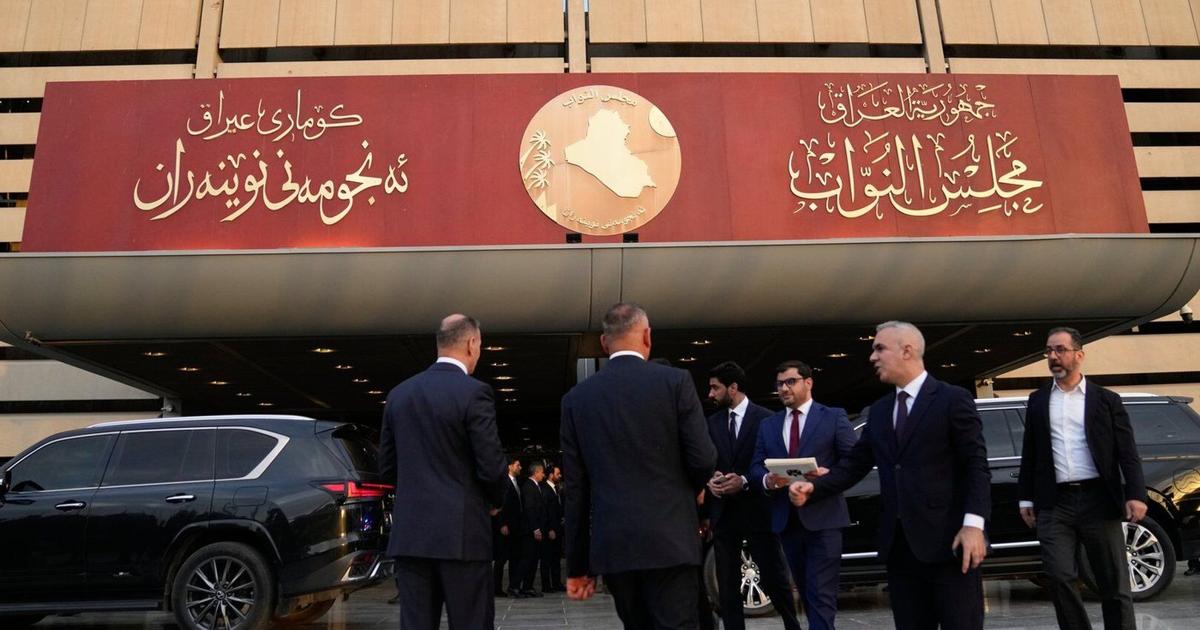
Iraq has recently taken a significant step towards political stability with the appointment of ministers to fill longstanding vacancies in its Cabinet. This move comes as the country seeks to reinforce its governance structure amid ongoing challenges. The latest vote in parliament is pivotal, marking a crucial moment in Iraq’s efforts to solidify its political framework.
Parliamentary Decision to Fill Cabinet Vacancies
In a decisive parliamentary session, Iraq’s lawmakers approved candidates for various Cabinet positions that had remained unoccupied for an extended period. This decision aims to strengthen the nation’s leadership, filling roles essential for effective governance. Among the newly appointed officials is a deputy prime minister who has garnered attention due to concerns raised by the United States regarding his background and qualifications.
The vacancies in government have been a source of frustration for many Iraqis, as they hindered the country’s ability to function smoothly. By addressing these gaps, the parliament not only works toward enhancing political stability but also aims to reassure citizens about the government’s capability to address pressing issues such as security and public services.
The Role of U.S. Relations in Iraq’s Politics
The selection of the new deputy prime minister has stirred discussions surrounding U.S.-Iraq relations. Given that this official is under scrutiny from American authorities, the appointment may pose a challenge as Iraq navigates its foreign relations. The U.S. has long been involved in Iraqi affairs, particularly in sectors like security and economic development. Maintaining a productive relationship with Washington is crucial for Iraq, especially considering its reliance on foreign investments and military support.
Despite the apprehensions regarding the deputy prime minister’s role, Iraq’s parliament appears committed to building a diverse and effective government. The presence of various political factions within the Cabinet reflects the complexities of Iraq’s political landscape, aiming for a balance that caters to multiple interests and groups.
Impacts on Governance and Stability
The completion of the Cabinet is expected to have significant implications for governance in Iraq. A full complement of ministers can facilitate smoother decision-making and more effective policy implementation. This, in turn, is vital for addressing critical issues faced by the country, including economic recovery, security concerns, and social development.
Moreover, the appointment of ministers may also help restore public trust in the government. Iraqis have expressed dissatisfaction regarding the lack of accountability and transparency in their leadership. With a functioning Cabinet in place, there is hope for more responsive governance that addresses the needs and aspirations of the citizens.
Looking Ahead: Prospects for Iraq’s Future
As Iraq moves forward with a complete Cabinet, many are watching closely to see how the new government’s initiatives will unfold. The challenges remain significant, ranging from economic difficulties to security threats from non-state actors. However, with a full governing body, there could be renewed hope for effective strategies to tackle these pressing issues.
The next steps will be crucial in determining the effectiveness of this newly formed government. By ensuring that the appointments lead to tangible improvements in the lives of ordinary Iraqis, the parliament can pave the way for a more stable and prosperous future. The success of this endeavor will depend largely on the government’s ability to work collaboratively and address the complex demands of the Iraqi population.