
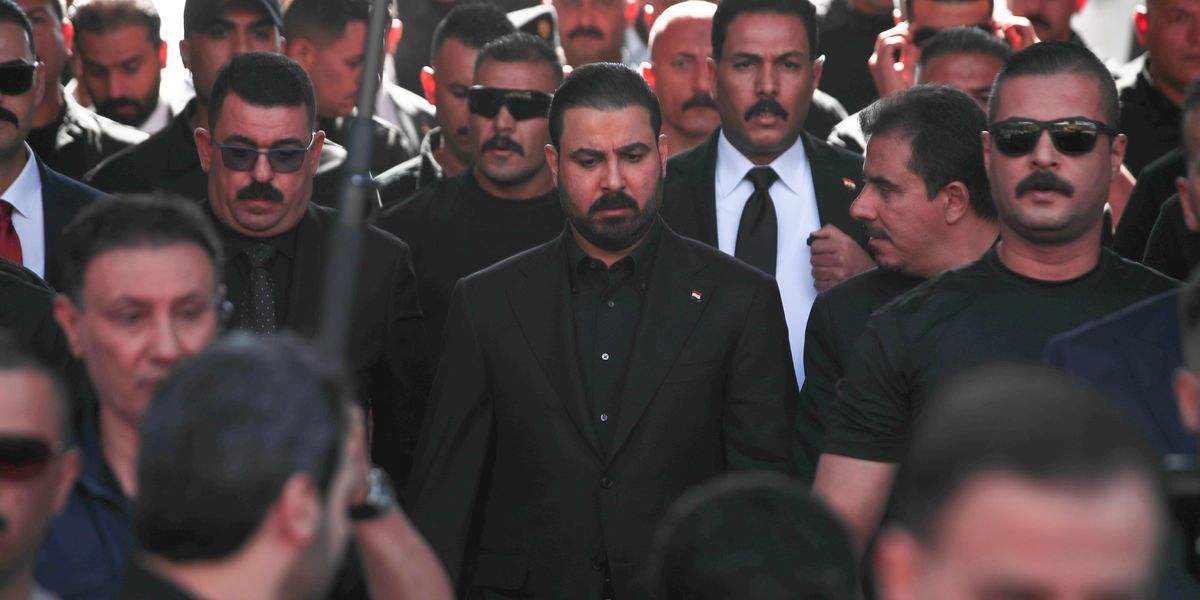
The unfolding political landscape in Iraq marks a significant chapter in its history, reminiscent of pivotal moments in cinematic narratives. Under the leadership of Prime Minister Ali Al Zaidi, Iraq is experiencing what many are dubbing its own “Godfather moment,” where power dynamics shift as the quest for reform grapples with entrenched corruption.
Ali Al Zaidi’s Anti-Corruption Campaign
Since assuming office in May, Prime Minister Ali Al Zaidi has initiated an ambitious drive against corruption, scrutinizing the very framework of Iraq’s political and administrative structures. His campaign, aptly named “Dawn,” has already led to investigations into billions supposedly mismanaged, sending shockwaves through the networks of officials who have long thrived on Iraq’s widespread patronage system. This unprecedented crackdown has drawn praise from both international observers and former leaders, suggesting a rare moment of unity against the longstanding corruption plaguing Iraq.
Foreign interests have largely welcomed Zaidi’s bold steps. American officials, along with some members of the international community, see this movement as a potential turning point, one that could finally address the rampant corruption that has hindered Iraq’s governance for over twenty years. Support also comes from China, one of Iraq’s primary trade partners, which stands to gain from enhanced stability within the region.
Defining the Corruption Issue
Corruption in Iraq has deep roots, stemming back to the U.S.-led invasion that dismantled Saddam Hussein’s regime in 2003. The political landscape since then has evolved into a complex patronage network, fueled by significant financial inflows from American reconstruction efforts. Positions within the government often fill with party loyalists over qualified technocrats, perpetuating a cycle where lower-ranking officials exploit their positions for personal gain through various corruption schemes. Ordinary citizens bear the brunt of this ambiguity, facing demands for bribes even for basic services, while state resources vanish into opaque networks without accountability.
The notorious “Baghdad job” exemplifies the depth of this corruption, where around $1.9 billion was illegally siphoned from Iraq’s tax authority through fraudulent schemes. Such monumental theft reflects how embedded corruption is within state institutions. Recognizing that corruption is not just a matter of a few dishonest individuals but an institutional challenge remains critical for any significant reform.
The Political Landscape: A Decade of Unease
For decades, the Iraqi populace has bristled against the systemic corruption and lack of services, culminating in widespread anti-government protests roughly a decade ago. These demonstrations revealed a disconnect between the ruling Shia elite and the everyday struggles of their constituents, questioning the sustainability of their political power. Previous attempts at reform, such as those by former Prime Minister Haider al-Abadi, were perceived as superficial, failing to address the underlying systemic issues.
In contrast, Zaidi’s approach aims to tackle the deeply entrenched roots of corruption that intertwine ethnicity and sectarianism in political appointments. However, his government quickly faces challenges and criticisms, particularly concerning whether his campaign addresses the symptoms or the causes of corruption. Navigating this intricate political landscape necessitates keen strategy—balancing the need for reform while avoiding alienation.
The Road Ahead for Iraq
As Prime Minister Zaidi endeavors to form a government free from the pervasive grip of corruption, the critical question center stage is whether he will emulate Michael Corleone’s method of consolidating power by eliminating threats while safeguarding allies or lead a genuine reform movement that restructures Iraq’s political economy.
The potential for change is palpable, yet the success of Zaidi’s reform efforts hinges on dismantling the institutional structures that perpetuate corruption. Only time will reveal whether his administration can achieve the ambitious goals it has set or if it will falter against the same forces that have opposed meaningful progress for so long. As Iraq stands on the brink of a defining transformation, the echoes of past failures must guide its leaders toward a more transparent future.