Iraq’s Commitment to Sovereignty Amid Regional Tensions
Iraq’s Prime Minister, Ali al-Zaidi, recently reaffirmed the nation’s position of neutrality regarding regional military conflicts. This statement comes on the heels of his government taking significant measures, such as the closure of border crossings with Iran. Al-Zaidi emphasized Iraq’s role as a peaceful intermediary rather than a belligerent state, underlining the importance of sovereignty and state control over arms.
Iraq’s Stance on Regional Conflicts
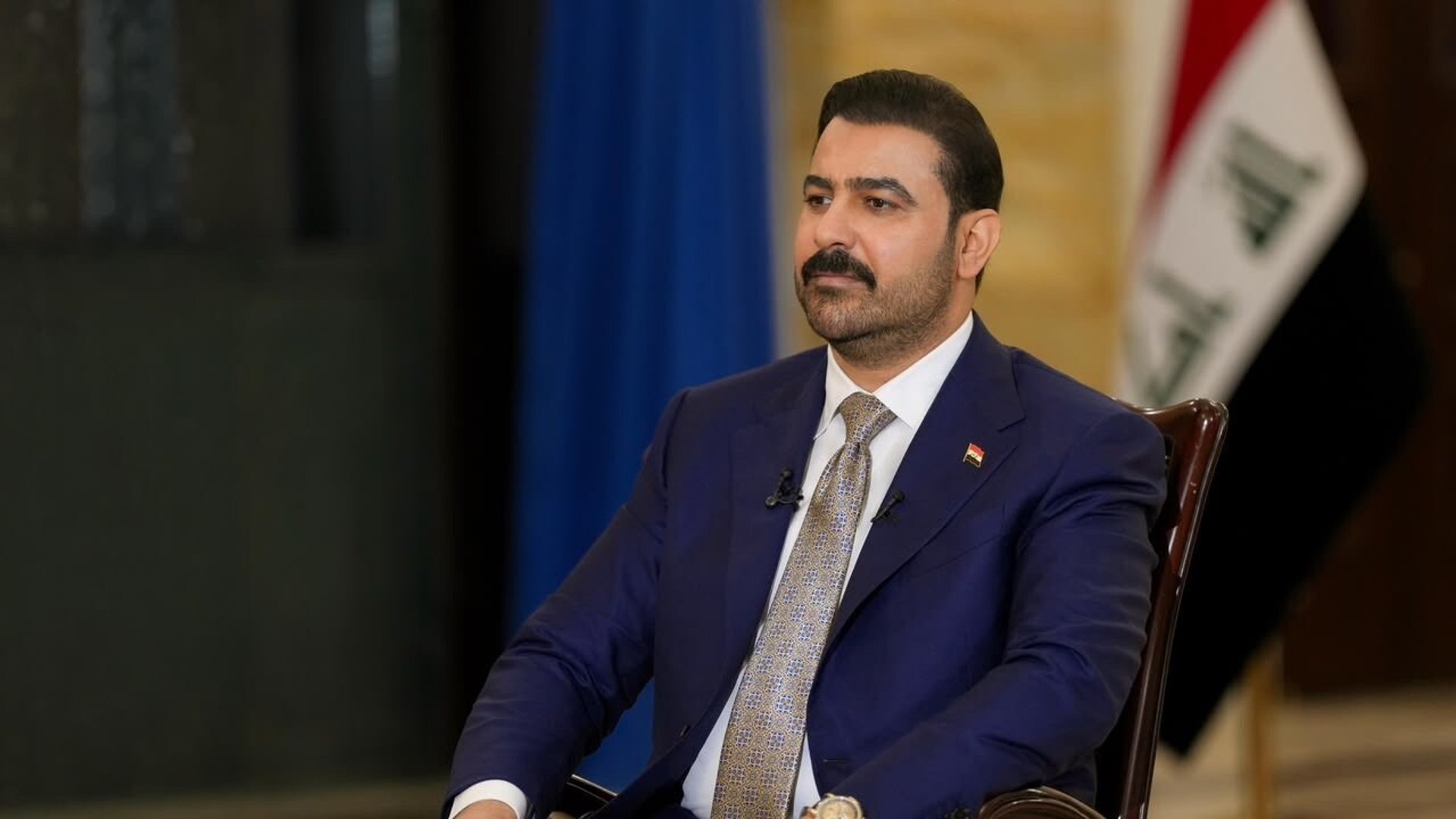
During an interview with Al-Iraqiya TV, Prime Minister al-Zaidi made it clear that Iraq will not participate in any wars. He stated, “Iraq will not be a party to any war. It is a meeting ground, not a source of aggression.” Both Iran and the United States recognize Iraq’s importance in regional dynamics, and al-Zaidi reiterated Iraq’s commitment to facilitating dialogue and seeking diplomatic resolutions to ongoing crises. He stressed that achieving full sovereignty is critical for the nation and is not merely optional; it is essential for maintaining stability.
Border Closures and Economic Implications
The decision to close border crossings was primarily influenced by security considerations and was aimed at improving technical and logistical operations at these points. Al-Zaidi acknowledged that the disruptions would have economic repercussions for both Iraq and Iran due to the significant volume of goods flowing between the two nations. The Sheib crossing, which now remains closed to travelers and goods, exemplifies the government’s cautious approach amidst regional tensions. However, this closure is anticipated to be temporary, as officials work through operational challenges.
Air Travel and Sanctions Adjustments
In a separate development, Najaf International Airport has resumed flights with Iran. Iraqi Airways restarted its services following a brief suspension prompted by U.S. sanctions on several Iranian airlines. The Iraqi government successfully negotiated an exemption, allowing for limited flights that sought to support the economy while ensuring compliance with international regulations. Al-Zaidi highlighted Iraq’s efforts to navigate the complexities of its relationships with both Iran and the U.S. while focusing on national stability.
Combating Corruption and Economic Identity
In addition to diplomatic efforts, combatting corruption remains a top priority for al-Zaidi’s administration. He declared an ongoing commitment to anti-corruption initiatives, asserting that corruption hampers the development of a stable state. The Prime Minister pointed out that corruption is a widespread issue that transcends political divides within Iraq, leading to significant legal actions against politicians from various backgrounds. His government is actively working to establish a clearer economic identity, moving away from a hybrid economic system that has proven ineffective.
In summary, Iraq’s current geopolitical situation requires careful balancing of various interests both internally and externally. Prime Minister al-Zaidi’s leadership focuses on ensuring national sovereignty, enhancing economic ties, and pursuing diplomatic dialogue. Through strategic actions such as border management, resuming flights, and pursuing anti-corruption measures, Iraq aims to stabilize its position while navigating complex regional dynamics.