
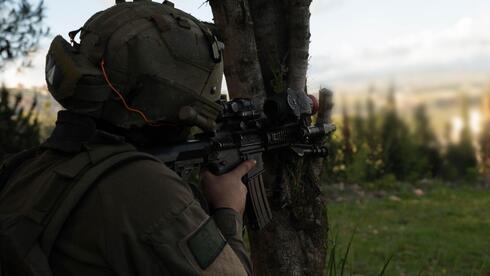
In the dynamics of modern warfare, strategic locations often play crucial roles in military operations. Recent reports reveal that Israel constructed a significant military facility just prior to the onset of conflict, with the awareness of the United States. This facility was designed to accommodate special forces and function as a vital logistics center for the Israeli air force, as well as to host rescue teams prepared for potential scenarios involving downed pilots.
Strategic Military Installation
The establishment of this Israeli military base highlights the importance of logistics in modern combat. Not only did it house elite forces, but it also served as a coordination point for aerial operations. The presence of rescue teams at this location was particularly crucial, reflecting Israel’s commitment to safeguarding its pilots. Interestingly, during the entire duration of the war, no Israeli pilots were reported downed, which underscores the effectiveness of the base’s strategic planning and implementation.
Increased Military Activity
In early March, reports from the Journal suggest that the Israeli base faced a potential exposure of its operations. Local Iraqi media revealed that a shepherd detected unusual military activities, including an increase in helicopter operations. Such sightings prompted the Iraqi army to mobilize forces for investigation. An Israeli official later confirmed that airstrikes were deployed to deter the Iraqi army’s movements, resulting in international criticism. The Iraqi government condemned these airstrikes, stating that they led to the death of an Iraqi soldier, illustrating the heightened tensions in the region.
International Reactions
The airstrikes not only showcased Israel’s military capabilities but also elicited strong reactions from neighboring countries. Iraq’s condemnation of the attack serves to underline the complexity of regional politics, where military operations can quickly escalate into diplomatic confrontations. The incident marked a significant flashpoint, revealing the precarious balance of power and the ongoing volatility in the region. As nations closely monitor each other’s military actions, the repercussions of such events can have far-reaching implications on foreign relations and security strategies.
The Importance of Intelligence
The ongoing military developments underscore the vital role of intelligence in contemporary warfare. Israel’s ability to maintain operational secrecy and execute timely responses to threats showcases a high level of preparedness and strategic foresight. The integration of intelligence-gathering methods and prompt reaction capabilities is essential in preventing potential incursions and protecting national interests. This situation also serves as a reminder of the importance of surveillance and reconnaissance in today’s conflict landscapes, where information can dictate the success or failure of military missions.
In summary, the establishment of Israel’s military facility signifies a crucial element in its defense strategy, acting as both a base for special operations and a logistics center for aerial missions. The incidents surrounding this base reflect the intricate nature of military engagements and the geopolitical tensions that can arise from them. As the dynamics of modern warfare continue to evolve, the lessons learned from these events will likely inform future military strategies and regional policies.