
Iraqi forces have heightened their presence in the nation’s desert regions following alarming reports of Israeli military operations within their borders amidst the ongoing Middle East conflict. This development comes after a series of joint attacks by the US and Israel targeting Iran, marking a significant escalation in regional tensions.
Reports of Foreign Troops in Najaf Desert
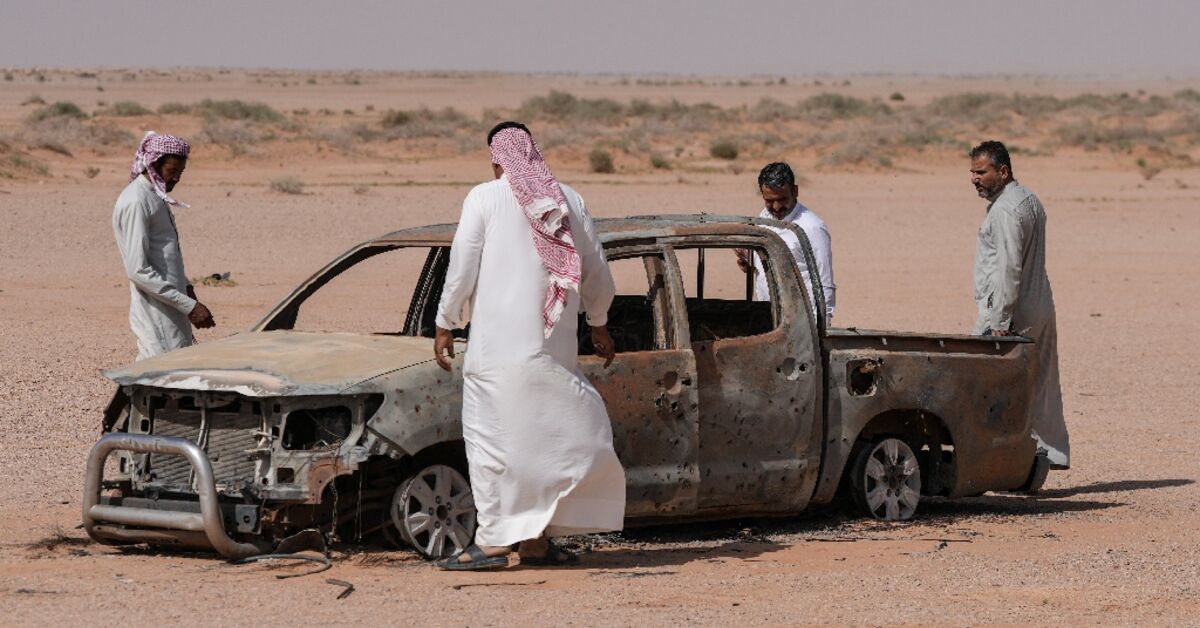
As the conflict intensified with the initial assaults beginning on February 28, reports emerged of foreign military personnel operating in the Najaf desert, located in southwestern Iraq. Eyewitness accounts indicate that a shepherd was fatally injured when a helicopter fired upon his vehicle after he first reported the presence of these troops. Iraqi authorities have acknowledged the existence of unidentified forces in the Najaf desert for approximately 48 hours but have refrained from confirming their identity.
Iraqi security sources disclosed to AFP that they believe these forces to be Israeli. According to one official, Israeli troops had established a base on an abandoned airstrip originally constructed during Saddam Hussein’s regime. A report from the Wall Street Journal further corroborates these claims, mentioning a secret Israeli military outpost in the same region, which reportedly housed special forces and operated as a logistical center for the Israeli air force, allegedly with the knowledge and consent of US officials. However, when Iraqi authorities inquired with the United States regarding the troops’ identity, they were met with denials.
Encounters in the Desert
The situation escalated during the initial week of fighting, when reports surfaced about the aforementioned shepherd who inadvertently encountered the military activity while trying to sell sheep and procure supplies. Witnesses recounted that he was caught off-guard by the foreign forces and subsequently killed when a helicopter targeted his pickup truck. Reports detail a grave at the scene bearing a name and date, indicating a burial that took place in the holy city of Karbala, raising questions about the nature and identity of the forces involved in the attack.
On March 5, Qais al-Mohamadawi, Iraq’s deputy commander of joint operations, revealed to state media that Iraq had lodged protests with the US-led coalition regarding an air raid in Najaf. After receiving reports of military movement, the Iraqi military dispatched a unit for investigation. This unit came under intense aerial fire, resulting in one soldier’s death and injuries to two others. Al-Mohamadawi characterized the situation as two forces operation in tandem, with one providing support to another engaged in reconnaissance or equipment setup.
Iraqi Response and Ongoing Speculation
Despite rising speculations and international media coverage, Iraqi authorities remain tight-lipped about the identity of the foreign troops. One security official indicated that the government cannot publicly declare the presence of Israeli forces, as direct engagement was avoided. He acknowledged, however, that there are sensitive issues that remain unaddressed openly.
On May 11, the Iraqi military claimed to have conducted extensive searches of the desert and border areas, asserting that there were no unauthorized forces or bases present. They cautioned against misinformation that could jeopardize Iraq’s reputation. While the Israeli military has not commented on the allegations, speculation continues to circulate about potential Israeli presence in Nineveh province, prompting military inspections in that area as well.
In conclusion, the involvement of foreign military forces in Iraq amidst the current geopolitical crisis remains a contentious issue. As rumors continue to swirl, the Iraqi government’s handling of the situation and its efforts to maintain sovereignty and security are under intense scrutiny from both the international community and local observers.