
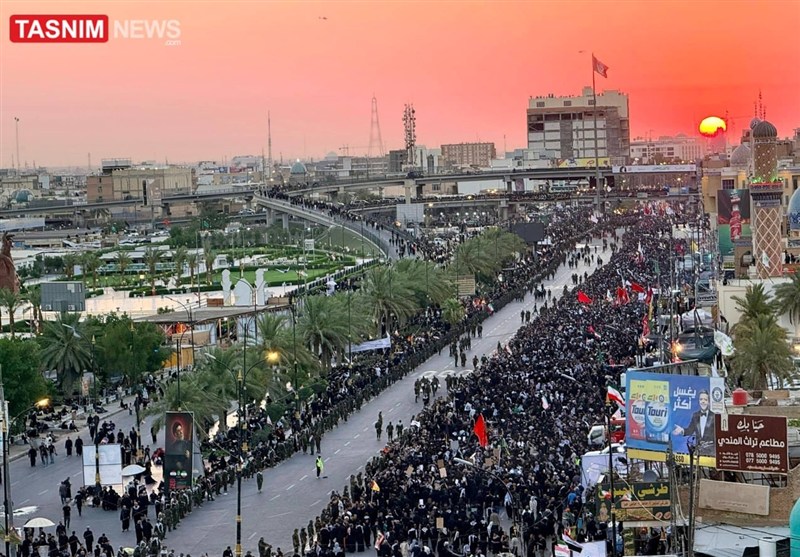
The recent funeral of the revered Leader of the Islamic Revolution, Ayatollah Seyed Ali Khamenei, has drawn significant attention and respect in both Iran and Iraq. With a profound legacy, his passing has united officials and citizens in a moment of collective mourning and reverence.
Gathering of Officials in Najaf
On Wednesday, the holy city of Najaf became the epicenter for an official reception ceremony dedicated to Ayatollah Khamenei. Leading figures from both Iran and Iraq attended, highlighting the deep-seated bonds between the two nations. This gathering underscored Khamenei’s influence and the respect he garnered across borders. The officials’ presence emphasized the importance of his legacy and the impact he had on the region, as well as the collective grief over his passing.
A Massive Public Funeral Procession
Following the official ceremony, a grand public funeral procession was planned, marking the significance of Ayatollah Khamenei’s contributions as a spiritual and political leader. Thousands of mourners from various backgrounds joined the procession, showcasing the deep-rooted connections his leadership fostered within the communities he impacted. This moment of solidarity and remembrance was not just about mourning a leader, but also about celebrating a pivotal chapter in the history of Islamic governance.
The Legacy of Ayatollah Khamenei
Ayatollah Khamenei’s influence extended beyond Iran, permeating various aspects of politics, culture, and religion throughout the region. He championed a vision that resonated with many, advocating for principles that aligned with his interpretation of Islamic values. His legacy is etched in the hearts of those who admired his dedication to social justice and resistance against external pressures. This multifaceted leadership played a crucial role in shaping contemporary Islamic thought and practice, leaving an indelible mark on history.
Significance of the Ceremony
The funeral ceremony serves as a pivotal moment, reflecting not only on Ayatollah Khamenei’s life but also on the enduring relationships fostered between Iran and Iraq. The occasion presented an opportunity for reflection on how Khamenei’s teachings and leadership will continue to resonate with future generations. The ceremony invited attendees to recognize the path forward, underlining the enduring values that can be drawn from his experiences and principles.
In conclusion, the funeral of Ayatollah Seyed Ali Khamenei has become a significant event that transcends borders, evoking feelings of unity and shared purpose among those who gathered to pay their respects. As the region moves forward, his teachings and leadership will continue to influence the ongoing dialogue surrounding faith, governance, and social justice.