
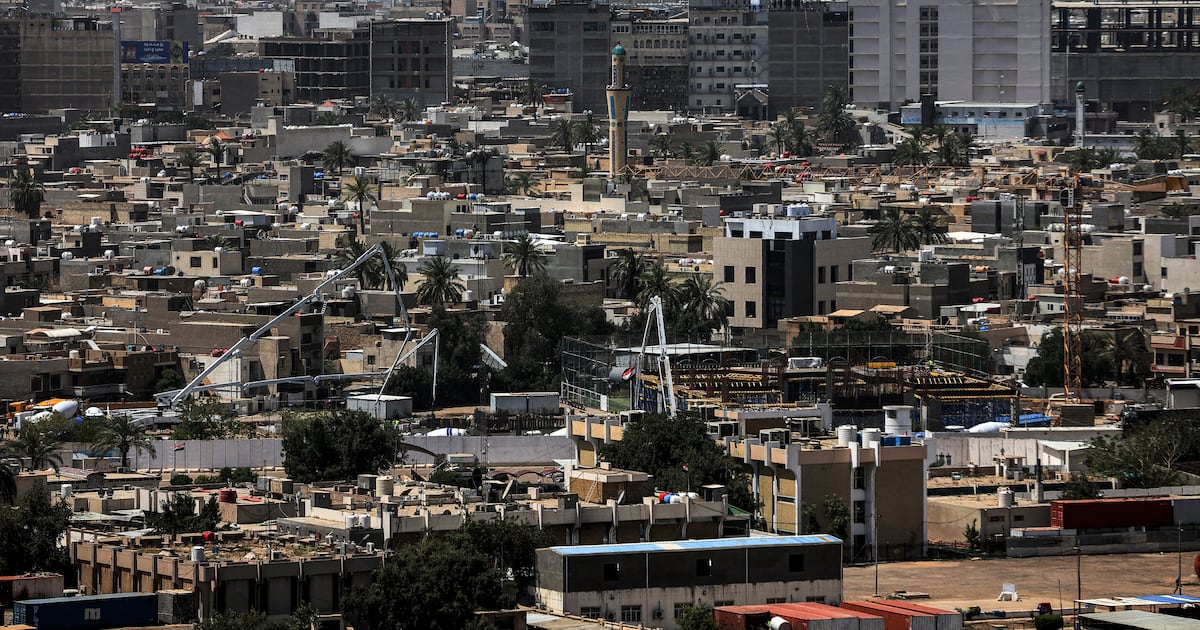
In recent events highlighting the ongoing housing crisis in Iraq, the tragic assassination of police commander Brig Gen Hisham Talla underscores the severe consequences tied to illegal land encroachment and the desperation surrounding housing shortages in Baghdad. The incident, which occurred during an attempted raid on illegal dwellings in the Karara area of Dora, sheds light on the complex interplay of authority, corruption, and safety in the region.
The Context of the Shooting
Just before being fatally shot, Brig Gen Talla attempted to persuade a resident to vacate premises linked to an illegal settlement. Video footage shows that as he announces an arrest warrant, a confrontation ensues, culminating in a violent escalation. Tragically, Talla lost his life, marking a brutal reminder of the challenges faced by law enforcement in tackling illegal settlements. This raid was not an isolated incident; rather, it reflects a broader societal issue rooted in the dire housing conditions that have evolved since the fallout of the 2003 US-led invasion.
The incident sparked public outrage, dragging to the forefront the persistent problem of unlawful land occupation. The property market in Iraq, long dominated by politically-connected land mafias, has made it difficult for the state to manage illegal settlements coherently. By 2022, the Iraqi government had registered nearly 4,700 illegal settlements, with over 1,000 located in Baghdad alone. These encroachments have rendered more than 600,000 housing units informal, affecting millions of residents.
The Housing Crisis
The housing crisis in Iraq is exacerbated by a heavy influx of people migrating from rural areas to cities in search of better opportunities. The population has grown substantially from 25 million in 2003 to projected figures surpassing 50 million by 2030. Unfortunately, the government has failed to provide enough housing developments to meet the skyrocketing demand, which currently necessitates upwards of 216,000 new homes annually. This significant shortfall has led many to seek refuge in informal settlements, often at the mercy of corrupt practices by powerful political entities.
Many government-authorized plots intended for military personnel and state employees have been seized by squatters or resold using counterfeited documents. Failing to enforce land laws appears to stem from a cycle of political patronage where supporting illegal occupancy is often cheaper than investing in long-term housing solutions. Multiple attempts to demolish these settlements typically stall, stymied by the influences wielded by entrenched political powerhouses.
The Role of Corruption
Corruption has systematically undermined the efficacy of local governance in Baghdad. The combination of neglect and cronyism created an environment where illegal land acquisition has flourished. This has led to a stark division between the laws on paper and their enforcement on the ground. Petty bribes and political favors transform illegal land claims into a convoluted maze where would-be homeowners find themselves ensnared in a web of deception.
Despite the persistent failure of previous administrations to address these issues effectively, the current government has made housing initiatives a priority. Proposals include distributing free land plots to alleviate pressure and launching low-cost housing projects to curb exponential demand. Yet systemic corruption, coupled with the ongoing rise in property values, places immense strain on the average Iraqi family, pushing them toward unlawful alternatives.
As Iraq grapples with these mounting housing challenges, the consequences of inaction are becoming increasingly apparent. Illegal encroachments violate not just property lines but the social fabric of communities, leading to violent confrontations between residents and authorities. Addressing these challenges requires comprehensive strategies focused on legal accountability, equitable housing solutions, and an unwavering commitment to restoring public trust in government institutions.