
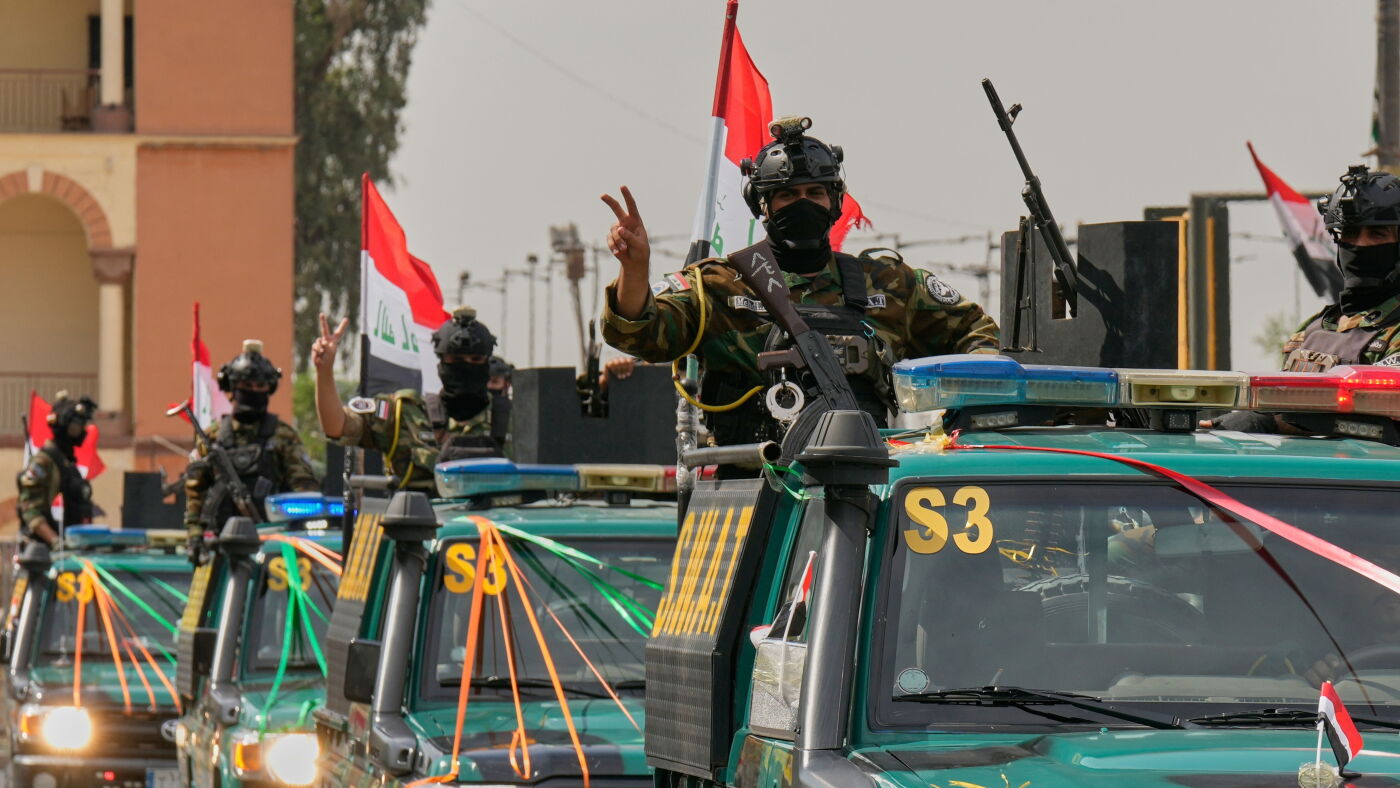
The withdrawal of American troops from Iraq marks a significant chapter in the country’s tumultuous history, concluding a military presence that has been notable for over three decades. The recent formal exit ceremony reflected both solemnity and complexity, as it symbolizes an era initiated long ago during the “shock and awe” campaign of President George W. Bush. This pivotal moment is laden with implications not just for Iraq but also for regional stability and U.S. foreign policy.
The End of a Prolonged Military Engagement
U.S. forces celebrated their departure with a low-key ceremony, indicating both a sense of closure and the weight of what has transpired since the initial invasion. Over the past 23 years, millions of lives have been affected, creating ripples that extend far beyond Iraq’s borders. From the chaos following the invasion to the subsequent rise and fall of various factions, the landscape has been fraught with challenges and upheaval. As American troops return home, they leave behind a nation still grappling with complex political dynamics and ongoing security issues.
The Current Landscape in Iraq
Iraq stands at a crossroads, facing an uncertain path filled with numerous challenges. The departure of U.S. military personnel may provide a semblance of independence, prompting calls for Iraq to chart its own course. Nonetheless, the power vacuum left by the withdrawal raises concerns regarding extremist groups and localized violence. Without the support and oversight of U.S. forces, Iraq may struggle to maintain stability in a region fraught with sectarian conflict.
In these crucial moments, the efforts of Iraqi security forces become even more paramount. With an increased focus on domestic capabilities, the government aims to strengthen its military and police forces to tackle the persistent threats posed by insurgent groups. As the nation navigates this precarious environment, the success of these initiatives will become critical to the country’s future.
What Lies Ahead for U.S.-Iraq Relations?
Looking forward, the relationship between the U.S. and Iraq will undoubtedly evolve. The emphasis will likely shift from a direct military presence to diplomatic engagements and economic partnerships. As both nations assess the implications of the withdrawal, there is potential for collaboration in areas such as trade, education, and counter-terrorism efforts. However, this transition will require careful navigation to ensure mutual interests are preserved and progress is achieved.
Additionally, the U.S. will need to remain closely attuned to developments within Iraq. Political stability and economic progress are essential, not only for the well-being of the Iraqi people but also for regional security. Therefore, fostering a trusting and cooperative relationship will be essential as both nations adapt to their new roles in a changing geopolitical landscape.
In conclusion, the departure of U.S. forces from Iraq signals not just the end of a military mission, but a new chapter for Iraq itself. As the country navigates its uncertain future, the focus shifts toward enhancing internal stability and exploring fruitful partnerships with the U.S. The journey ahead will undoubtedly be complex, demanding resilience, commitment, and collaboration on multiple fronts to foster a brighter future for Iraq.