
In Iraq, pro-Iranian militia groups are escalating their demands against Prime Minister Ali Falih al-Zaidi’s government, primarily over the continued restrictions on Iranian airlines. These measures are in compliance with sanctions imposed by the U.S. Treasury Department, which has placed Iraq in a difficult position.
Escalating Tensions and Protests
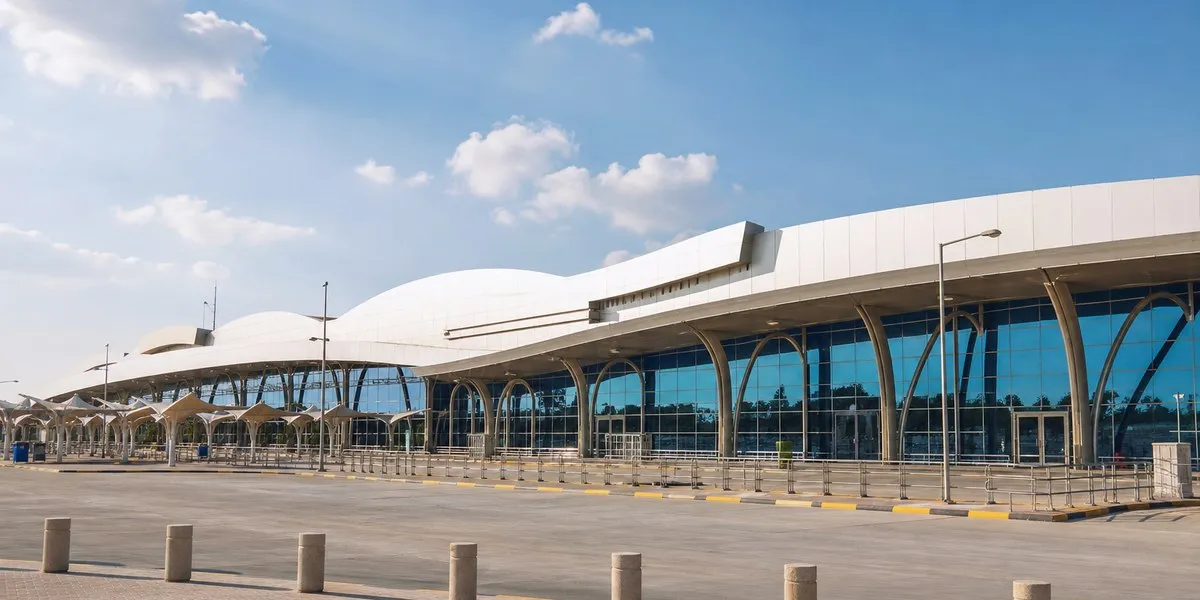
On a recent Monday, a large crowd of supporters of various pro-Iranian factions gathered near Najaf Airport to voice their discontent regarding the ban on Iranian carriers. Security official Abu Mujahid al-Assaf from Kataib Hezbollah issued a stark warning, asserting that the Iraqi government risked being ousted if the ban on Iranian flights was not lifted. He went further to suggest that, should the restrictions continue beyond October 1, Iraq might consider closing its borders with countries involved in what he termed a blockade against Iran.
Political analysts like Firas Ilyas from the University of Mosul emphasize that the pressures facing the Iraqi government go beyond merely air traffic regulations. They reflect a broader struggle over governmental authority, gun control, and the enduring influence of Tehran in Iraq’s political landscape. This ongoing friction illustrates the complexities of Iraqi governance amid external pressures and internal dissent.
U.S. Involvement and Licensing
In response to ongoing tensions, Iraqi government spokesperson Haider al-Abboudi clarified that the ban on Iranian aviation was not a decision made exclusively by Baghdad. He explained that the operational framework of Iraqi airports adheres to an international protocol that includes various service providers. Many of these companies have ceased operations with Iranian airlines due to fears of U.S. sanctions.
On Tuesday, the U.S. Treasury Department issued a special permit that allows Iraqi Airways to conduct essential operations for passenger flights between Iraq and Iran using Najaf Airport. This temporary authorization is valid until the designated operations conclude or until October 28, 2026. The conditions stipulate that flights should exclusively depart from and return to Najaf, and only Iranian passengers traveling for religious purposes are allowed to board. Significant cash transfers or supplies intended for Iranian military or intelligence use are strictly prohibited under this license.
Following this U.S. directive, Iraq’s Ministry of Transport announced that Iraqi Airways would resume flights to Iran starting in October through Najaf Airport, while the prohibition on Iranian airlines will remain intact. This intricate web of regulations highlights the challenge Iraq faces as it navigates between enforcing U.S. sanctions and maintaining its relations with Iran.
The situation exemplifies a delicate balancing act for the Iraqi leadership, which must contend with both external pressures from the U.S. and internal influences from powerful militia groups loyal to Tehran. As the deadline for restrictions looms, the coming weeks will likely prove pivotal for Iraq’s political stability and its diplomatic maneuvers in the volatile landscape of Middle Eastern geopolitics.