
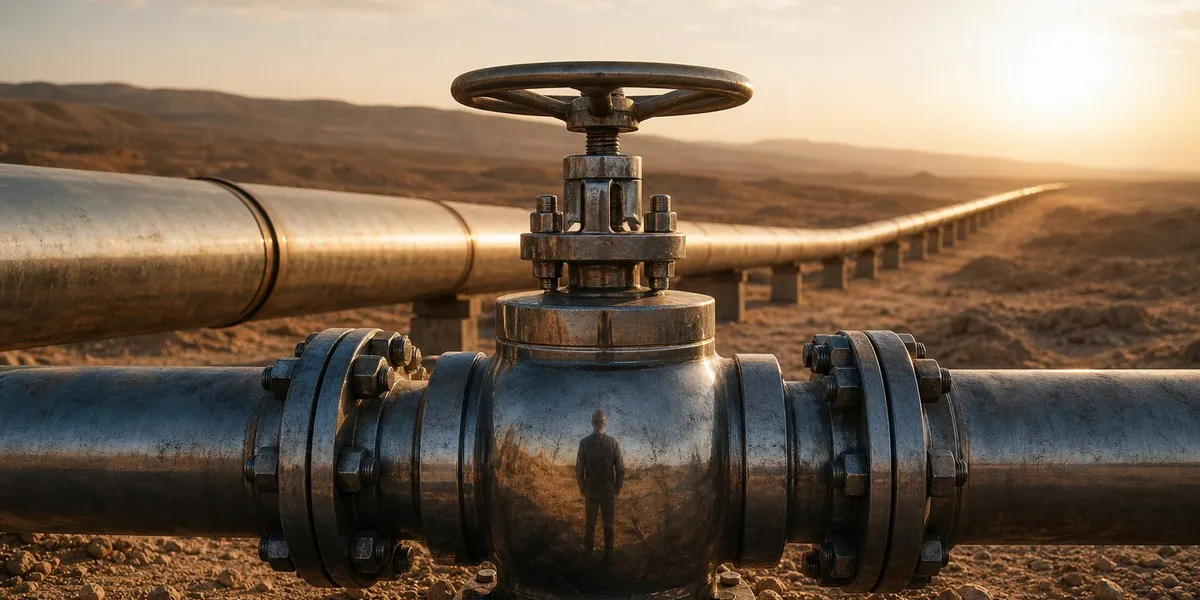
Thomas Barrack, the U.S. special envoy for Iraq and Syria, is reportedly seeking collaboration with TI Capital, a California-based investment firm, to rehabilitate the Kirkuk-Baniyas oil pipeline. This project aims to establish a route for oil shipments between Iraq and Syria. Barrack’s connections run deep; he is associated with Ziad Ghandour, the head of TI Capital, a firm that has suddenly gained prominence in these plans.
Recent Agreements Involving TI Capital
In July, Iraq and Syria formalized agreements with a consortium that includes TI Capital, Chevron, and Qatar’s UCC Holding. This coalition aims to perform essential technical and financial assessments to ready the pipeline for restoration, which would facilitate oil deliveries without passing through the strategically significant Strait of Hormuz. Given the region’s geopolitical complexities, this project holds substantial implications for energy security.
Interestingly, just a month prior to these agreements, Barrack and Iraqi Prime Minister Ali al-Zaidi released a joint statement that expressed enthusiasm for moving forward with a memorandum with TI Capital pertaining to the Kirkuk-Baniyas pipeline. Notably, Chevron and UCC Holding were absent from this announcement, leading to questions about the nature of their involvement and the focus of Barrack’s diplomatic efforts.
Financial Interests and Ethical Considerations
Barrack also holds a stake in ACD-TI Oakley Investment LLC, a residential project near San Francisco managed by TI Capital. According to a financial disclosure made in March 2025, he stands to benefit financially if the company achieves a specific income threshold, potentially allowing him to take home up to 20% of profits. However, it’s vital to note that there were no indications that Barrack would profit directly from the pipeline project or any related ventures.
Ethics experts have weighed in on Barrack’s involvement, suggesting that his existing relationship with TI Capital may not legally constitute a conflict of interest if he does not gain any direct financial benefit from the pipeline’s restoration. However, Richard Painter, a former chief ethics lawyer for the White House, described such lobbying efforts as a significant concern regarding government officials’ impartiality. He asserts that a connection with a business partner in a significant project often necessitates recusal, regardless of direct financial stakes.
In response to concerns regarding potential conflicts of interest, records indicate that Barrack did not seek a waiver from the U.S. Office of Government Ethics. The State Department has stated that Barrack has neither a financial stake in nor an official role related to the pipeline project, maintaining that his public comments align with established U.S. policies on regional energy integration.
The Future of the Kirkuk-Baniyas Pipeline
Historically, the Kirkuk-Baniyas pipeline has played a crucial role in transporting Iraqi oil to the Mediterranean for decades but has remained inactive since the 2003 U.S. invasion of Iraq. The financial implications of restoring this pipeline are noteworthy; estimates suggest it could cost around $15 billion and may require up to four years of construction to bring it back online. As discussions surrounding this venture evolve, the geopolitical and economic stakes remain high, as the project promises to reshape energy flows in this strategically critical region.