
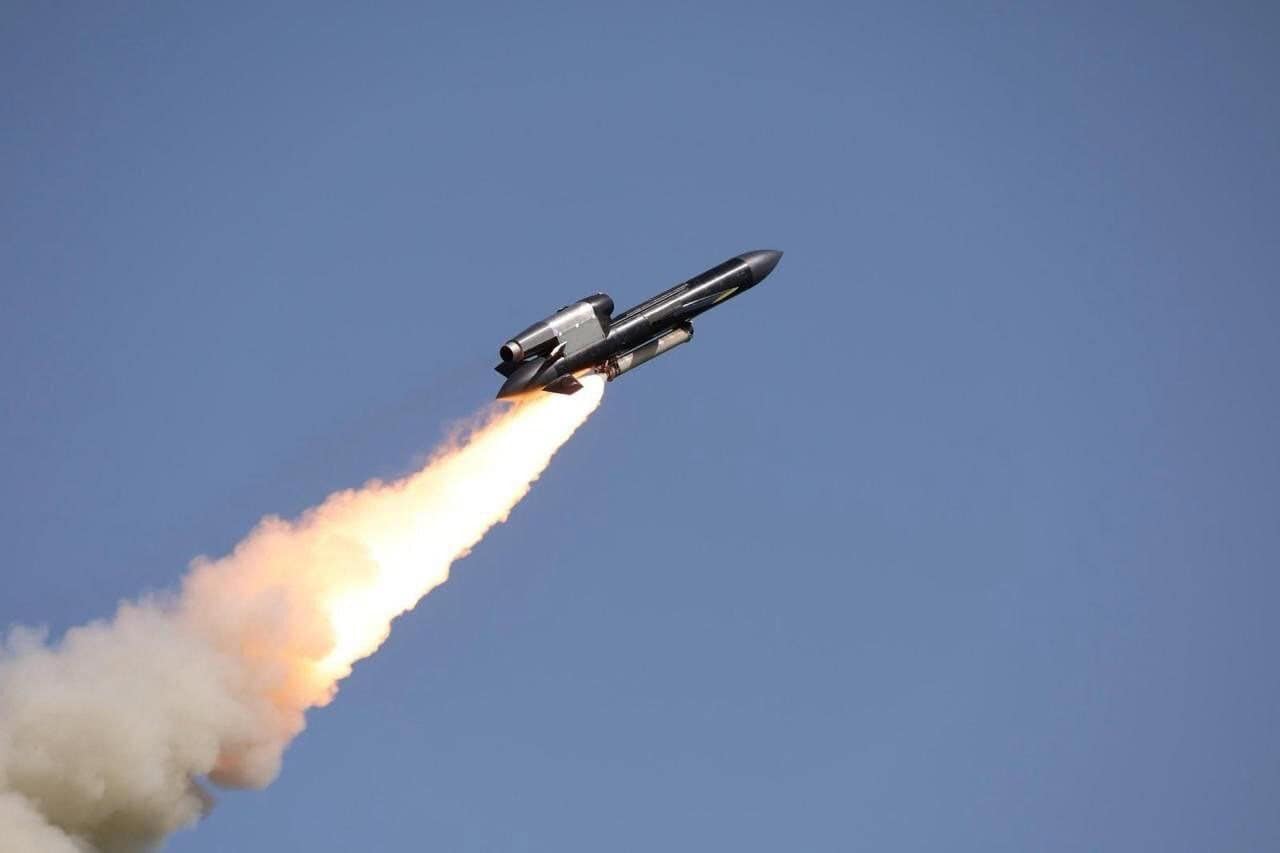
The ongoing conflict between Russia and Ukraine is escalating into a more entrenched battle resembling the “War of Cities” that occurred during the Iran-Iraq War. A source from the Russian military has expressed concerns that the hostilities are shifting towards urban warfare, signaling a potential transformation in tactics and strategies.
Implications of Urban Warfare on the Conflict
As the war progresses, the dynamics are evolving with an increasing focus on urban areas. Urban warfare poses unique challenges and requires specific strategies, which could lead to intensive and prolonged confrontations. The report highlights this shift as both sides might adapt their military tactics to suit city environments, making combat more brutal and chaotic. Urban centers can become battlegrounds where civilian populations are deeply affected, opening avenues for humanitarian crises and increasing casualties.
Historical Context of the “War of Cities”
The “War of Cities” refers to the brutal urban combat experienced during the Iran-Iraq War from 1980 to 1988, known for its heavy toll on civilian life and infrastructure. Cities became focal points for military objectives, and the resulting devastation created humanitarian emergencies. Drawing parallels to this historical context, experts suggest that the fighting in Ukraine could increasingly reflect similar urban strategies as both Russian and Ukrainian forces grapple for control over major cities.
Strategic Considerations for Both Sides
For Russia, the move towards urban warfare may signal a shift in their approach as they seek new strategies to overcome Ukrainian resistance. On the Ukrainian side, the defense of urban areas will likely necessitate innovative tactics and increased reliance on defensive operations to counteract the amplified threats that come with close-quarters combat. As cities become epicenters of conflict, both militaries will need to adapt to the complexities of urban terrain, leading to modified training and resource allocation.
Humanitarian Concerns and International Implications
The prospect of urban warfare raises grave humanitarian concerns, including the potential displacement of civilians and infrastructure destruction. Humanitarian organizations may find it increasingly difficult to operate within conflict zones, complicating efforts to provide assistance. As casualties mount and the humanitarian crisis deepens, the international community will be called upon to address these urgent issues. The global implications of shifting to urban combat may also lead to increased scrutiny and condemnation from other nations, influencing geopolitical relations and responses to the ongoing war.
In conclusion, as the conflict continues to unfold, the shift towards urban warfare could dramatically influence the trajectory of the Russia-Ukraine war. Understanding the historical precedents, strategic implications, and humanitarian concerns associated with urban combat will be crucial for both military observers and policymakers as they navigate this complex landscape.