
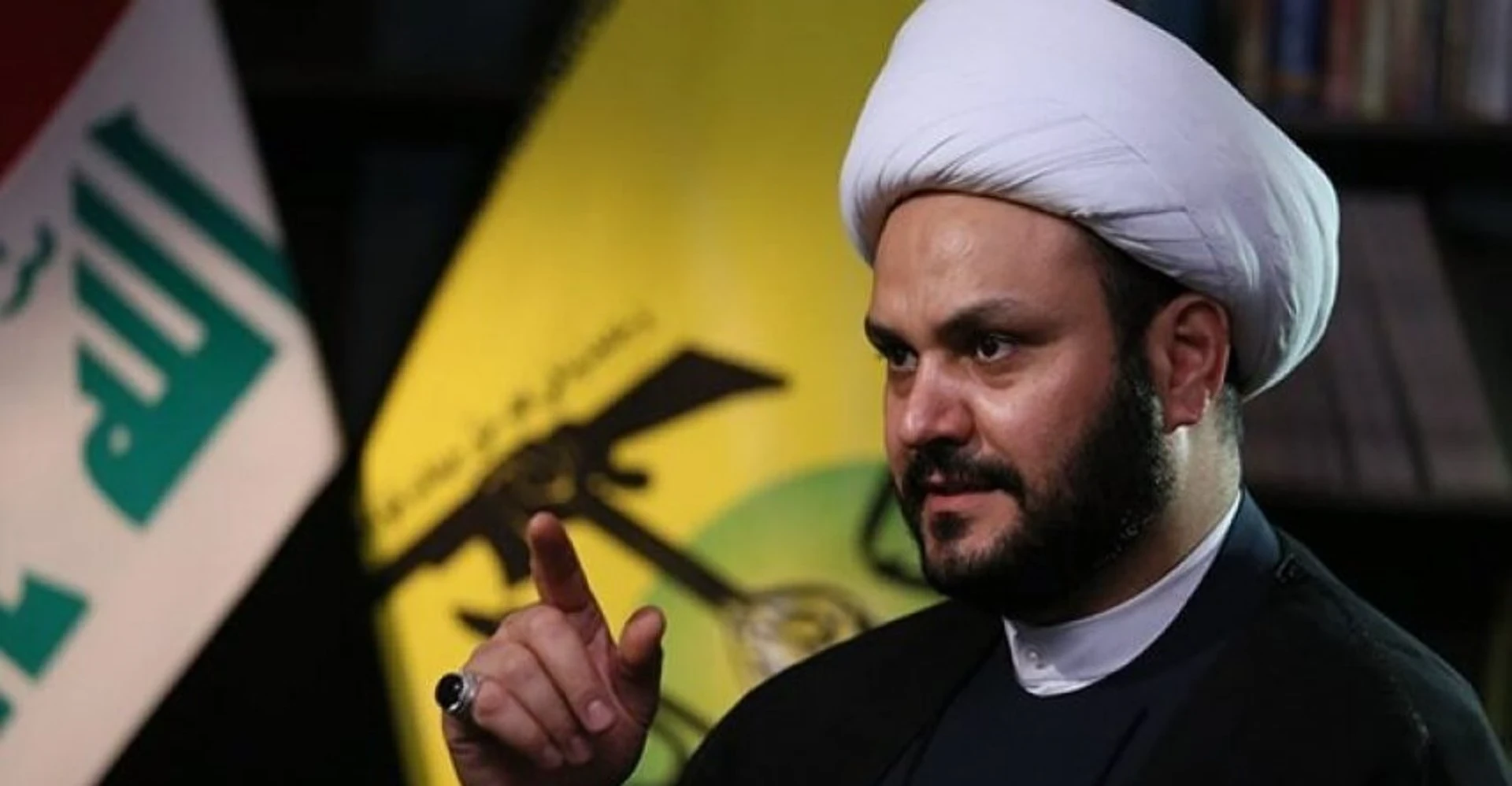
Akram Al-Kaabi, the head of the Iranian-aligned Iraqi militia Harakat Al-Nujaba, recently issued a stern warning regarding the ongoing air traffic disruptions between Iraq and Iran. He has threatened to initiate sit-ins at Iraqi airports unless regular flights with Iran are restored. Al-Kaabi attributed the halt in air travel to American influence, claiming that U.S. restrictions were impeding Iraq’s autonomy in aviation matters.
Concerns Over Economic Impact and Religious Access
Al-Kaabi’s statements underscore the serious implications of restricted air travel for both the Iraqi economy and the religious practices of its citizens. He emphasized that the limitations prevent millions from visiting significant religious sites, which are crucial for many Iraqis. “We will not wait long,” he cautioned, calling on Iraqi political leaders to liberate their decisions from U.S. oversight. The situation poses not only a threat to personal pilgrimages but also to economic recovery, which has been sluggish in the aftermath of prolonged regional conflicts.
Suspension of Flights Amid U.S. Pressure
The interruption in air travel was precipitated by ground-handling companies ceasing service between Iraq and Iran, driven by fears of potential U.S. Treasury penalties. As a direct result, airlines suspended operations, significantly impacting transport channels that were vital for both cargo and passenger movement. Najaf International Airport, which has been the last operational airport connecting Iraq with Iran, announced the discontinuation of flights effective early Friday morning, following similar actions taken by Erbil and Al-Sulaymaniyah airports in the Kurdistan Region.
U.S. Sanctions Affecting Regional Travel Dynamics
The disruption in air traffic is part of broader U.S. sanctions against Iran’s aviation sector, which were imposed amidst heightened tensions. On September 8, the U.S. Treasury sanctioned 27 Iranian airlines, warning that foreign entities providing services to these carriers could also face punitive measures. This regulatory pressure has raised concerns over the future of air travel in the region, particularly as Iraqi airlines are now navigating complicated routes dictated by U.S. foreign policy.
Regional Repercussions and Responses
Iranian officials have also voiced their concerns, reinforcing the idea that if Iran’s ability to access air travel is compromised, other regional nations should also be affected. Mohammad Mokhber, an adviser to Iran’s Supreme Leader, stated that aviation should be unrestricted for all, or for none. His remarks reflect Tehran’s position that the current sanctions and restrictions are not only unfair but could provoke broader regional instability in air travel.
The situation remains fluid, and it is unclear how long these disruptions will last. The Iraqi people, including many who rely on air travel for religious purposes and economic opportunities, are now left waiting for a resolution that seems contingent on complex geopolitical negotiations.