
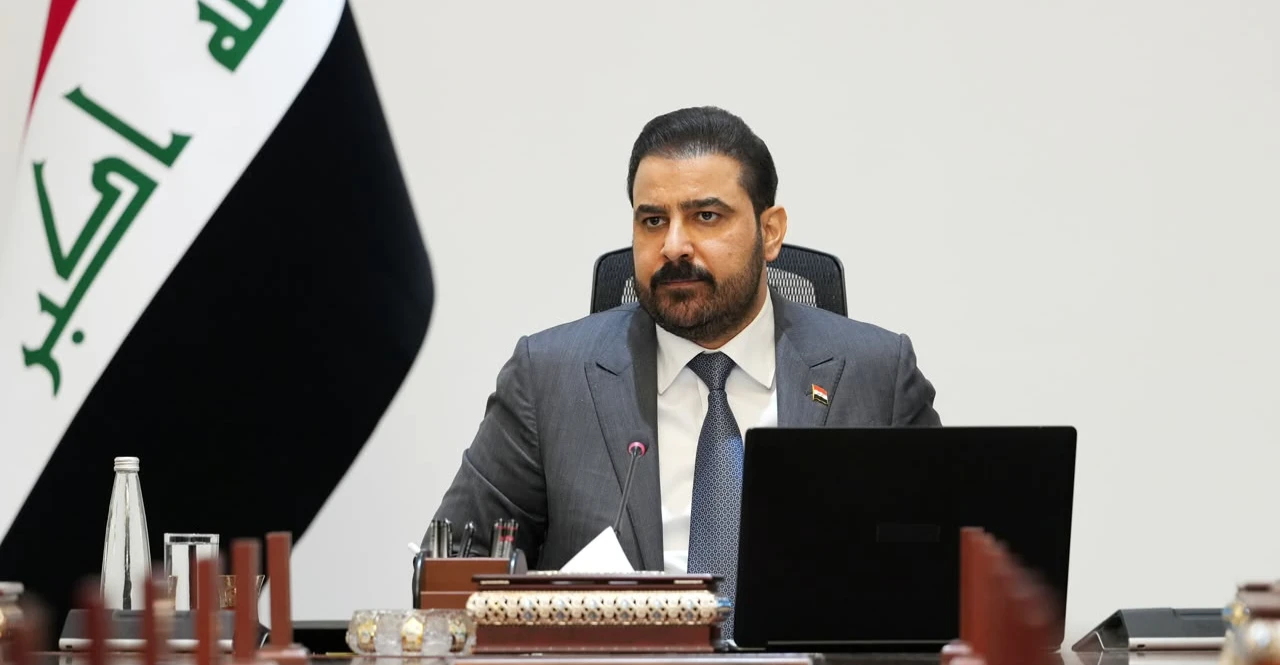
Iraqi Prime Minister Ali Al-Zaidi has taken a significant step in controlling the flow of information from his government by instituting a new directive. This order mandates that all government officials and advisers must obtain approval from his office before making any statements to the press or appearing in media outlets.
Details of the Directive
The directive clearly encompasses all forms of media, including television, radio, and print, with the aim of ensuring that government messaging remains consistent and aligned with official guidelines. According to sources, the goal is to establish a unified communication strategy that accurately reflects the government’s positions on various issues. By implementing this directive, the Prime Minister emphasizes the importance of maintaining a coherent narrative, particularly in a politically sensitive environment.
In the document obtained by various news agencies, it states that non-compliance may lead to disciplinary actions, thereby reinforcing the seriousness of the directive. Al-Zaidi’s administration aims to prevent the dissemination of misleading information that could potentially misrepresent the government’s stance. This measure has sparked discussion about freedom of speech and the extent to which government officials can share their views without institutional constraints.
Implications for Media Freedom
Critics have voiced concerns regarding the implications of this directive for media freedom in Iraq. By requiring pre-approval for statements, there are fears that this could stifle open dialogue and limit the ability of officials to engage with the public transparently. The media landscape in Iraq has long been complex, often characterized by governmental influence and challenges to journalistic independence.
Supporters of the directive argue that it could help eliminate the confusion caused by conflicting statements from various officials, leading to a more streamlined communication process. However, the overarching sentiment leans towards a worry that this directive could lead to a culture of silence rather than one that encourages healthy political discourse.
Public Reaction and Future Outlook
Public response to the directive has been mixed. Some citizens appreciate the effort to maintain a consistent government message, while others express skepticism about its broader implications for democracy and transparency. Social media platforms have become a stage for debate, with many advocating for the rights of public officials and media personnel to freely express their opinions without bureaucratic constraints.
Going forward, it remains to be seen how this directive will impact the relationship between the Iraqi government, its officials, and the media. The effectiveness of this measure will likely depend on how it is enforced and whether it leads to greater clarity in government communication or inadvertently creates an environment of fear among public officials.
In conclusion, while Prime Minister Al-Zaidi aims to foster a unified voice within his administration, the balancing act between governmental control and media freedom raises pressing questions about the future of political discourse in Iraq.