
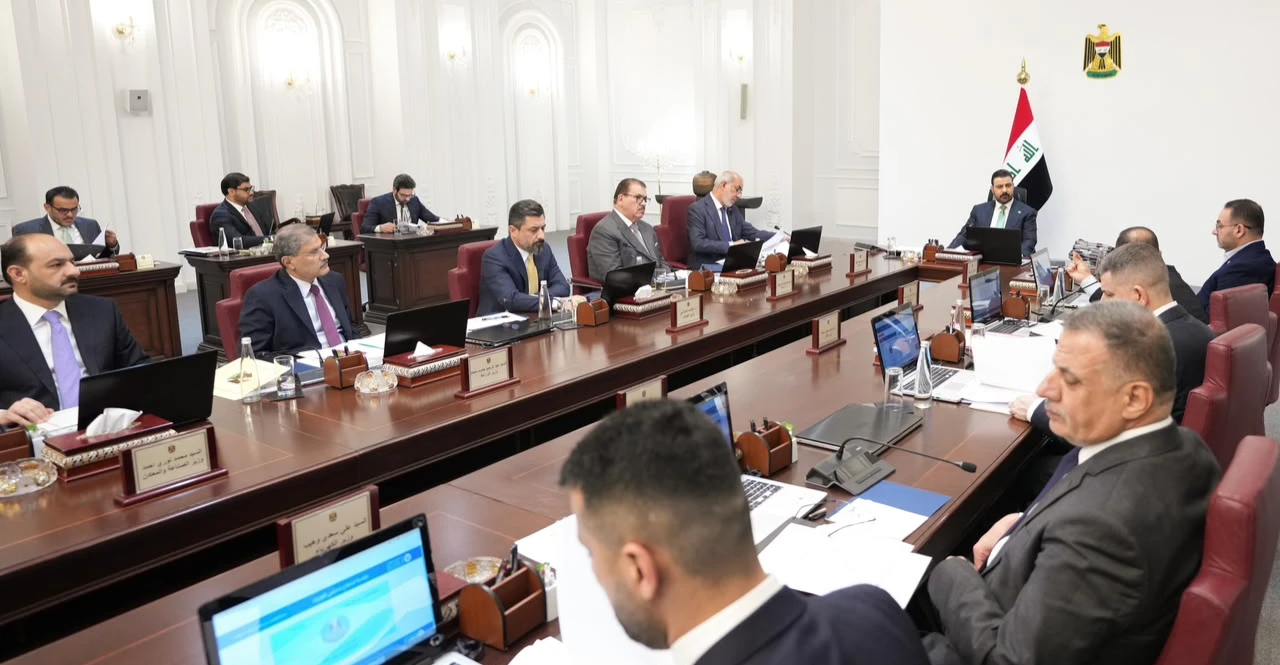
Iraq’s Council of Ministers has recently made significant strides in its economic policy by exempting imported food products and medications from customs duties, starting October 7. This decision, announced by the Prime Minister’s Media Office, aims to alleviate financial burdens on consumers and improve access to essential goods.
Key Decisions Made During Cabinet Session
In a cabinet meeting led by Prime Minister Ali Al-Zaidi, various new measures were discussed and approved. One noteworthy initiative involves the creation of a draft law designed to transfer ownership of land earmarked for housing projects to the Housing Department. This legislative move will soon be presented to parliament, signaling the government’s intent to expedite housing development efforts across the country. Housing projects have been a critical topic in Iraq, as the nation faces a pressing residential crisis.
Additionally, the cabinet amended two prior decisions related to payments for investment projects that are financed through loans and grants. These revisions cover a spectrum of projects, including fully funded initiatives and those governed by various agreements, such as the Iraq-China Framework Agreement. This flexibility in financing aims to enhance the effectiveness of government operations in implementing critical projects, ensuring funds are utilized efficiently.
Impact on the Economy
The latest decision to exempt customs duties is poised to have a notable effect on food prices and general living costs in Iraq. The plan comes in light of ongoing economic challenges, including inflation driven by fluctuating foreign currency rates. Following a recent increase in the dollar exchange rate, which contributed to a reported 15% rise in food prices, these fiscal policies may help stabilize market conditions.
By easing import tariffs on essential goods, the government is also promoting competition in the retail sector, which could lead to better pricing for consumers. Access to affordable food and medications is essential for fostering a healthier, more stable populace, directly contributing to the country’s long-term socio-economic development.
Future Prospects and Legislative Efforts
The government’s commitment to improve housing conditions and streamline investment financing indicates a progressive approach to addressing the needs of the Iraqi populace. As the draft law on land ownership is set for parliamentary debate, stakeholders will be closely monitoring its implications for both the housing market and potential investors looking to engage in significant projects.
Ultimately, these recent cabinet decisions reflect Iraq’s larger goal of enhancing economic resilience and social welfare. Both short and long-term strategies are essential for cultivating an environment conducive to growth, particularly in the face of external economic pressures and domestic challenges.
The wider implications of these initiatives could transcend beyond immediate economic relief, fostering greater investor confidence and setting a foundation for sustainable development in Iraq. By addressing critical issues such as food security and housing accessibility, the government aims to lay the groundwork for a brighter economic future.