
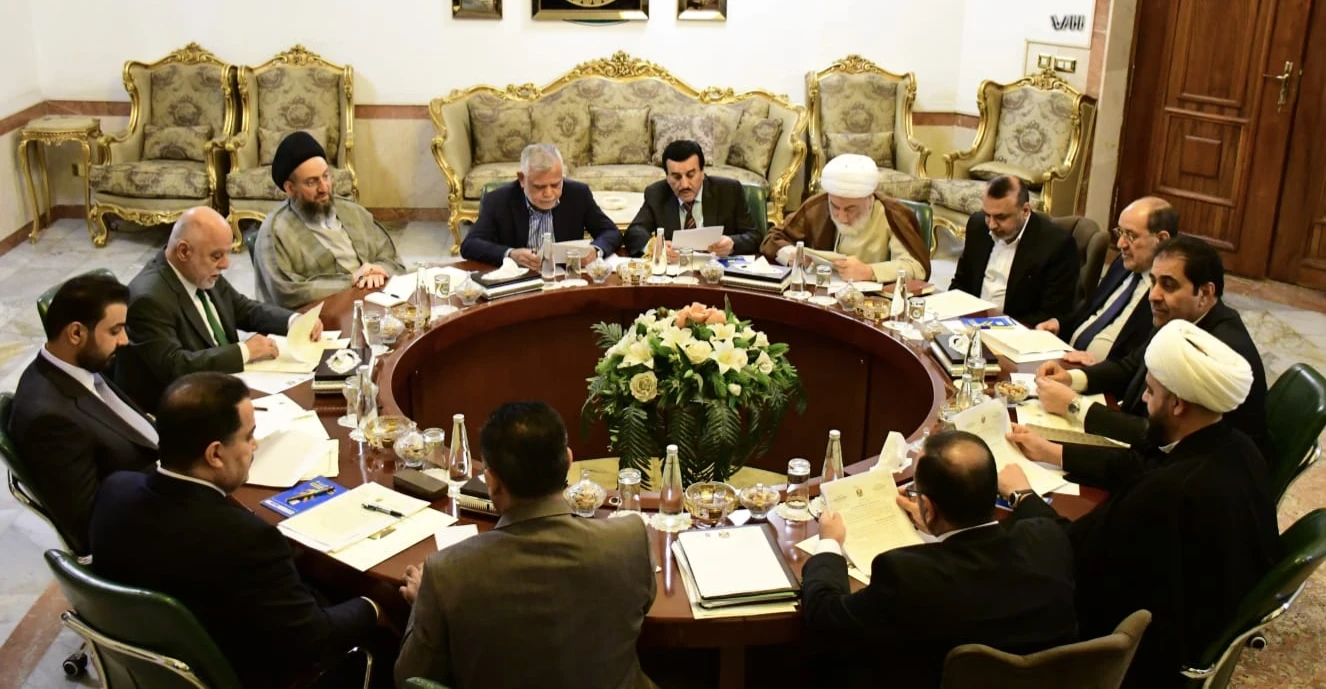
Iraq’s Shiite Coordination Framework (CF), the largest parliamentary coalition, is slated to meet with Prime Minister Ali Al-Zaidi this Sunday evening. The agenda for the discussions involves the suspension of Iranian flights at Iraqi airports and its potential political ramifications. This meeting comes at a critical juncture as many stakeholders question the reasoning behind these restrictions.
### Implications for Iraq-Iran Relations
The discussions will focus on assessing the reasons behind the current flight bans and their effects on the already complex relationship between Baghdad and Tehran. The CF leadership aims to consider how these measures impact various political factions, armed groups, and public sentiment. They will weigh the urgency of maintaining these flight restrictions against the potential need for a diplomatic resolution that respects Iraq’s interests and the effects on its aviation industry.
### U.S. Negotiations and Sanctions
The Iraqi government is actively negotiating with the United States for exemptions from sanctions affecting Iranian airlines. This is crucial for reinstating humanitarian and civil flight operations, as stated in an announcement from Al-Zaidi’s office. Following recent sanctions from the U.S. Treasury, which targeted 36 entities associated with Iran’s aviation sector—including 27 airlines—foreign companies that continue to provide services to these airlines could face severe consequences, including exclusion from the U.S. financial system.
### Immediate Repercussions
A senior Iraqi official disclosed that Baghdad received a direct and urgent warning from the U.S., indicating that Iranian airlines may not be permitted to use Iraqi airports without repercussions. Any entity involved in servicing these airlines could also face penalties. As a direct consequence of these warnings, ground-handling companies have stopped servicing the routes, leading to the suspension of air links between Iraq and Iran. Najaf International Airport, the last airport in Iraq maintaining flights to Iran, ceased operations on Friday, followed closely by Erbil and Al-Sulaymaniyah airports.
### Political Opposition and Threats of Action
The flight suspension has faced substantial opposition from Iran-aligned factions in Iraq. Leaders such as Akram Al-Kaabi, Secretary-General of Harakat Al-Nujaba, have threatened to organize sit-ins at airports unless flight services are restored. They argue that U.S. intervention is undermining Iraq’s sovereignty over its aviation policies. Similarly, Kataib Hezbollah has called upon the Iraqi populace to respond against what they term as a “U.S. siege” on Iran, advocating for increased trade and import of Iranian goods.
### Conclusion: Navigating Turbulent Waters
As this situation continues to evolve, the Iraqi government, the Shiite Coordination Framework, and diplomatic actors must navigate a complex landscape characterized by international sanctions and regional dynamics. The outcome of this meeting could significantly impact Iraq’s political landscape, aviation sector, and its diplomatic relations with both the U.S. and Iran. The stakes are high, and the solutions sought will need to account for numerous internal and external pressures.