
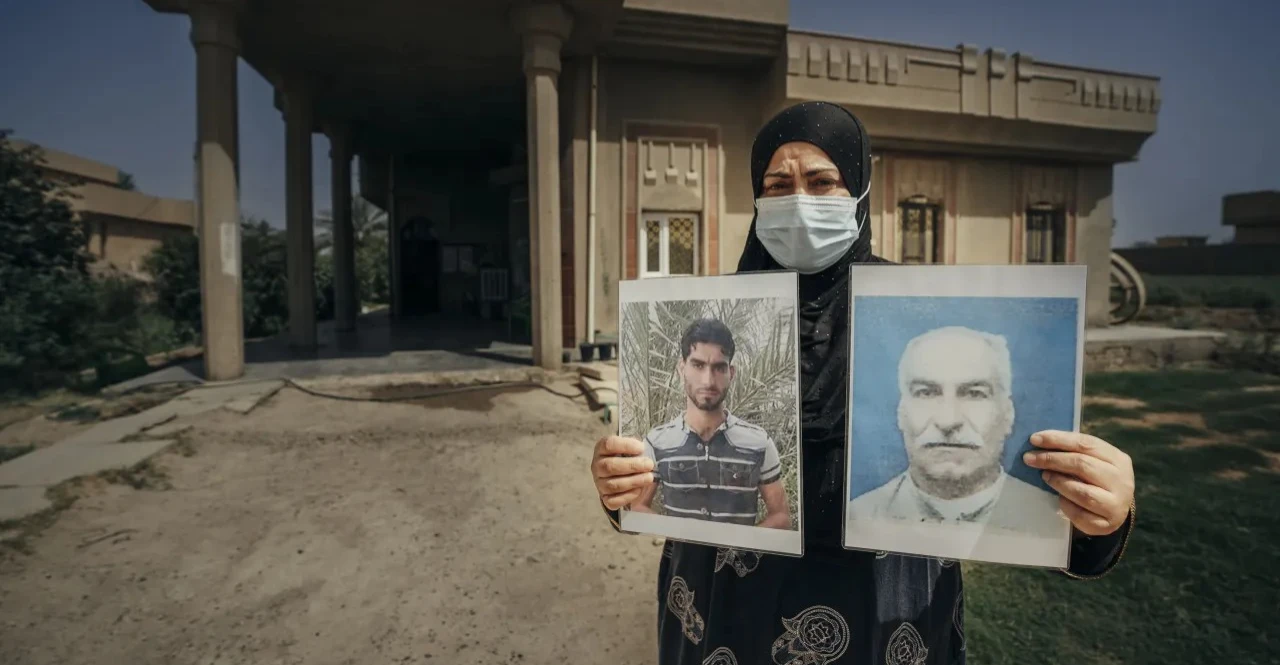
Families of Iraqi soldiers who went missing during the Iran-Iraq War in the 1980s are calling on the government to reveal the fate of their loved ones. After years of uncertainty, these families are seeking closure and urging authorities to reignite discussions with Tehran regarding the missing soldiers.
Persistent Appeals for Answers
Afbeen Kakayi, whose father is among the long-missing soldiers, has made a heartfelt appeal for justice. She emphasizes that families have “evidence and proof confirming that they are still alive,” igniting renewed hope that their pleas will prompt serious government action. The families are not just seeking acknowledgment but are demanding that the case be reopened to facilitate answers about what really happened to the soldiers.
Kakayi has also reached out to political and humanitarian organizations for support, specifically mentioning Ammar al-Hakim, the head of the Al-Hikma Movement. Following his recent visit to Kirkuk, she urges such leaders to assist in providing the answers the families have long sought. “Knowing what happened to our relatives is a basic human right,” she stressed, highlighting the emotional toll this mystery has taken on families for decades.
The Legacy of the Iran-Iraq War
The Iran-Iraq War, often referred to as the First Gulf War, was a devastating conflict that resulted in an estimated one million fatalities on both sides, according to unverified statistics. The war left deep scars, with countless military personnel unaccounted for even today. Families are desperate for news, as many soldiers’ names have never appeared on prisoner-of-war lists, nor have their remains been discovered.
Despite the painful history, there are moments of hope for these families. Occasionally, the remains of soldiers are identified, often surfacing due to erosion or flooding. Some families have been able to confirm identities through military identification documents or personal belongings found alongside the remains. Each discovery fuels the hope that other missing individuals might eventually be found and returned to their families.
Seeking Resolution After Decades
As these families continue their battle for answers, the emotional burden remains heavy. The unresolved status of their loved ones not only represents a personal tragedy but also serves as a painful symbol of a national conflict that has left deep divisions within Iraqi society. The quest for closure extends beyond just families; it touches upon broader issues of accountability and remembrance in the wake of such monumental loss.
In conclusion, the calls for justice from the families of missing Iraqi soldiers are a poignant reminder of the human cost of war. They demand acknowledgment, advocacy, and, above all, answers that have eluded them for far too long. This ongoing struggle serves as a critical chapter in Iraq’s complicated post-war narrative.