
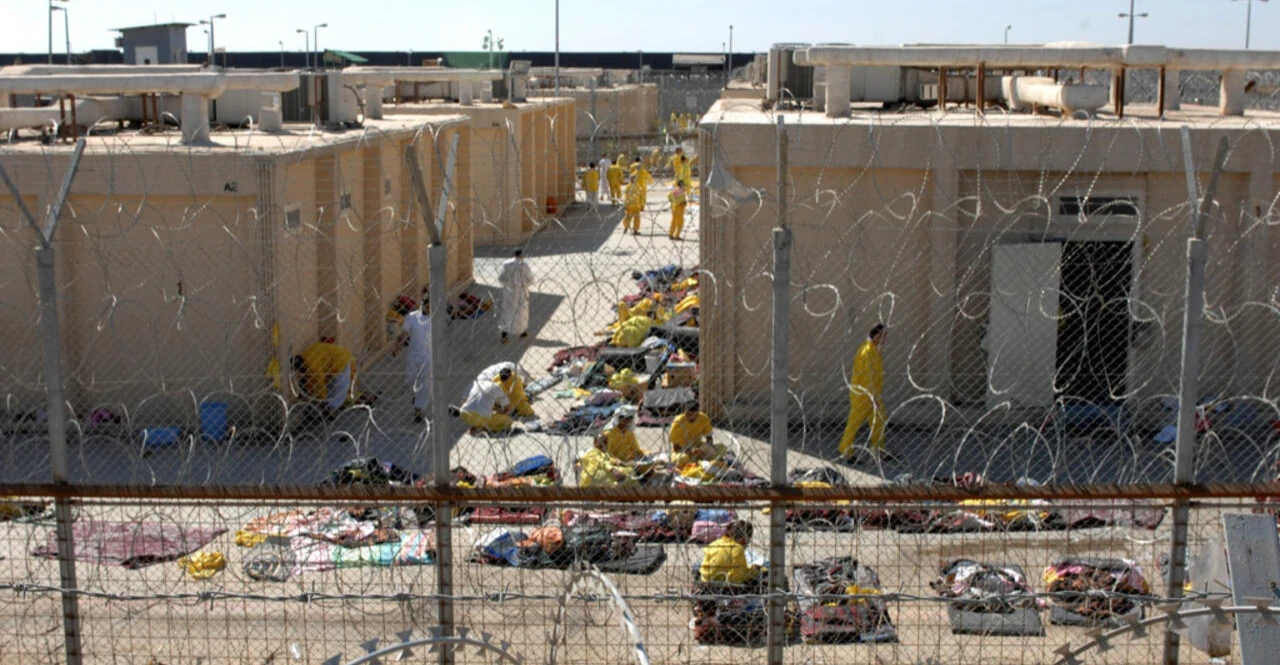
Iran is preparing to repatriate a group of its nationals who have been held in Iraqi prisons. This move reflects ongoing diplomatic agreements and arrangements between Tehran and Baghdad regarding prisoner exchanges. With a scheduled transfer on September 20, this operation highlights the complexities of international relations in the region.
Details of the Repatriation
According to Mojtaba Shasti Karimi, the Director-General of Consular Affairs at Iran’s Foreign Ministry, a total of 159 Iranian citizens will be brought back home to serve the remainder of their sentences in Iranian facilities. The transfer will occur at the Shalamcheh land border crossing, where the individuals will be processed before being placed in local prisons. This anticipated repatriation follows the successful return of 48 Iranian inmates who crossed back into Iran through the Mehran crossing just days prior. However, the Iranian Justice Ministry reported that the number of returned individuals was actually 49, which included four women who had been incarcerated in Iraq.
Reasons for Imprisonment
The detainees primarily faced charges linked to drug offenses and possession of prohibited substances. Many had unknowingly carried packages for others, landing them in legal trouble abroad. This situation sheds light on the broader issue of drug trafficking in the region, particularly emphasizing the consequences faced by individuals who may not be fully aware of the implications of their actions.
Ongoing Diplomatic Relations
The repatriations are part of a larger strategy formulated under a bilateral agreement established in 2014, which outlines the processes for transferring convicted citizens back to their home countries. Iran and Iraq have engaged in several such exchanges over the years, aiming to assist their nationals in serving prison sentences closer to home. The most recent transfer occurred on March 29, 2026, when another group of 43 Iranians returned to their homeland from Iraqi custody.
The Impact of Repatriations
These repatriations serve not only to bring individuals back to their country but also signal a commitment to humanitarian cooperation between Iran and Iraq. By facilitating the return of nationals, both governments demonstrate a willingness to address the complex issues of crime and justice across borders. This collaboration helps to foster goodwill and may contribute to peaceful relations between the neighboring countries.
In summary, Iran’s planned repatriation of nationals from Iraqi prisons underscores the ongoing efforts to maintain diplomatic channels between the two nations. With the complexities of international law and individual circumstances at play, such developments will likely continue to shape the dialogue around prisoner exchanges and regional cooperation.