
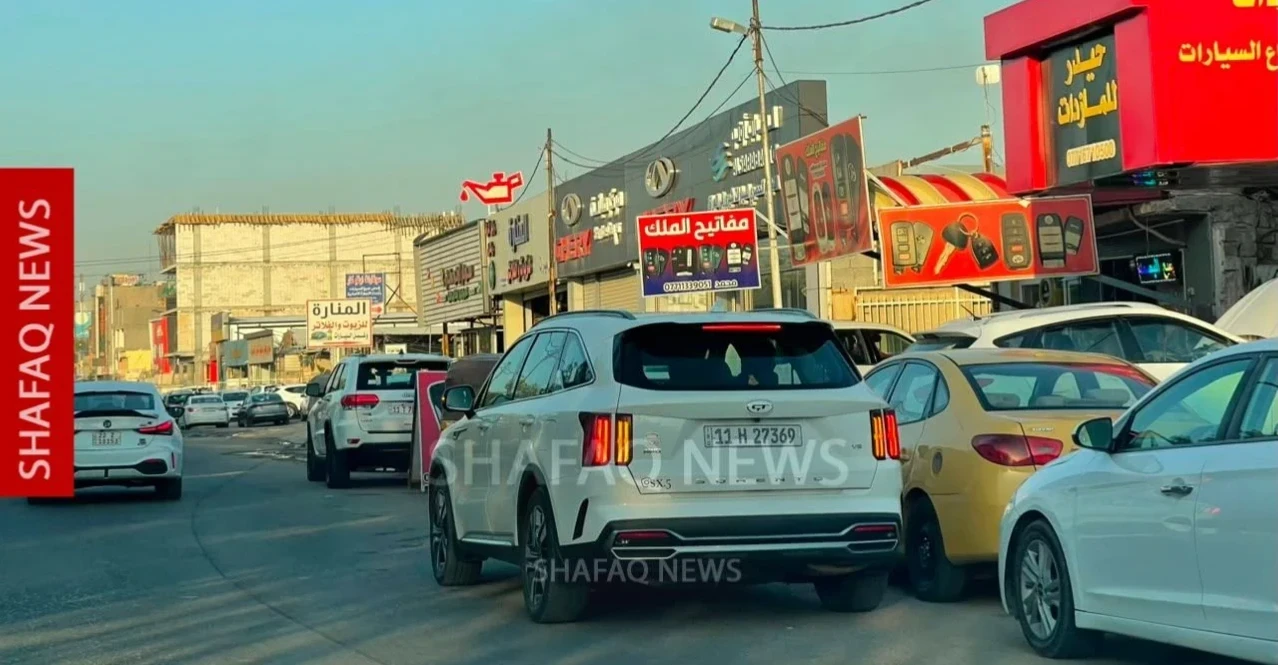
The introduction of electric taxis in Baghdad, dubbed the “Green Taxi” project, is gaining momentum as the city grapples with a significant gasoline shortage. This initiative is being developed amid ongoing assessments regarding its economic and environmental viability, paving the way for a more sustainable transportation system in Iraq’s capital.
Details of the Green Taxi Initiative
The Green Taxi project aims to establish charging infrastructure for electric vehicles throughout Baghdad. Spearheaded by the Transport Ministry in collaboration with the Environment Ministry, the initiative seeks to incorporate thousands of electric taxis into the city’s transportation network. As pollution levels rise and environmental concerns mount, officials anticipate that these new vehicles will help mitigate the adverse effects of traditional gas-guzzling cars. Once the project is underway, assessments will be conducted to measure its impact on air quality and overall emissions.
Moreover, it has been reported that the government is exploring a partnership with a Chinese automaker to facilitate the importation of electric vehicles. These cars would be brought into the country under a state-supported agreement, making them accessible for the citizens of Iraq. The government plans to finance these imports via internal contracts, ensuring that electric vehicles can be sold through local companies efficiently.
Context of the Gasoline Shortage
The announcement of the Green Taxi project comes at a critical time, as Baghdad faces severe gasoline shortages. Many filling stations have closed due to a lack of fuel, particularly premium gasoline, leading to rising prices for both electric and hybrid vehicles. Anecdotal evidence suggests that some electric vehicle prices have surged by approximately 1 million Iraqi dinars (around $760) since the onset of the crisis. The lack of fuel has generated public outcry, with citizens demanding explanations from authorities regarding the recurrent gasoline shortages.
The Oil Ministry has attributed the supply deficiencies to a disparity between gasoline production and consumption, compounded by delays in importing premium gasoline. Moreover, regional tensions have disrupted the transportation of fuel to Iraqi ports, complicating the situation further.
Environmental Goals and Challenges
Hussein Ahmed, the Transport Ministry’s director of media and public relations, has emphasized the importance of targeted transport initiatives in reducing carbon footprints, especially given Baghdad’s heavy traffic and vehicle density. He described the Green Taxi project as both environmentally essential and timely. The Transport and Environment Ministries plan to utilize existing garages and install solar panels to power the electric taxis, enhancing sustainability.
However, experts stress that the project’s success will not solely rely on the number of electric vehicles deployed. Factors such as their operational frequency in congested areas, daily travel distances, and the vehicles they replace will play significant roles in determining the actual environmental benefits. The initiative is intended to be more than just a vehicle swap; it must offer measurable declines in emissions and improvements in local air quality.
Looking Ahead
The Green Taxi project represents a pivotal shift toward modernizing Iraq’s transportation system. Yet, its triumph hinges on careful planning and execution, particularly in terms of economic feasibility and public acceptance. Past initiatives, including the “River Taxi” project, have faced criticism for diverging from their original goals. Thus, experts conclude that thorough evaluations of the Green Taxi project’s impact on traffic congestion, emissions, and overall public transport must be conducted to avoid previous pitfalls.
In conclusion, the Green Taxi initiative is a promising venture aimed at revolutionizing Baghdad’s public transport and addressing the ongoing gasoline crisis. By fostering collaboration between ministries and engaging with local communities, the project could serve as a vital step toward a cleaner, more sustainable future for transportation in Iraq.