
The Iraqi government is taking significant steps to enhance its energy landscape, with a focus on solar power and food security. The Cabinet’s recent decisions reflect a broader commitment to reducing reliance on traditional energy sources while bolstering agricultural imports. This article explores these pivotal measures and their potential impact on Iraq’s economy.
Elimination of Customs Duties on Solar Energy Systems
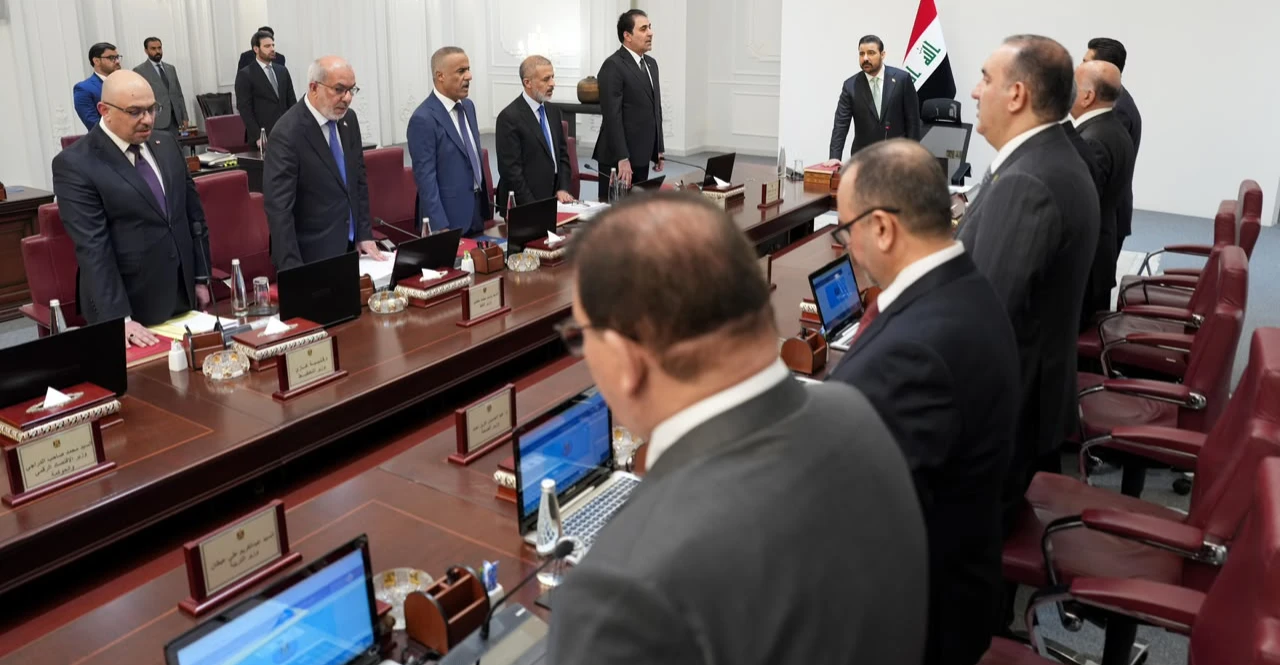
On Tuesday, the Iraqi Cabinet approved the removal of customs duties on imported solar energy systems. This decision, communicated through Prime Minister Ali Al-Zaidi’s media office, marks a critical shift towards promoting renewable energy usage in Iraq. By alleviating the financial barriers associated with importing solar technology, the government aims to encourage investment in clean energy solutions.
Solar energy has immense potential to transform Iraq’s energy sector. Historically reliant on oil, the country is now exploring alternative sources that align with global sustainability trends. This initiative not only paves the way for increased adoption of renewable energy but also aligns with international efforts to combat climate change.
Electricity Supply Contract Authorization
In addition to the customs duties reduction, the Cabinet authorized the Electricity Ministry’s General Company for Electricity Transmission in the Northern Region to negotiate a contract for the supply of an additional 600 to 1,000 megawatts of electricity. This contract signifies an essential step towards addressing Iraq’s pressing energy needs. With persistent power shortages affecting millions, this endeavor aims to stabilize the electricity supply and enhance its reliability.
The move towards securing additional electricity resources demonstrates the government’s commitment to modernizing Iraq’s energy infrastructure. This effort could not only improve domestic energy availability but also create a more conducive environment for economic growth and infrastructural development.
Support for Agricultural Imports and Food Security
The Cabinet’s decisions regarding customs duties were not limited to energy; it also authorized the Agriculture Ministry to allow agricultural crop imports until December 31, 2026. This measure is designed to support food security in the region, particularly in the wake of economic challenges and food supply disruptions.
By facilitating the importation of agricultural goods, the Iraqi government is working to ensure that its citizens have access to essential food supplies. This decision is particularly timely, given the current global food security climate, where supply chain issues have become more pronounced.
Broader Implications and Future Prospects
The Cabinet’s recent actions extend beyond energy and agriculture; additional measures have been taken concerning health, maritime transport, oil, and water security. Newly appointed ministers took an oath during this session, indicating a robust commitment to executing these policies effectively.
As Iraq navigates these transformative changes, the success of these initiatives will largely depend on effective implementation and public buy-in. The reinvigoration of the energy sector, combined with efforts to enhance food security, showcases the government’s proactive approach in addressing pressing national challenges.
In summary, Iraq’s recent decisions underscore a commitment to diversifying energy sources and safeguarding food security. These policies not only aim to modernize the economy but also contribute to a more sustainable and self-reliant future. As the nation moves forward, the alignment of energy and agricultural strategies will be crucial in achieving long-term stability and growth.