
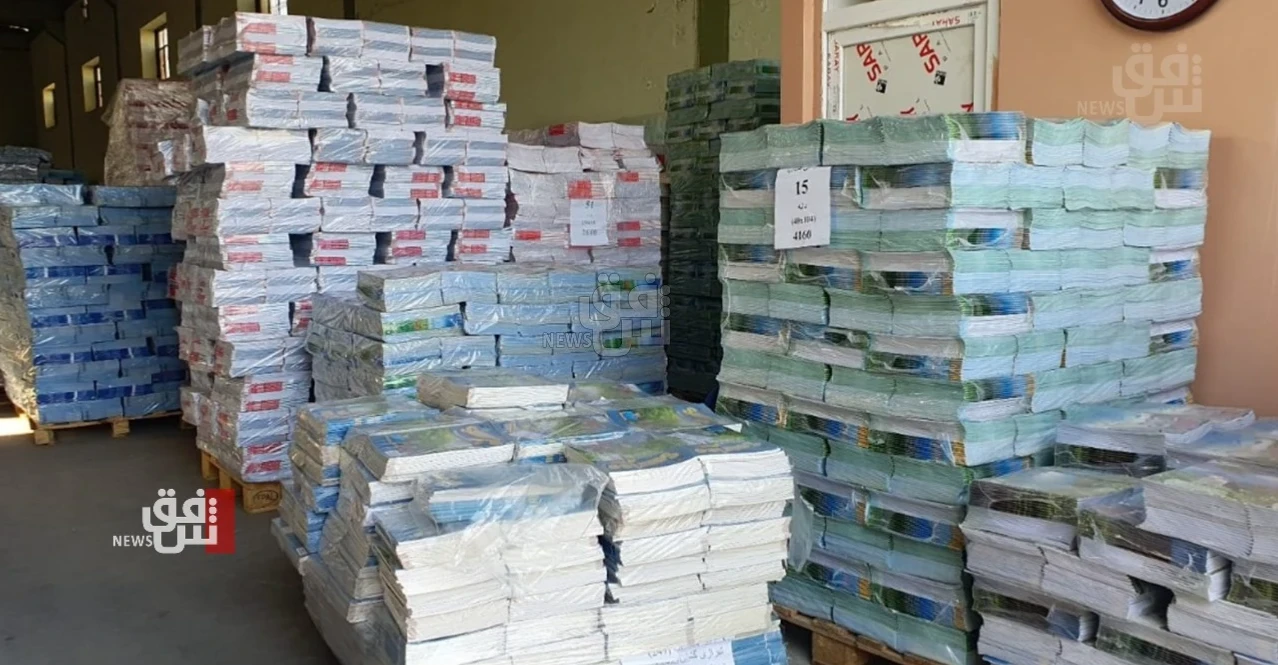
The cost of printing textbooks for students in Iraq is a pressing issue that the government faces. According to the Education Committee of the Parliament, the expenditure ranges between 150 billion and 200 billion Iraqi dinars, which translates to approximately $114.7 million to $153 million. This critical investment plays an essential role in ensuring that students in primary, intermediate, and secondary schools, along with vocational education, have the necessary materials for their education.
Current Textbook Production Status
The chair of the Education Committee, Zulaikha Elias, reported that the Ministry of Education is actively engaged in printing and distributing textbooks. These educational resources will be sent to various education directorates, which are responsible for delivering them to students through their respective schools. However, the committee has raised alarm over potential shortages just days before the new academic year commences. This situation has caused significant concern among educators and parents alike.
Funding Challenges and Reused Textbooks
Earlier this month, a warning was issued regarding alarming textbook shortages across Iraqi schools. The Ministry of Education acknowledged that the allocation for textbook printing this year is only about one-third of what had been allocated in previous years, in relation to the student population. This budget constraint has led to an increased dependence on reused textbooks, which may not meet the educational needs of all students.
Curricula Revisions Delayed
In addition to the financial challenges surrounding textbook production, there are also concerns regarding curricular updates. According to Elias, the Prime Minister’s Office had instructed relevant authorities to conduct revisions of certain subjects. Unfortunately, these changes have been stalled due to persistent financial limitations, making it challenging to implement necessary updates to the curriculum.
Ensuring that every student has access to educational resources is vital for raising literacy levels and improving overall educational outcomes in Iraq. The upcoming academic year poses immense challenges, and there is a pressing need for adequate funding and resources to support the country’s educational framework. With financial constraints impacting both textbook availability and curricular improvements, the government faces significant obstacles in fulfilling its educational obligations to the nation’s youth.
Moving forward, addressing these issues will be critical to ensuring that students are not left without the necessary tools for learning. Collaboration between governmental bodies, educational institutions, and the community will be essential in overcoming these hurdles. The focus must be on not just producing textbooks but creating a comprehensive, adequately funded strategy for the future of education in Iraq.