
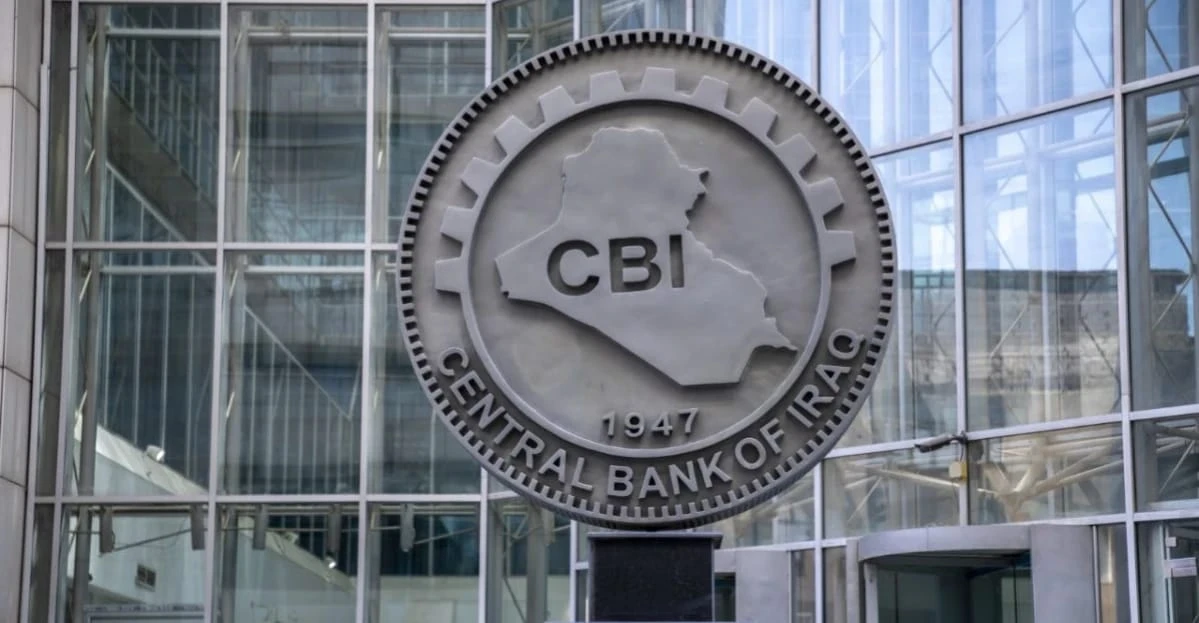
Iraq’s recent decision to adjust the official exchange rate for the US dollar has significant implications for its economy. The Cabinet has raised the rate to as high as 1,520 dinars (IQD) for one dollar, following an urgent recommendation from both the finance minister and the Central Bank of Iraq (CBI) governor. This change affects various financial operations, including transactions involving government purchases and sales to banks and the public.
New Exchange Rates Implemented
Under the revised rates, transactions are categorized into three primary tiers. The government will offer the dollar at a rate of 1,500 IQD for purchases from the Finance Ministry. Banks will have the opportunity to buy dollars at 1,510 IQD each. However, the most notable adjustment is for end users, who will now pay 1,520 IQD per dollar when acquiring currency from banks and non-bank financial institutions. This price hike consequently raises the cost for consumers, as the previous rate stood at 132,000 IQD for every $100.
Impact on Consumers and Market Dynamics
The increase in the official exchange rate has stirred concern among consumers and market experts alike. As the end-user rate experiences a significant jump of 20,000 IQD per $100, everyday Iraqi citizens may find the price of imports, goods, and services rising in tandem. This will inevitably affect purchasing power and exacerbate the economic challenges that many already face. With inflation pressures mounting, the real impact on household budgets may become evident in the coming weeks.
Reasons Behind the Rate Adjustment
The emergency adjustment appears to stem from broader economic pressures, including ongoing currency devaluation and market instability. The decision seeks to stabilize the dinar’s value against the dollar and address mounting fiscal imbalances. Nevertheless, some critics question whether these measures can effectively curb inflation or if they merely serve to translate existing issues into a higher nominal rate.
The move has sparked discussions on how to approach currency stability in Iraq. Economic analysts express the need for comprehensive reforms that not only focus on exchange rates but also tackle underlying issues such as governance, transparency, and the regulatory environment.
Looking Ahead: Projections and Considerations
Moving forward, stakeholders in Iraq’s economy will closely monitor the consequences of this adjustment. As the dollar rises in price, the question remains whether the government will implement further measures to alleviate the pressure on the dinar and on its citizens. Beyond adjusting rates, the focus may need to shift to fostering a resilient economy that can better withstand fluctuations and global influences.
In conclusion, while the recent hike in the US dollar exchange rate aims to provide short-term stability, the long-term impact on the Iraqi economy and its people will depend on the effectiveness of subsequent policies and reforms. Ensuring a stable and thriving economy will require a collective effort from all stakeholders involved, aiming to create sustainability and effectiveness in currency management.