
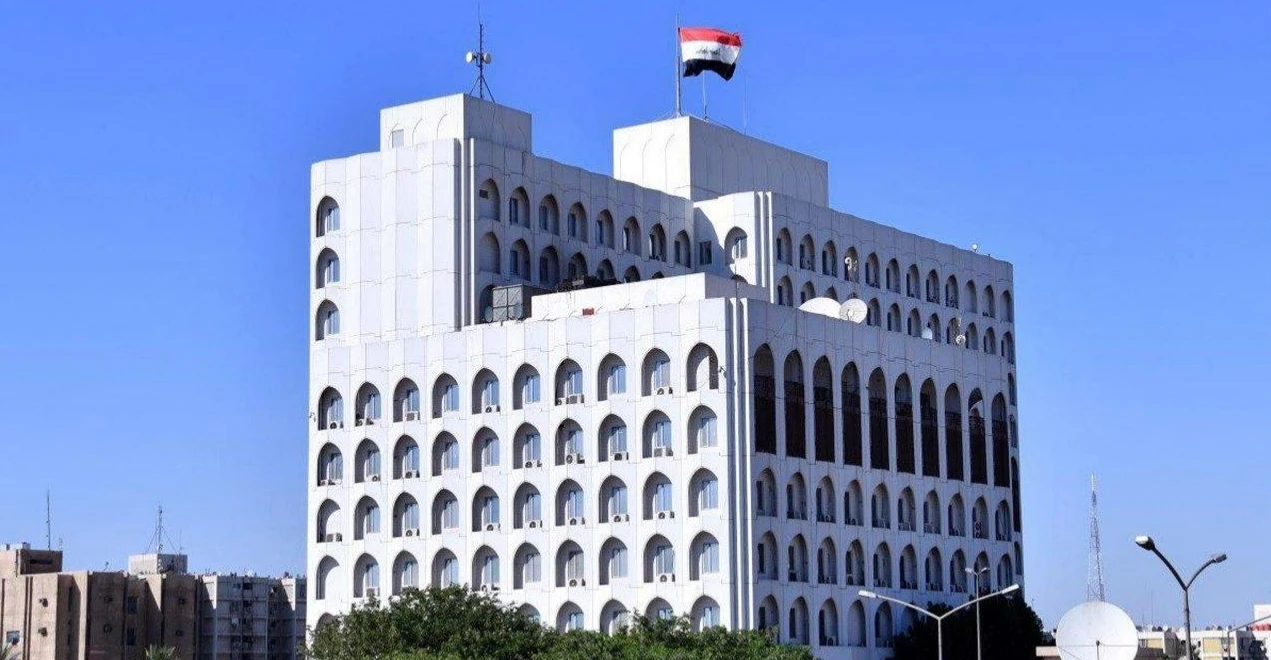
Iraq’s Ministry of Foreign Affairs has expressed its support for a significant decision made by twelve nations to impose restrictions on trading goods with Israel. This move is viewed as a critical step in the global efforts to address Israel’s settlement policies, which are perceived as unlawful and detrimental to the rights of the Palestinian people.
International Response to Settlement Policies
The decision was announced on Thursday, emphasizing the need for further international actions against Israel’s expansion in the occupied territories. The ministry highlighted that these restrictions serve as a crucial response to ongoing violations of international law, which exacerbate the plight of Palestinians. Iraq is urging additional countries to join these efforts, fostering a broader coalition aimed at holding Israel accountable for its actions.
The twelve nations—Canada, Denmark, Finland, France, Iceland, Ireland, Norway, Poland, Portugal, Spain, Sweden, and the United Kingdom—made their intentions clear in a joint statement released on September 8. They mentioned plans to either implement national restrictions or show support for European measures to limit trade in goods produced in Israeli settlements. It is important to note that these measures specifically target products from these settlements in the West Bank and do not encompass a blanket ban on trade with Israel itself.
Reactions from Israel
In response to the announcement, Israeli Foreign Minister Gideon Saar criticized the move, describing it as a “reward for terrorism.” He asserted that such decisions undermine peace efforts and harm diplomatic relations. Following this statement, Israel has taken steps to close the British consulate in East Jerusalem as a direct consequence of the UK’s decision to impose an import ban on these goods.
This reaction underscores the ongoing tension between Israel and the international community regarding its settlement activities. As more nations consider implementing similar restrictions, the situation remains fluid, with potential implications for international relations and regional stability.
The Broader Context
The push for trade restrictions against Israel’s settlements reflects a growing recognition of the need for accountability and a reevaluation of diplomatic strategies surrounding the Israeli-Palestinian conflict. For many advocates and international observers, the restrictions are seen as a vital piece of a larger framework aimed at ensuring that human rights are prioritized in geopolitics.
Both supporters and critics of the measures highlight the complexities involved. Supporters argue that economic pressure can be an effective deterrent, while critics warn that it could exacerbate tensions and lead to further conflict. As the situation unfolds, it will be crucial for global leaders to navigate these challenges carefully, weighing the moral and ethical considerations against the practical realities on the ground.
In summary, Iraq’s endorsement of trade restrictions against Israel, supported by a coalition of nations, signifies a pivotal moment in international diplomacy. This initiative is part of broader efforts to address longstanding grievances and promote justice for the Palestinian people. As further developments arise, the interaction between diplomacy and human rights will continue to shape the discourse surrounding this critical issue.