
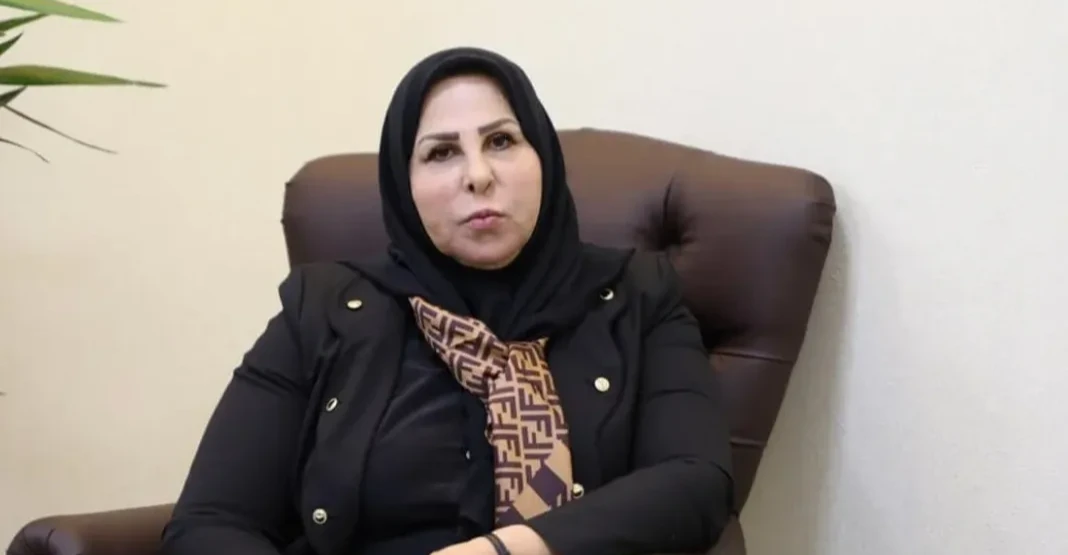
An Iraqi lawmaker has received a severe penalty for her involvement in financial misconduct. Alia Nassif was sentenced to seven years in prison due to charges surrounding corruption and illicit enrichment, as reported by Shafaq News. This decision highlights the ongoing efforts within Iraq to tackle corruption and promote accountability among public officials.
The Charges Against Alia Nassif
Nassif’s conviction stems from various cases related to financial corruption, specifically focusing on illicit gains obtained during her tenure as a lawmaker. The court found her guilty and mandated her to repay a significant sum, amounting to nearly 27 billion Iraqi dinars (roughly $20.6 million). The ruling reflects the Iraqi judiciary’s commitment to addressing corruption, a persistent issue that has plagued the nation’s governance structures.
Context of the Ruling
Nassif’s legal troubles began amid Iraq’s broader anti-corruption initiative known as the Dawn Crackdown. This nationwide campaign, launched by Iraqi authorities, aims to scrutinize and penalize corrupt practices among political figures. Since her arrest on June 28, 2023, Nassif has been in detention as investigators gathered evidence against her. The crackdown has intensified, putting an increased spotlight on corrupt activities and holding politicians accountable.
Freezing of Assets and Broader Implications
As part of the wider investigation into corruption, the Central Bank of Iraq took proactive measures by enforcing an asset freeze on 12 notable political figures, including Nassif. This list encompasses both current and former lawmakers, as well as advisers to the prime minister. This unprecedented action signifies the government’s determination to address financial misconduct at multiple levels, signaling to the public that reforms are underway. Official documents gained by Shafaq News corroborate these developments, marking a pivotal moment in Iraq’s fight against corruption.
This ruling against Nassif is a vital step in the larger framework of combating corruption and restoring the public’s trust in governance. As the nation witnesses these judicial actions, there is hope for more reformative measures that could lead to a transformation in Iraq’s political landscape. The government’s commitment to addressing these issues may inspire greater transparency and accountability, essential for the country’s development and stability.