
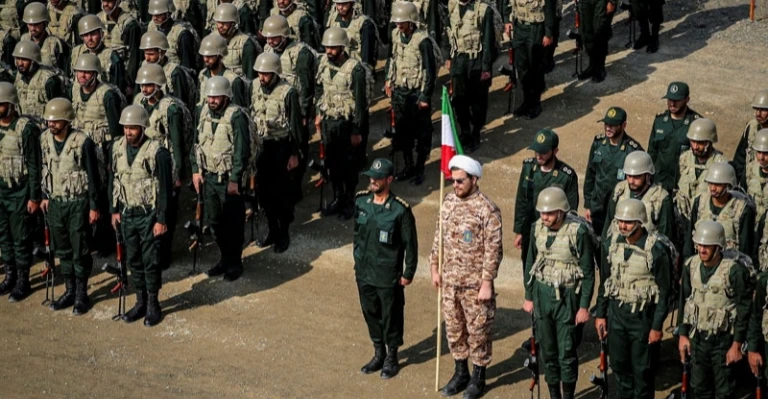
Iran’s Response to the Ending of the US-led Coalition Mission in Iraq
The Islamic Revolutionary Guard Corps (IRGC) in Iran has pronounced the conclusion of the US-led Coalition’s military operations in Iraq as a triumph for regional power dynamics. This development marks not only a pivotal shift in the geopolitics of West Asia but also represents a significant moment in the ongoing struggle against perceived foreign intervention.
Significance of the Coalition’s Withdrawal
On Thursday, the IRGC stated that the ending of foreign military presence in Iraq was primarily due to the Iraqi people’s steadfastness in seeking their sovereignty. They emphasized that the will of the Iraqi nation ultimately triumphed over external control. The announcement from Iraqi Prime Minister Ali Al-Zaidi about the completion of the Coalition’s operations against ISIS further cements this narrative of national independence. This transition signifies a renewed emphasis on local governance and security, restoring authority to Iraqi forces to manage their own stability.
Official Announcements and Future Cooperation
The Pentagon confirmed the end of Operation Inherent Resolve, a mission that spanned 12 years. U.S. personnel and their equipment have effectively exited from the Erbil Air Base, which aligns with the September 2024 agreement between Baghdad and Washington. While the military operations have concluded, the U.S. and Iraq will continue their partnership focused on intelligence sharing, military training, and armaments. This ongoing collaboration suggests that despite the withdrawal of combat forces, the U.S. remains committed to supporting Iraqi security in a non-combat role.
Broader Implications for Regional Stability
The IRGC’s declaration and the U.S. withdrawal signal a turning point in regional allegiances and conflict. Iran views this as an opportunity to expand its influence in Iraq and the surrounding areas, asserting that the U.S. military presence was a barrier to achieving true regional autonomy. This shift is likely to resonate throughout West Asia, potentially encouraging similar sentiments in neighboring countries.
Additionally, the U.S. exit raises questions about the long-term stability of Iraq, especially with the ongoing threat from ISIS. While Iraqi forces are now in charge of national security, the capability to handle potential resurgence threats will be critically scrutinized. The immediate aftermath of this change will be vital in determining whether Iraq can maintain its sovereignty in the face of internal and external challenges.
In conclusion, the IRGC hailed the Coalition’s departure as both a victory and a harbinger of increased Iranian influence. This moment in history underscores a dramatic shift in international relations in the region, raising critical questions regarding the future of U.S.-Iraq relations and the balance of power in West Asia.