
The recent decision by the Central Bank of Iraq (CBI) to raise the official exchange rate of the dinar has sparked dissent among various political factions and sectors of society. As the national currency’s value fluctuates against the dollar, many Iraqis express their frustrations and seek accountability from policymakers.
Political Backlash Against Currency Devaluation
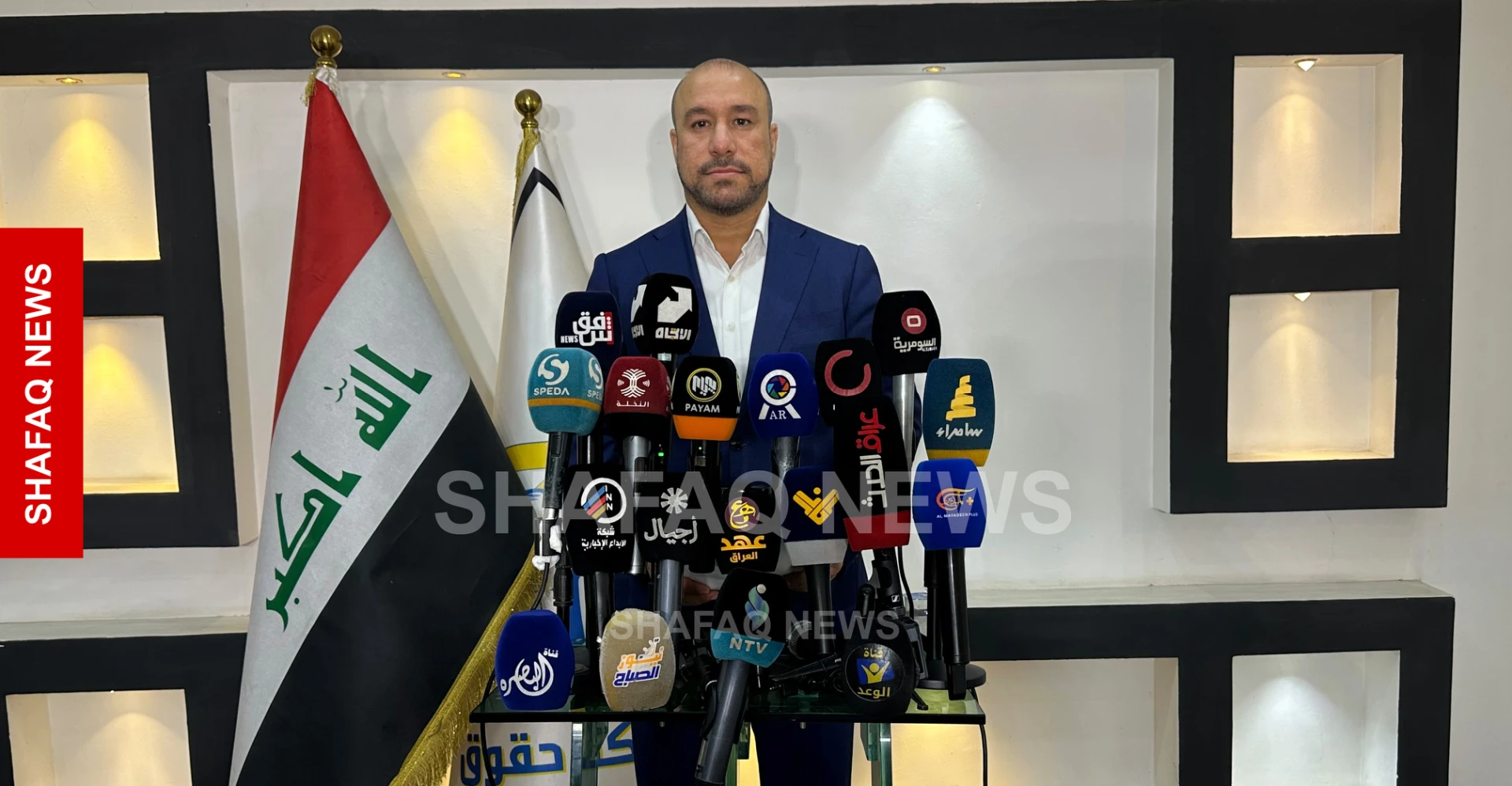
In a press conference, the Hoquq bloc, linked to Kataib Hezbollah, urged citizens impacted by the dinar’s devaluation to reject the government’s actions. Bloc leader Saud al-Saadi criticized the longstanding issues of poor governance and rampant corruption, placing blame on every Iraqi government since 2003. This call to action aims not only to rally public sentiment but also to challenge the government’s decision in front of the Federal Supreme Court.
During the media briefing, when asked if Prime Minister Ali al-Zaidi should address parliament, al-Saadi emphasized the need for transparency. He stated that a mere acknowledgment of responsibility is insufficient, stressing that the situation affects the entire nation. This perspective underscores the widespread concern over the financial ramifications of the dinar’s devaluation.
Gathering Support for Legislative Action
The Hoquq bloc is actively gathering signatures from lawmakers to convene a special parliamentary session focused on the dollar’s rising value and its implications for the public. By assembling key figures in government, the bloc seeks to hold those accountable responsible for the financial turmoil, thereby illustrating a collective demand for change.
The CBI’s recent adjustment, which affected the official selling rate of cash to the public from 1,320 to 1,520 dinars per dollar, has incited considerable political unrest. Various political entities and trade unions are calling for a reversal of this decision, emphasizing that the new rate will negatively impact the lives of citizens.
The Economic Landscape and Impacts
Iraq heavily relies on oil exports for government revenue, receiving a majority of its income in dollars and converting these funds through the CBI to finance public expenses, including salaries. This economic framework means that any fluctuation in the dollar’s value directly affects the country’s financial stability and, consequently, its citizens’ livelihood.
Given that the proposed federal budget is already predicated on this new value of 1,500 dinars per dollar, the implications of a reversal could complicate governmental operations. As this situation develops, it remains vital for both lawmakers and citizens to engage constructively, balancing accountability with economic realities.
In summary, the rise in the dinar’s official exchange rate has ignited widespread dissatisfaction and political maneuvers. As various groups call for accountability and a revisitation of the decision, the entire nation keenly observes the unfolding developments, highlighting a critical moment in Iraq’s economic and political landscape. The outrage not only stems from the financial implications but also reflects broader concerns over governance and transparency in a nation striving for stability.