
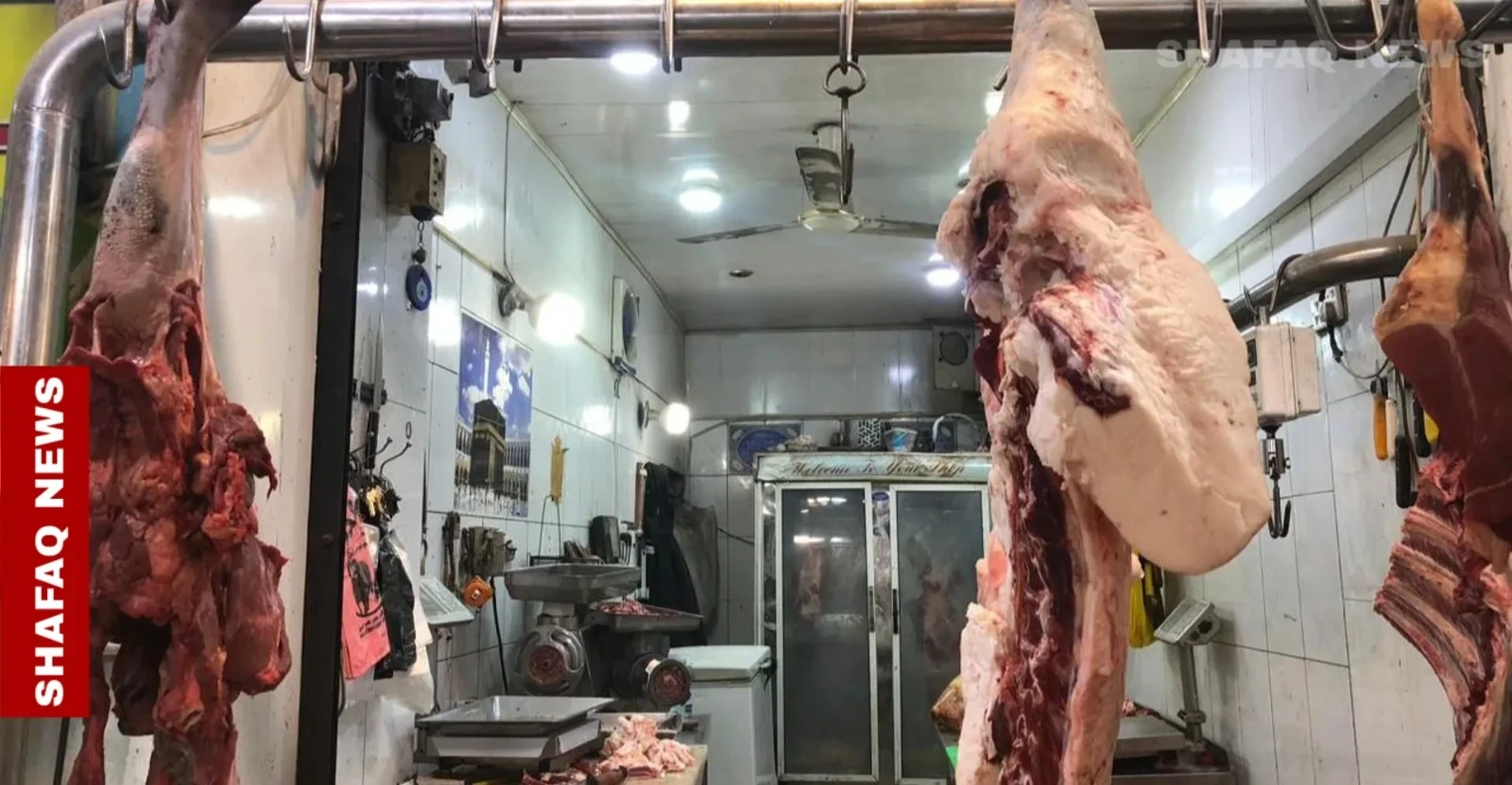
A recent scandal involving the sale of wild boar meat disguised as livestock has shaken consumer confidence in Najaf, leading many in Baghdad to reconsider their meat purchasing habits. In response to these alarming revelations, residents are increasingly opting for chicken over red or minced meat, fearing potential fraud in the meat market.
The Arrest and Sentencing of the Butcher
The controversy took root in early September, culminating in the arrest of a butcher in Al-Abbasiyah, Kufa district. Accused of hunting wild boars and then selling the meat as that of domesticated animals, the butcher’s actions led to significant moral and legal repercussions. On September 14, the Najaf Criminal Court sentenced him to ten years in prison for possessing 75 kilograms of pork, which was deemed unsuitable for human consumption. This verdict was delivered under Resolution No. 146 of 1998, which penalizes the sale of certain unfit meats misrepresented as sheep or cattle.
Legal experts highlight that while Iraqi law doesn’t explicitly criminalize pork sales, the butcher’s offense was rooted in fraud and unauthorized sale practices. Habib Al-Quraishi, a constitutional advisor, stated that the pivotal concerns revolve around misleading consumers and selling non-compliant meat.
Impact on Local Butchers and Consumer Trust
The repercussions of this incident have rapidly rippled across various neighborhoods, profoundly affecting local butcher shops. Abu Kamal, a butcher in eastern Baghdad, asserts that the news has drastically diminished his sales, noting that a significant number of customers are now asking about the origins of the meat they purchase. He reports a “near-total reluctance” among his usual clientele, who are now more concerned than ever about verifying meat quality and safety.
Kamal attributes this distrust to what he describes as insufficient regulatory inspections of butcher shops. He believes that the revealed misconduct not only impacts dishonest dealers but also tarnishes the reputation of compliant vendors who adhere to health standards. The case has triggered greater scrutiny of meat sources, compelling many consumers to prioritize establishments that uphold rigorous safety protocols.
Changing Buying Habits Among Consumers
In light of the Najaf case, many consumers, including families like that of Um Maryam, have altered their meat purchasing patterns. Um Maryam, aged 38, shared that she has forgone buying any type of red meat due to apprehensions surrounding its origin. Instead, she has shifted to chicken, acknowledging the rise in its prices but valuing the peace of mind it brings. She calls for stricter oversight and inspections of butcher shops and eateries, as these cases extend beyond mere commercial fraud to the very core of consumer trust and religious beliefs.
Furthermore, experts note that food fraud can lead to more than just physical or financial harm; it also affects consumers’ mental well-being. Psychology professor Sana Al-Daghistani pointed out that incidents like these can lead to anxiety and heightened skepticism regarding product sourcing and safety. She emphasizes that restoring consumer confidence should involve aggressive enforcement of regulations and appropriate penalties.
As a direct consequence of the Najaf case, even university students have begun steering clear of small restaurants that heavily feature meat in their menus. Sama Al-Taie, a student, explained that her circle is now choosing simpler meals without meat, driven by an inability to ascertain the origins of meat in various dining establishments.
In summary, the wild boar meat scandal in Najaf has instigated a cautious approach towards meat purchasing among Baghdad residents. A call for more stringent regulatory oversight emerges, underscoring the necessity for consumer confidence in the integrity of food supply chains.