
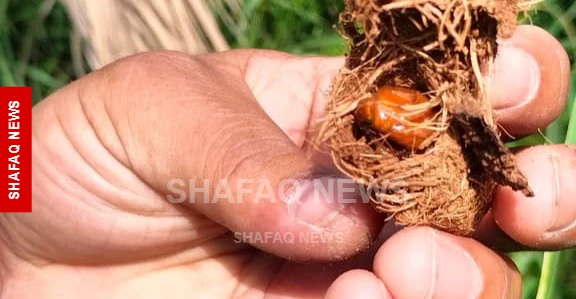
The presence of the red palm weevil in Iraq is raising alarms among agricultural experts, as this invasive pest threatens the country’s date palm industry and its rich agricultural legacy. With reports of infestations spreading across multiple provinces, decisive action is necessary to protect this crucial sector that many communities rely on for their livelihoods.
The Threat of the Red Palm Weevil
The red palm weevil, a pest originally from South and Southeast Asia, has carved a path of destruction through various date-growing regions in Iraq. First identified in Basra’s Safwan district in 2015, agricultural authorities swiftly implemented control measures to mitigate its impact. However, by 2025, new outbreaks emerged in several provinces, including Najaf, where pest detection intensified in areas like Al-Munaythir.
In Najaf alone, approximately 31,000 dunams (about 7,750 hectares) are dedicated to date palms. As agricultural teams conduct thorough surveys and deploy pheromone traps, they’re also actively managing infected trees to prevent isolated infestations from spreading further. The coordinated efforts among Najaf, Babil, and Karbala provinces highlight the urgency and collaborative approach necessary for effective pest management.
The Mechanism of Spread
One of the most concerning aspects of the red palm weevil is its understated ability to infest otherwise healthy-looking palms. Al-Haddad, head of the Plant Protection Department in Najaf, explains that the weevil typically enters through damaged areas of the tree, where it lays eggs. Once hatched, the larvae bore into the trunk, feeding and creating cavities that can eventually weaken or destroy the palm. Advanced infestations may go unnoticed until it’s too late, leading to the collapse of the trees.
Moreover, the movement of infected palm offshoots poses a significant threat to surrounding areas. To combat this, authorities now mandate rigorous inspections and treatments for palm offshoots from affected regions before they can be transported. Those cleared receive a phytosanitary certificate, allowing for monitored movement and adding an essential layer of control.
Monitoring and Management Strategies
Efforts to contain the red palm weevil are proactive rather than reactive. The Plant Protection Directorate has been distributing pheromone traps designed to lure adult weevils, which helps in early detection. Al-Haddad notes that these traps are strategically deployed even in areas that have yet to report infestations. When farmers report suspicious symptoms on their palms, rapid response teams are dispatched to investigate and take action.
Early diagnosis is critical, especially given the presence of other palm borers in Iraq that can cause similar damage. The weevil’s larvae are often concealed within the palm, making detection challenging. The need for careful monitoring and timely interventions is paramount, as significant weather events can inadvertently facilitate the spread of the pest over larger distances.
In conclusion, the red palm weevil’s encroachment into Iraqi agriculture underscores the urgent need for collaborative, informed action. By implementing strict monitoring protocols, regular inspections, and using innovative pest management strategies, Iraq can work towards safeguarding its date palm industry and preserving its agricultural heritage for future generations.