
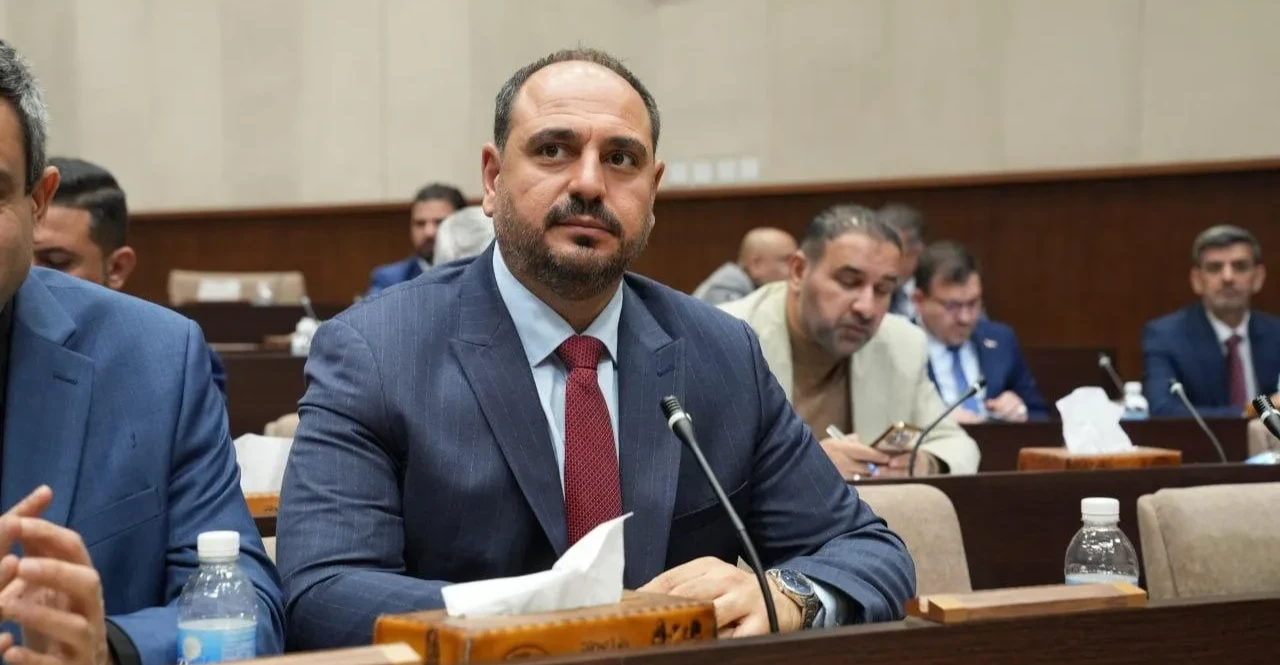
Iraq’s political landscape is once again in the spotlight as the Christian Suyana bloc seeks proper representation in the new government. This demand, articulated by the bloc’s leader, Kaldo Ramzi Oghanna, stems from concerns over political maneuvering that could undermine the interests of minority communities.
Representation in Question
The Suyana bloc is adamant about wanting its own nominee to fill a cabinet position. Oghanna has explicitly rejected the idea of endorsing a candidate supposedly linked to the Babylon bloc, claiming that such individuals cannot accurately represent the interests of the Christian community. He expressed concerns that political opponents aim to mislead the public by presenting these nominees as independents, a claim that raises questions about the integrity of the selection process in Iraq’s politics.
Prime Minister Ali Al-Zaidi had previously assured the Suyana bloc of their representation in the cabinet. Oghanna emphasized that the bloc positions five out of the nine available parliamentary seats earmarked for minority groups, which includes three out of five designated for Christians. Thus, the bloc expects to have a significant voice in governmental decisions affecting these communities.
Political Dynamics
Oghanna has taken steps to submit the names of qualified candidates for Al-Zaidi’s consideration. However, he voiced frustration over the Prime Minister’s alleged tendency to propose names as independents when they are not truly so. This situation complicates the political dynamics within the cabinet and raises concerns about transparency in the selection process.
On October 15, 2023, Iraq’s parliament approved a slate of new cabinet members. This included three deputy prime ministers and 11 other cabinet nominees, yet the portfolio for Migration and Displacement Ministry remains unfilled. This vacancy highlights the ongoing discussions surrounding minority representation and underscores the urgency of the Suyana bloc’s demands for appropriate acknowledgment in governmental affairs.
A Call for Accountability
The situation calls for a reevaluation of how minority groups are represented in Iraq’s political landscape. Oghanna’s call for accountability reflects the broader concerns that minority communities may be sidelined in favor of politically expedient choices by established political blocs. As Iraq continues to navigate a complex political environment, the need for fair representation becomes increasingly critical for fostering national unity.
As negotiations and discussions unfold, the Suyana bloc’s insistence on its nominee signals a broader trend among marginalized groups to assert their rights and needs within the political sphere. The outcomes of this situation could significantly impact not only Iraq’s governance but also the long-term stability and inclusiveness of its democracy.
In conclusion, the Suyana bloc’s demand for representation is more than just a political maneuver; it is a vital assertion of the rights of minority communities in Iraq. The attention this issue receives will ultimately shape the future of governance in the country, making it imperative that all voices are heard and represented.