
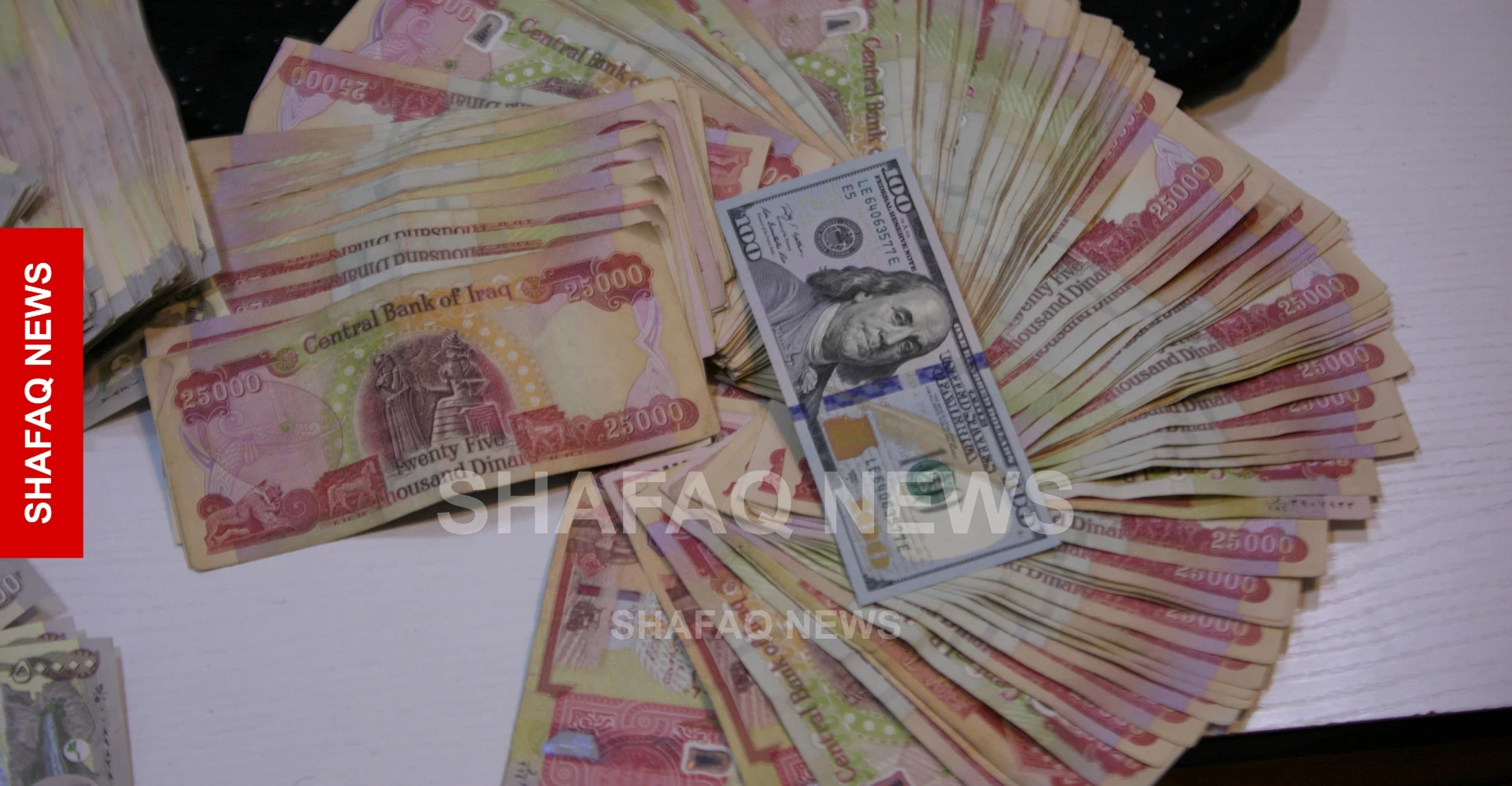
The exchange rate of the US dollar against the Iraqi dinar continues to climb, reaching levels over 1,600 dinars in the parallel market. This represents a significant increase of about 21% over the official rate, which sits at 1,320 dinars. As fresh shipments of US currency arrive, experts suggest that these efforts alone may not be sufficient to bridge the widening gap—fueled by speculation, policy inconsistencies, and heightened demand.
Understanding Iraq’s Dual Exchange Rates
Iraq operates under two distinct exchange rates: the official rate, utilized by the Central Bank of Iraq (CBI) for transactions like trade and travel, and the parallel market rate formed through supply and demand dynamics. Traders in the parallel market typically quote prices per $100, and recent reports indicate that this rate has surged to approximately 160,000 dinars. The disparity between these rates reflects the complexities of Iraq’s economic environment.
Factors Driving Demand for US Dollars
Economic analysts have observed a persistent demand for US dollars that far exceeds current supply. Ali Daadoush, an economist, highlights several contributing factors, including speculation and uncertainty surrounding the economy, as well as delays in official bank transactions. Another major element is the increasing need for dollars to facilitate imports from Iran. Moreover, a significant portion of the currency in the parallel market originates from the official rate, where dollars are sold to citizens for various purposes like education and medical care, only to be resold, driving up the price.
Effect of New US Dollar Shipments
Although new dollar shipments can enhance liquidity within the market, their impact on the parallel exchange rate largely depends on the speed of distribution to those who need the currency legitimately. Nabil al-Abadi, managing director of the Union Bank of Iraq, asserts that narrowing the gap between the two exchange rates requires an improved banking sector and more accessible foreign currency through official channels. This could potentially reduce the reliance on the parallel market.
Impact of Speculation and Political Uncertainty
Amidst rising rates, the CBI’s foreign reserves have decreased considerably, falling to approximately $80.6 billion as of July 2026, down from $97.4 billion at the end of 2025. This decline of about 17.2% raises concerns regarding the ability to stabilize the currency market effectively. The CBI attributes the current rise in the parallel market dollar rate to various factors, including speculation and regional tensions. Surprising statements from political figures about potential changes to the currency system further complicate the landscape, fostering uncertainty in the market.
In the Kurdistan Region, currency exchange market representatives echo similar sentiments, clarifying that adjustments to the exchange rate should rest solely with the CBI. Any arbitrary imposition of a lower rate, such as 1,500 dinars per dollar, could trigger public unrest and market volatility, leading to negative repercussions.
In conclusion, expectations surrounding the dollar continue to drive market behavior. The fear of further increases pushes traders and individuals to buy dollars now, thereby exacerbating demand and widening the gap between the official and parallel rates. While fresh cash inflow may offer immediate relief, economists argue that long-term stability in the dollar exchange rate will require robust reforms and effective management of Iraq’s financial landscape.