
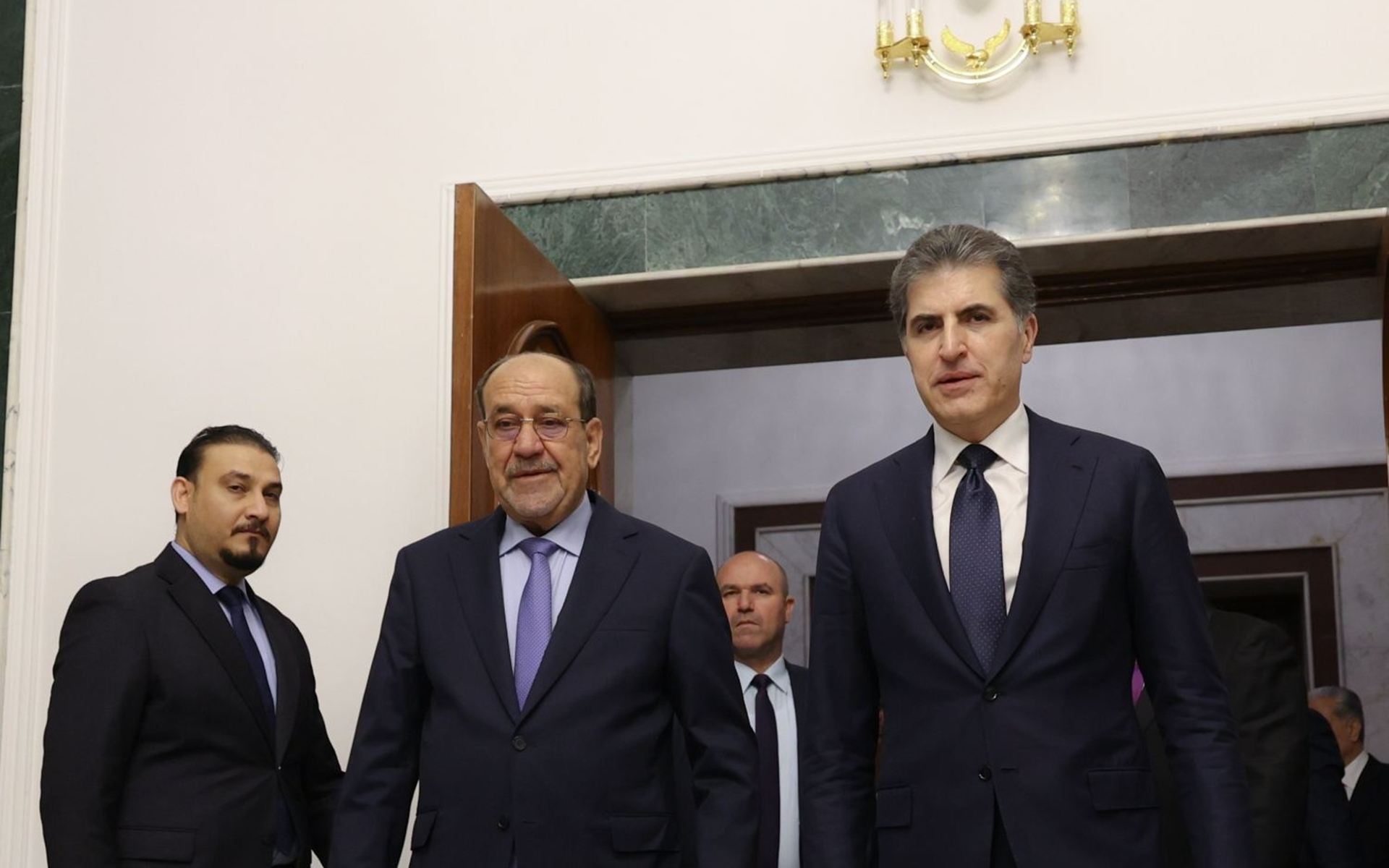
President Nechirvan Barzani’s recent trip to Baghdad aims to expedite the formation of Iraq’s federal government and address ongoing issues between Erbil and Baghdad. With various political leaders expressing optimism, this visit is viewed as critical to achieving progress in a nation that has seen prolonged bipartisan disputes.
Barzani’s Role in Government Formation
Political stakeholders from both Shiite and Sunni backgrounds see Barzani’s connections in Baghdad as instrumental in facilitating resolutions to issues that have lingered for years across multiple administrations. Hadi al-Amiri, the leader of the pro-Iran Badr Organization, has emphasized a “consensus” among Iraqi factions to accelerate the government establishment. He remarked that the push for a timely government serves the interests of the Iraqi populace, showcasing a collective determination among political forces.
Azzam al-Hamdani, representing the Sunni Azm Alliance, noted that Barzani has often been a key player in resolving conflicts between Erbil and Baghdad. His efforts have been described as a consistent part of the solution, highlighting his understanding of the complexities involved. As negotiations for a new cabinet intensify, Barzani’s visit assumes crucial significance, particularly as Prime Minister-designate Ali al-Zaidi seeks to finalize a cabinet in line with constitutional timelines.
Strategic Meetings and Ongoing Discussions
Accompanying Barzani are high-ranking officials such as Foreign Minister Fuad Hussein and KRG Chief of Staff Fawzi Hariri. Their collective presence reinforces the importance of this visit in addressing outstanding issues, including public sector salaries, Peshmerga funding, and the critical implementation of Article 140. Lawmaker Yousef al-Kalabi from the State of Law Coalition expressed optimism about Barzani’s negotiations, believing this could propel the political process forward and set the stage for governmental cohesion.
The urgency surrounding the formation of a new cabinet is further heightened by economic stresses stemming from regional conflicts, particularly those involving Iran, the U.S., and Israel. Despite a ceasefire, oil exports remain disrupted, casting a long shadow over Iraq’s economic stability. Amid this backdrop, Hamdani asserted the current security climate might actually facilitate resolutions to the long-standing tensions between Baghdad and Erbil.
Essential Issues at Stake
As Kurdish factions prepare to outline their demands to the Coordination Framework while vying for positions in the next administration, core issues persist. Topics like salaries, Article 140, and oil exports continue to be pivotal for both Kurdish and Iraqi stability. Addressing these concerns is seen as critical not only for the Kurdish regions but also for Iraq’s overall governance and unity.
Barzani’s meetings with faction leaders and his extensive experience as a former prime minister provide him a unique vantage point to tackle these challenges. As political leaders express cautious optimism, the potential for constructive dialogue appears promising yet fraught with complexities. Amid escalating regional tensions, Barzani’s mission could be a beacon of hope for a unified and functioning Iraqi government.
In conclusion, Barzani’s strategic visit to Baghdad signifies more than just high-level discussions; it showcases a crucial moment in Iraqi politics where the harmonization of various parties could pave the way for a more unified future. With solid alliances and a clear agenda, Barzani’s efforts could become the catalyst needed for long-awaited governmental reform and stability.