
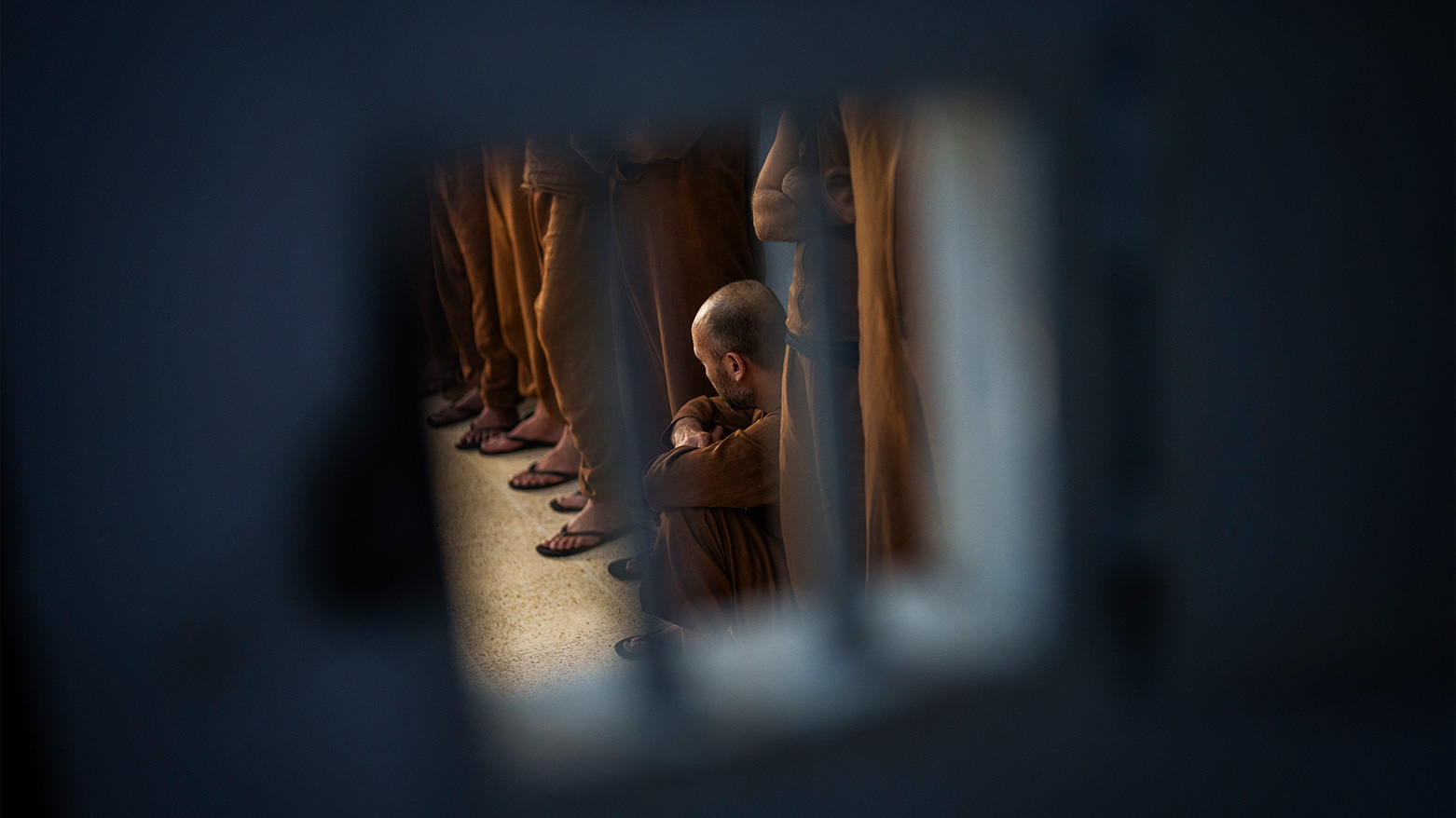
Six French citizens are set to face trial in Iraq as the country takes on the responsibility of prosecuting numerous suspected members of the ISIS terrorist group. This significant legal proceeding highlights Iraq’s ongoing efforts to address the consequences of ISIS’s reign of terror in the region.
Background on ISIS and Iraq’s Judicial Challenges
Iraq has been grappling with the aftermath of ISIS’s brutal campaign since the group swept through Syria and Iraq in 2014. The terror group committed heinous acts, including mass killings and the enslavement of women and children. By 2017, Iraq, with the support of US-led forces, declared victory over ISIS, while the Kurdish-led Syrian Democratic Forces dismantled the group’s final stronghold in Syria by 2019. However, the challenges remain, as the country continues to manage a substantial number of ISIS suspects. Iraqi prisons are currently housing thousands of detainees, a mix of locals and foreign nationals, further complicating the judicial landscape.
The Transfer of French Nationals
On Sunday, six French nationals, part of a larger group of 47 transferred from Syria last year, will stand trial. Their identities remain undisclosed, but their circumstances are part of a more alarming trend: Iraq’s increased role as a venue for prosecuting those captured in conflict zones. A notable figure within this group is Adrien Guihal, infamously connected to the 2016 Nice attack, which he claimed responsibility for in alignment with ISIS.
Despite Iraq’s efforts to establish law and order post-ISIS, the prosecution of foreign suspects remains contentious. Human rights advocates have raised alarms about the fairness of these trials, criticizing them for lacking due process and being conducted hastily. In past years, Iraqi courts have issued numerous death and life sentences to individuals convicted of terrorism, including many foreign fighters.
Repercussions and Calls for Repatriation
The case of the six French nationals has stirred considerable debate back in France, where the issue of repatriation for ISIS suspects has long been divisive. Earlier this year, more than 5,700 detainees from over 60 countries, including at least five French citizens, were transferred to Iraq from Kurdish-run prisons in Syria. Among these individuals are some who were minors when their parents joined ISIS. As these high-stakes trials unfold, French lawyers are advocating for the repatriation of their citizens, fearing they may face the death penalty in Iraq.
The Iraqi judiciary recently announced that it has completed interrogations for these cases, paving the way for formal trials. Furthermore, they indicate that investigations have resulted in the release of over 450 Syrians, deemed not guilty of terrorism charges. This reflects the ongoing complexities and the necessity for clear legal pathways in dealing with foreign ISIS fighters.
The Broader Implications
As nations confront how to handle their citizens involved with ISIS, the outcomes of these trials in Iraq could set significant precedents. The trials not only pose moral and legal questions but also influence international relations, especially with countries navigating the dual challenges of national security and human rights. For Iraq, ensuring a just and fair judicial process is crucial as it attempts to heal from the scars left by ISIS, while for France and others, balancing accountability with humane treatment remains an ongoing dilemma.