
The escalating tensions between Iran and the United States have reached a critical point following a series of military actions that threaten to destabilize the region further. Recent U.S. strikes retaliated against Iranian attacks on commercial shipping in the strategically vital Strait of Hormuz. This conflict has raised alarms over the potential breakdown of peace talks aimed at resolving the ongoing war, underlining the fragility of the situation in the Middle East.
U.S. Military Actions in Response to Iranian Aggression
In the early hours of Wednesday, the U.S. military executed airstrikes in Iran after the country allegedly struck three vessels in the Strait of Hormuz. This move was part of a broader strategy to curb Iran’s ability to sell crude oil on the global market, a significant financial lifeline for the Iranian economy. Following these assaults, Iran retaliated, targeting both Bahrain and Kuwait, which host U.S. military bases. The heightened military exchanges are setting a dangerous precedent, as they signify a substantial escalation in hostilities.
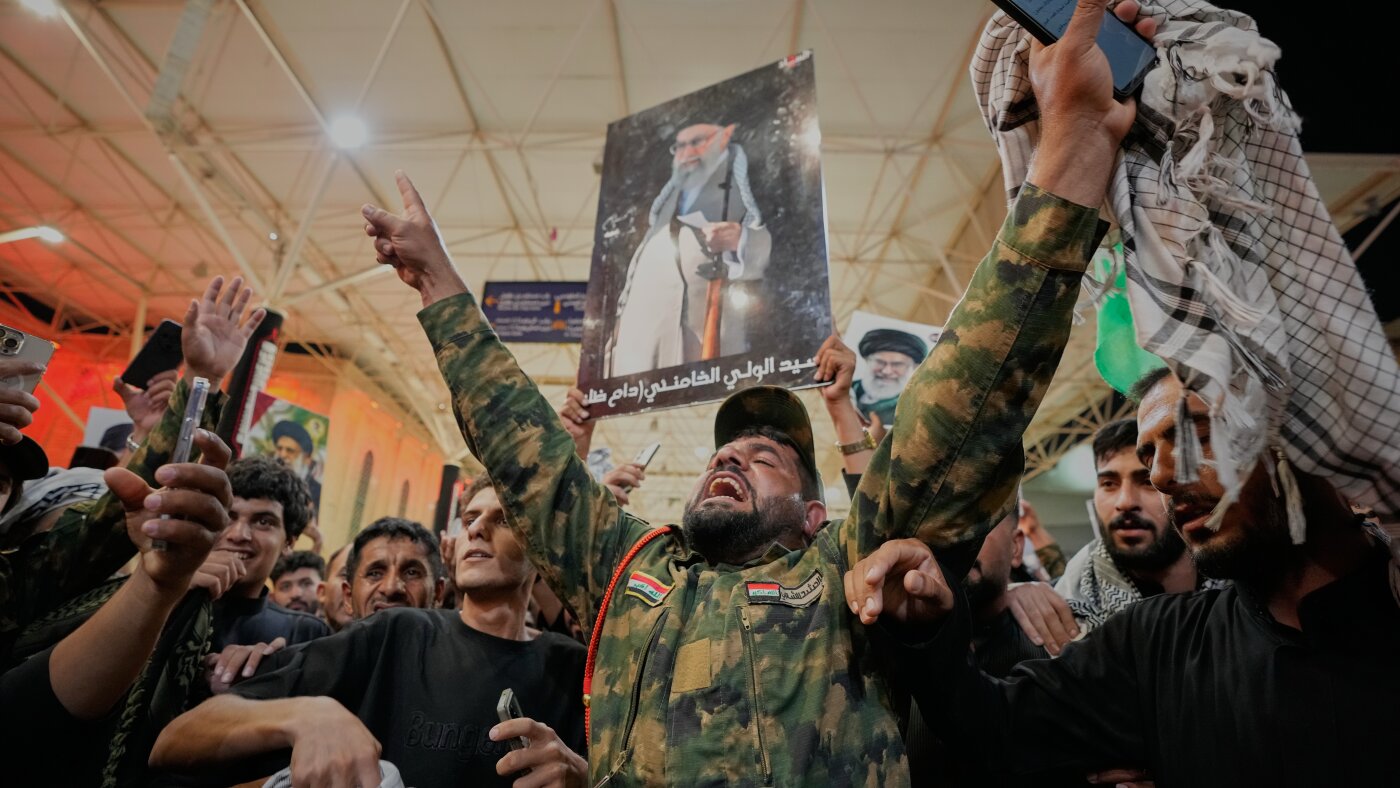
The recent attacks occurred amidst the funeral of Iran’s Supreme Leader, Ayatollah Ali Khamenei, who was killed during the initial stages of the ongoing war. This period was anticipated to be one of relative calm, yet mourners at Khamenei’s funeral have vocally called for acts of violence against U.S. leaders, including President Donald Trump. Such calls have exacerbated fears that the situation could devolve into broader conflict.
Implications for Regional Stability
The escalating tensions have thrown future negotiations into doubt. Scheduled talks aimed at reaching a final agreement on crucial issues—such as reopening the Strait of Hormuz and addressing Iran’s controversial nuclear program—now seem precarious. Iranian officials have indicated a hardline stance, asserting that they will not bow to U.S. pressure, with influential figures like Mohammad Bagher Qalibaf, the Speaker of Iran’s Parliament, vocally denouncing U.S. actions.
In its response, the U.S. military characterized their strikes as necessary measures to impose consequences on Iran for jeopardizing international shipping lanes. They targeted critical military assets, including Iranian air defense systems and small boats operated by the Revolutionary Guard, which have a history of disrupting maritime traffic. U.S. officials have reiterated their commitment to holding Iran accountable if it fails to adhere to the principles of the peace agreements.
The Challenge of Global Energy Security
As these hostilities escalate, the implications for global energy markets cannot be overstated. The Strait of Hormuz is a vital route for approximately a fifth of all traded oil and natural gas. Iranian control over this strategic area means they can significantly impact global fuel prices and supply chains. The U.S. recent actions, such as revoking licenses that allowed Iran to sell oil internationally, aim to strengthen economic sanctions that have been in place for years.
Furthermore, reports indicate that Iranian forces struck a liquefied natural gas tanker during the recent spate of attacks, underlining the immediate dangers facing shipping in these contested waters. The strikes prompted an alert in both Bahrain and Kuwait, signaling the broader implications these military actions carry for the safety of U.S. troops stationed in the region.
The ongoing situation highlights Iran’s assertive stance against perceived threats to its sovereignty while simultaneously challenging international maritime norms and security protocols. As the U.S. and its allies remain steadfast in their efforts to prevent Iran from expanding its influence, all eyes will be on how this escalating confrontation will unfold in the coming days.