
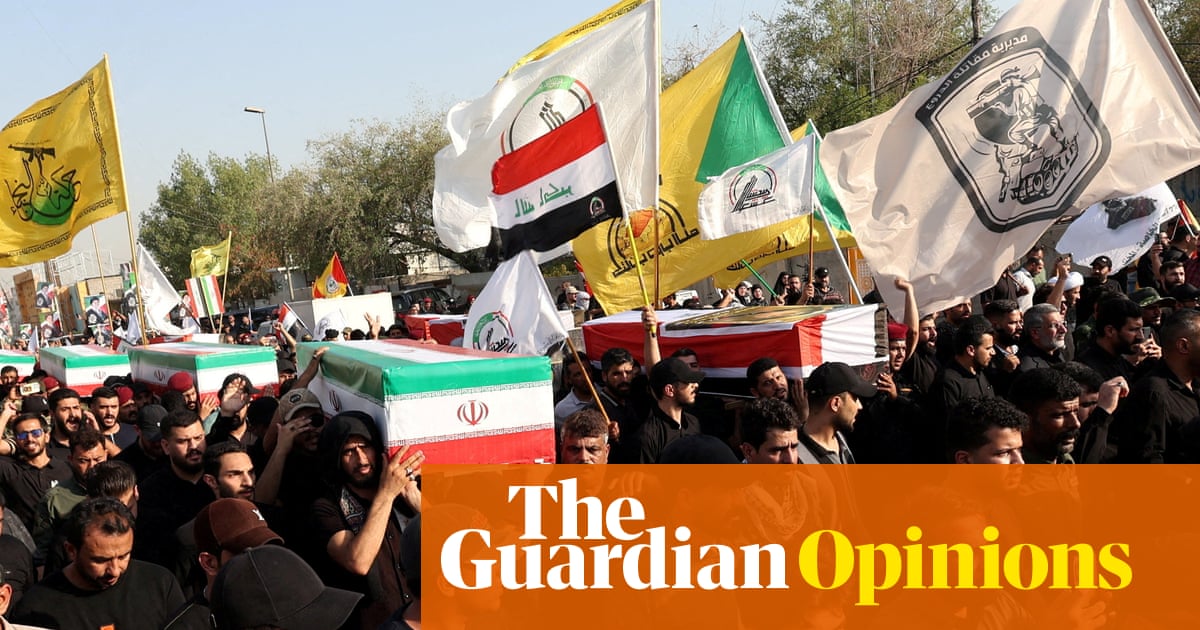
The ongoing conflict involving the United States and Iran has rapidly escalated, spreading throughout the Middle East and resulting in military actions across several nations. Initially perceived as a concentrated effort to unseat the Iranian government, recent developments have transformed this situation into a region-wide crisis with the potential to disrupt global energy markets and contribute to economic turmoil worldwide.
Regional Escalation of Conflict
Over the past week, tensions have reignited with the Pentagon engaging in consecutive strikes against Iranian targets while Iran has retaliated by targeting U.S. military installations in the area. This widening conflict now encompasses not only Iraq but also reaches into Saudi Arabia, Yemen, Jordan, and Egypt, as negotiations facilitated by Pakistan and Qatar struggle to gain traction.
A significant peak of violence occurred when Saudi Arabia confirmed its participation in airstrikes against Iranian-aligned forces within Iraq. This action followed accusations against Iraqi militias for drone attacks aimed at Saudi oil facilities. The Popular Mobilization Forces (PMF), a coalition of mostly Shia militias supported by Iran, have played a pivotal role in this ongoing unrest. Their formation can be traced back to efforts in combating the Islamic State, but their influence has dramatically shifted in the current geopolitical climate.
Iraqi Government’s Position
Despite claims from U.S. officials that there was coordination with Iraqi authorities prior to the airstrikes, Iraqi leaders refuted these assertions, indicating a reluctance to be dragged into the intensifying conflict. This denial illustrates the precarious balance Iraqi leaders are attempting to maintain between the United States and Iran amidst heightened hostilities. Since the U.S. invasion of Iraq in 2003, the power dynamics have shifted dramatically, allowing Iran to cultivate significant influence over Iraqi politics through Shia militias.
Worse yet, these actions pose a broader risk of destabilizing an already fragile environment within Iraq. The renewed alignment of Shia militias in support of Iran could spiral into a more extensive confrontation that threatens the region’s stability.
The Impact on Global Energy Supply
As hostilities intensified, Iran effectively restricted traffic through the Strait of Hormuz, a vital corridor for oil transport globally. This strategy has pushed some oil exporters, notably Saudi Arabia, to redirect shipments via alternative routes, which introduces additional costs and delays. The Houthis, an Iranian-aligned group in Yemen, further complicate matters by engaging in military actions that disrupt shipping in the Red Sea, impacting freight logistics and insurance premiums.
Currently, the Houthis have enacted a blockade against Saudi maritime vessels, claiming it as retaliation for long-standing naval restrictions imposed by the kingdom. This has led to notable attacks on vessels, forcing Saudi Arabia to navigate its oil exports through extended routes that considerably increase operational costs. The economic ramifications are severe; unemployment and inflation rates are on the rise, further exacerbating regional instability.
Consequences for Saudi Arabia
The Saudi economy is facing immense pressure as a direct result of the ongoing conflict. Recent interventions in Yemen aimed at countering the Houthi threat have already proven disastrous, leading to a staggering loss of life and humanitarian crises without achieving the intended objectives. Despite earlier efforts to secure a ceasefire, renewed attacks and escalating military actions endanger any potentially fragile peace agreements.
Saudi Arabia’s leadership is currently exploring new alliances aimed at maritime security in the Red Sea, calling for an international coalition. However, the practicality and effectiveness of such an initiative remain uncertain, especially given the existing EU-led operations targeting similar objectives.
In conclusion, the evolving conflict instigated by U.S.-led military operations in Iran threatens not only local stability but also global economic stability. The failure of diplomatic efforts amidst continuous violence casts a long shadow over the prospects for peace, leaving the region in turmoil and the world economy at risk.