
Understanding the Threat of Iran-Backed Militias in Iraq
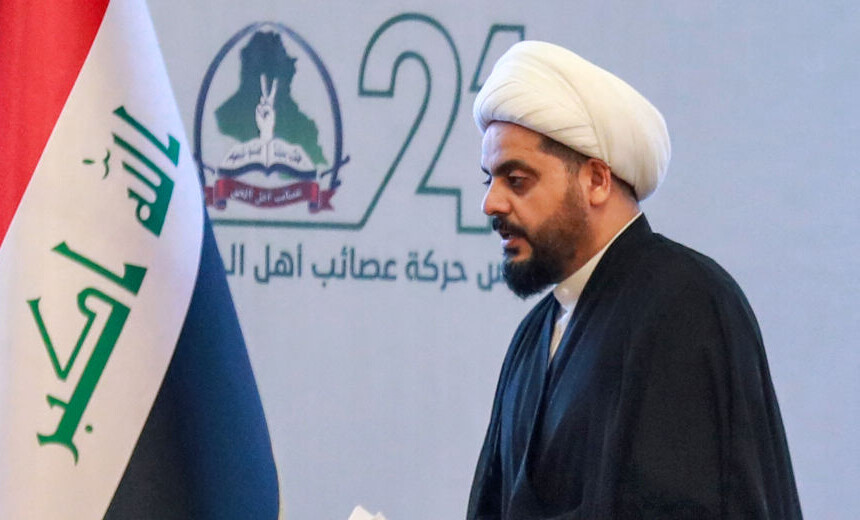
The promises of Iran-backed militias in Iraq, such as Asaib Ahl al-Haq (AAH), should always be scrutinized. These groups, recognized by the United States as Foreign Terrorist Organizations (FTO), pose significant challenges to regional stability and security. Their operations are often shrouded in secrecy, and their commitments may lack genuine intent.
The Reality of Asaib Ahl al-Haq
Asaib Ahl al-Haq is one of the most prominent Iran-aligned militias operating in Iraq. Established in 2006, it has been instrumental in combating U.S. forces during the Iraq War and has continued to be active in the region. While the group claims it is dedicated to protecting Iraqi sovereignty and resisting foreign intervention, its actions often contradict these assertions. Reports indicate that AAH engages in various illicit activities, including kidnappings, extortion, and attacks on both Iraqi and foreign military targets. This duality raises questions about its true motives and long-term goals.
Moreover, the organization’s strong ideological ties to Tehran further complicate its credibility. AAH not only receives financial support from Iran but also aligns its strategic objectives with the Iranian regime. This close relationship makes any promises made by the militia suspect, as they may be using diplomacy as a temporary shield while pursuing more aggressive strategies against those they perceive as adversaries.
Impact on Iraqi Politics and Society
The influence of Iran-backed militias like AAH extends beyond military operations; it permeates Iraqi political life. These groups often operate within a complex web of alliances that include various political factions, significantly affecting governance in Iraq. By leveraging their military strength, these militias can sway political decisions and increase their power. This infiltration into politics undermines the authority of the Iraqi government and complicates efforts towards national unity.
Furthermore, the presence of such militias fosters an atmosphere of distrust among the Iraqi populace. Many citizens fear retribution from these groups due to their ability to wield violence and manipulate political processes. This creates a climate of fear that can stifle dissent and shut down calls for reform, perpetuating cycles of violence and instability.
International Response and Future Prospects
The international community faces a tough challenge when navigating the complexities posed by Iran-backed militias in Iraq. While the U.S. has imposed sanctions on AAH and other similar groups, effectively labeling them as terrorist organizations, the outcomes remain mixed. Militant groups have shown resilience and adaptability, finding alternative means of support and maintaining their influence despite external pressures.
Moving forward, it is crucial for global policymakers to develop a comprehensive approach that addresses the root causes of militia power in Iraq. This could involve efforts to strengthen Iraqi institutions, promote economic development, and support reconciliation initiatives among different ethnic and sectarian groups. Only through sustained engagement and a focus on building a viable civic framework can the influence of Iran-backed militias like Asaib Ahl al-Haq be mitigated, setting the stage for a more stable Iraq.
In conclusion, while promises made by Iran-backed militias may appear appealing on the surface, they frequently conceal deeper agendas driven by external influences. Recognizing the complexity of these groups will be essential in formulating effective strategies to navigate the turbulent landscape of Iraqi politics and security.