
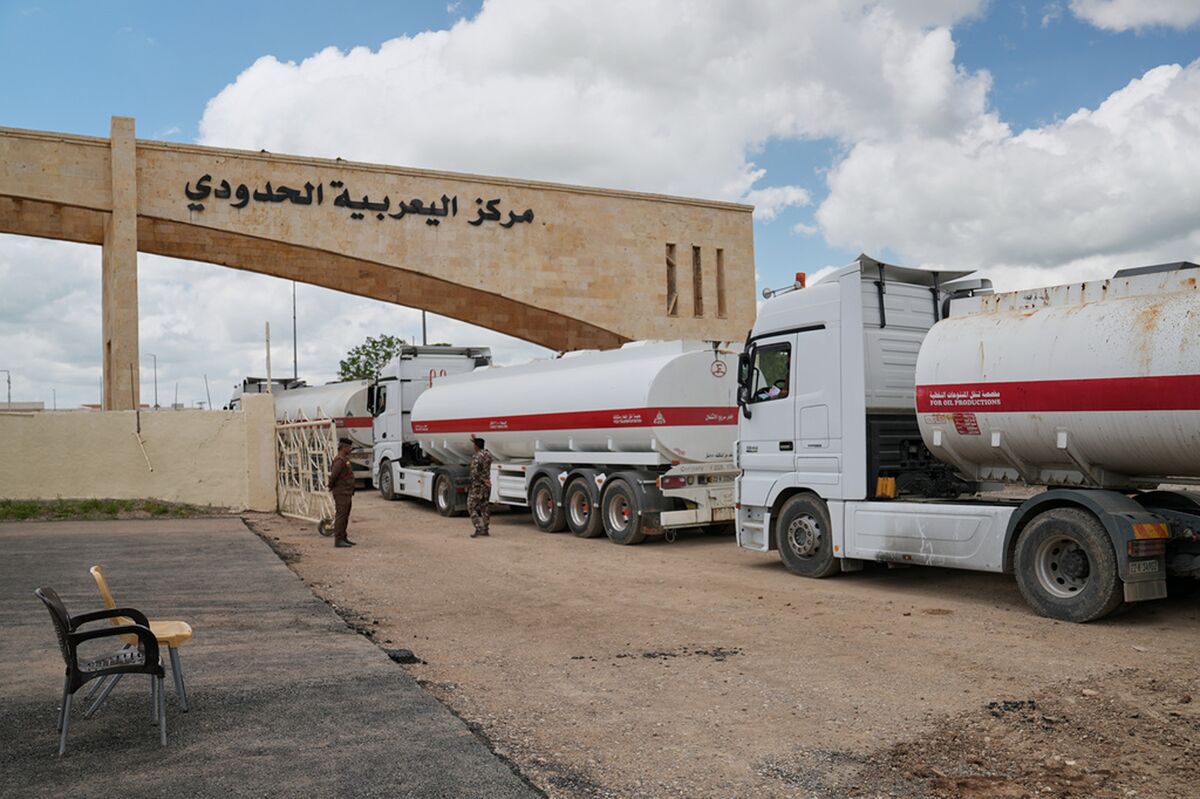
Iraq is leveraging its extensive fleet of trucks to transport fuel oil through Syria, skillfully diverting supply routes from the strategically crucial Strait of Hormuz. This strategic shift is quickly establishing Syria as a leading export hub in the Middle East.
Iraq’s Strategic Logistics Repositioning
In recent months, Iraq has adjusted its logistics to enhance fuel oil transportation by rerouting supplies through Syrian territory. This decision not only helps avoid the congested and often volatile Strait of Hormuz but also capitalizes on Syria’s geographical advantages. By utilizing trucks, Iraq aims to maintain a steady flow of fuel exports while minimizing risks associated with maritime transport. This targeted strategy is particularly significant as it aligns with global energy demands and stabilizes Iraq’s position in the market.
The Role of Syria in Fuel Exportation
Syria is increasingly becoming central to this new logistics network. With Iraq’s support, the country is experiencing a resurgence in its relevance in fuel exportation. The ability to transport oil via land routes lessens vulnerabilities related to naval passage, an essential advantage in a region where geopolitical tensions frequently disrupt maritime efforts. This shift not only has economic implications but also enhances Syria’s role as a critical player in the energy sector, benefiting both nations involved in this strategic maneuver.
Economic Impacts on Regional Trade
The truck-based fuel transportation method not only maximizes efficiency but also has the potential to lower transportation costs. With an increase in volume and frequency of shipments, both economies stand to gain substantially. For Iraq, the drive to export oil efficiently is crucial to its national revenue, while for Syria, this provides an opportunity to revitalize its economy amidst a challenging post-conflict environment. The new route promises an upward trend for regional trade dynamics, as improved trade relations could lead to increased investments and infrastructure development.
Future Prospects and Challenges
While the strategic utilization of trucking for fuel oil transport represents a forward-thinking approach, challenges remain on the horizon. Ensuring the safety of truck convoys in areas affected by conflict is a paramount concern. Additionally, maintaining consistent oil quality and managing logistics operations under unpredictable conditions could pose significant hurdles. However, with the right partnerships and continued infrastructure investments, Iraq and Syria can fortify this emerging trade route and solidify their standing in the global oil market.
Through these adaptive strategies, Iraq and Syria are not just reworking their logistics; they are reshaping the economic landscape of the Middle East. By prioritizing resourceful transportation methods, both nations can create a resilient and thriving export network that provides long-term benefits amid a complex geopolitical backdrop. As their cooperative efforts evolve, the region could witness a transformative phase that enhances economic stability and trading capabilities.