
As the conflict involving President Trump and Iran continues without a clear resolution, the president urges us to consider this “little excursion” within a broader historical context. He asserts that, in comparison to the Vietnam and Iraq wars, the current situation has not persisted for an extended duration. This comparison, however, raises questions about its validity and relevance.
The Vietnam and Iraq Comparisons
Reflecting on the U.S. experiences in Vietnam and Iraq reveals a troubling pattern. Initially, American military involvement in Vietnam lasted merely two months before it escalated into a protracted conflict that continued for more than a decade, leading to significant loss of life. Similarly, the Iraq war was heralded as successful with the “Mission Accomplished” declaration soon after two months of engagement. Yet, it devolved into years of chaos, destruction, and financial waste.
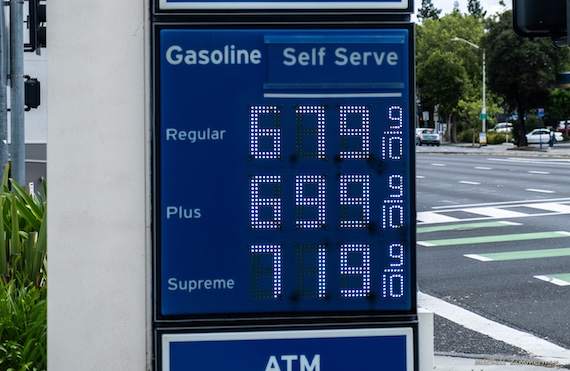
Unlike its predecessors, the current conflict has swiftly demonstrated its dire consequences. After just two months, the economic repercussions are already apparent, impacting the American populace and global markets. The price of gasoline has surged significantly, with diesel costs reaching new highs and aviation fuel experiencing a twofold increase. These spikes in energy costs are expected to translate into higher food prices due to fertilizer shortages exacerbated by tariffs and labor shortages resulting from deportations.
Promises and Economic Realities
Despite the current instability, Trump remains optimistic, predicting that gas prices will “drop like a rock” after the conclusion of the war. However, skepticism surrounds his assurances. Many Americans harbor doubts about Trump’s capacity to maintain such promises, especially given his prior claims about inflation and cost reductions during his earlier tenure. He has repeatedly made grand assertions about lowering prices, despite widespread experiences indicating the opposite.
Two main issues undermine his claims regarding a decrease in oil prices post-conflict. First, Trump lacks a credible strategy to bring the situation to a close, relying on unrealistic demands for Iran to capitulate. Moreover, the oil market will not instantly rebound after hostilities cease. Economists warn that oil prices are likely to rise rapidly, much like a rocket, but will fall slowly. The aftermath of the conflict will necessitate a significant replenishment of global oil reserves, prolonging elevated prices.
The Long-Term Impact and the Need for Accountability
The damage inflicted on Persian Gulf oil infrastructure during the conflict will not be easily rectified. Facilities such as Qatar’s, a vital supplier of liquid natural gas, face extensive repairs that could span up to five years. Furthermore, oil refineries in the region have sustained significant damage, delaying the recovery of operations.
This situation begs the question: when will gas prices return to pre-war levels? Experts suggest that it could take up to two years to regain lost energy output, significantly affecting inflation and the overall economy. This scenario has evolved from a misguided military endeavor that underestimated the realities of warfare and international dynamics.
The American public has learned valuable lessons from past conflicts, contributing to a growing disapproval of Trump’s handling of the situation. Polls indicate that a significant majority of citizens question his decisions regarding military action in Iran. This evolving sentiment could compel Trump to rethink his current strategy, though his insistence on framing the situation as a success complicates such a reversal.
In facing the realities of this conflict, the responsibility falls on political leaders and the military to evaluate their actions critically. Should Trump remain entrenched in a dangerous course of action, it may take collective resolve to mitigate any further escalation and uphold ethical boundaries in military conduct. The outcomes of these decisions will resonate far beyond our borders, shaping international relations and domestic stability for years to come.