
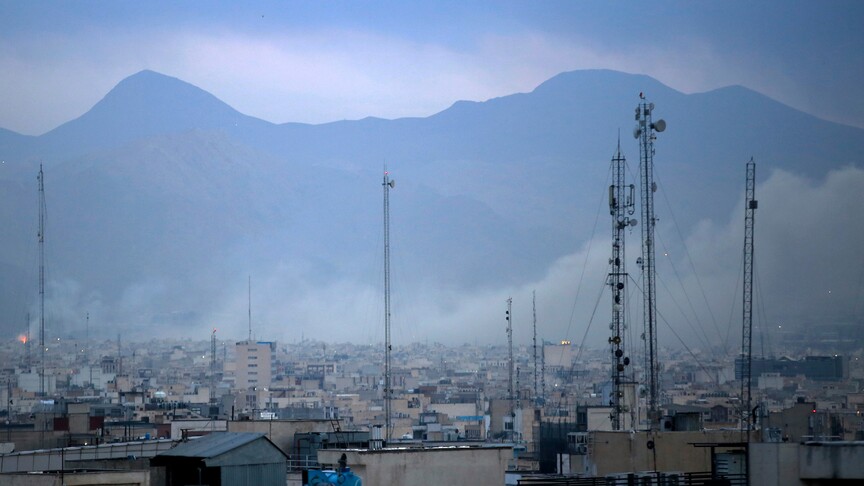
Two individuals lost their lives, and eleven more were injured in a recent U.S. airstrike at the Shalamcheh border crossing between Iran and Iraq, as reported by Iran’s Mehr News Agency, citing an official source. This incident has sparked renewed tensions in a region already fraught with conflict and uncertainty.
Details of the Airstrike
Valiollah Hayati, the deputy governor responsible for security and law enforcement in the southwestern Khuzestan province, stated that the passenger terminal area at the border crossing was specifically targeted. This point of entry has become a strategic focus in the ongoing confrontations between the U.S. and Iran. In addition to the attack at the border, Hayati mentioned that another U.S. missile strike occurred near the city of Andimeshk in Khuzestan, indicating a broader pattern of aggressive military activity in the region.
U.S. Objectives and Ongoing Operations
These airstrikes are part of a sustained campaign by the U.S. that aims to undermine Iran’s capabilities to threaten civilian vessels and maritime activities in regional waters. The U.S. Central Command (CENTCOM) has made it clear that they intend to continue these operations in an effort to stabilize the area. This strategy is influenced by Iran’s ongoing missile attacks on U.S. facilities in various nations throughout the region, escalating the already high levels of hostilities.
Consequences of Military Engagements
The cycle of retaliation has worsened tensions, especially given the backdrop of a Pakistan-brokered framework agreement signed between the U.S. and Iran in June. This agreement was intended to put an end to hostilities that had surged since the conflict began in February. Despite these diplomatic efforts, the ongoing military engagements have overshadowed any hope for a long-term resolution or peace deal, raising fears of further escalation.
The Uncertain Path Forward
As both nations continue their military operations, the prospect for peace appears dim. Communities near the conflict zones remain on edge, anxiously watching as the situation unfolds. The international community is also paying close attention, urging both sides to consider the humanitarian impacts of continued fighting. The frontlines of this confrontation not only affect those directly involved but also have broader implications for regional stability and global security.
The future remains uncertain as the U.S. and Iran grapple with their conflicting interests. While military actions continue to dominate the narrative, the calling for peace and diplomatic solutions is becoming increasingly urgent. How both nations choose to navigate this challenging landscape will likely shape the political climate in the region for years to come.