
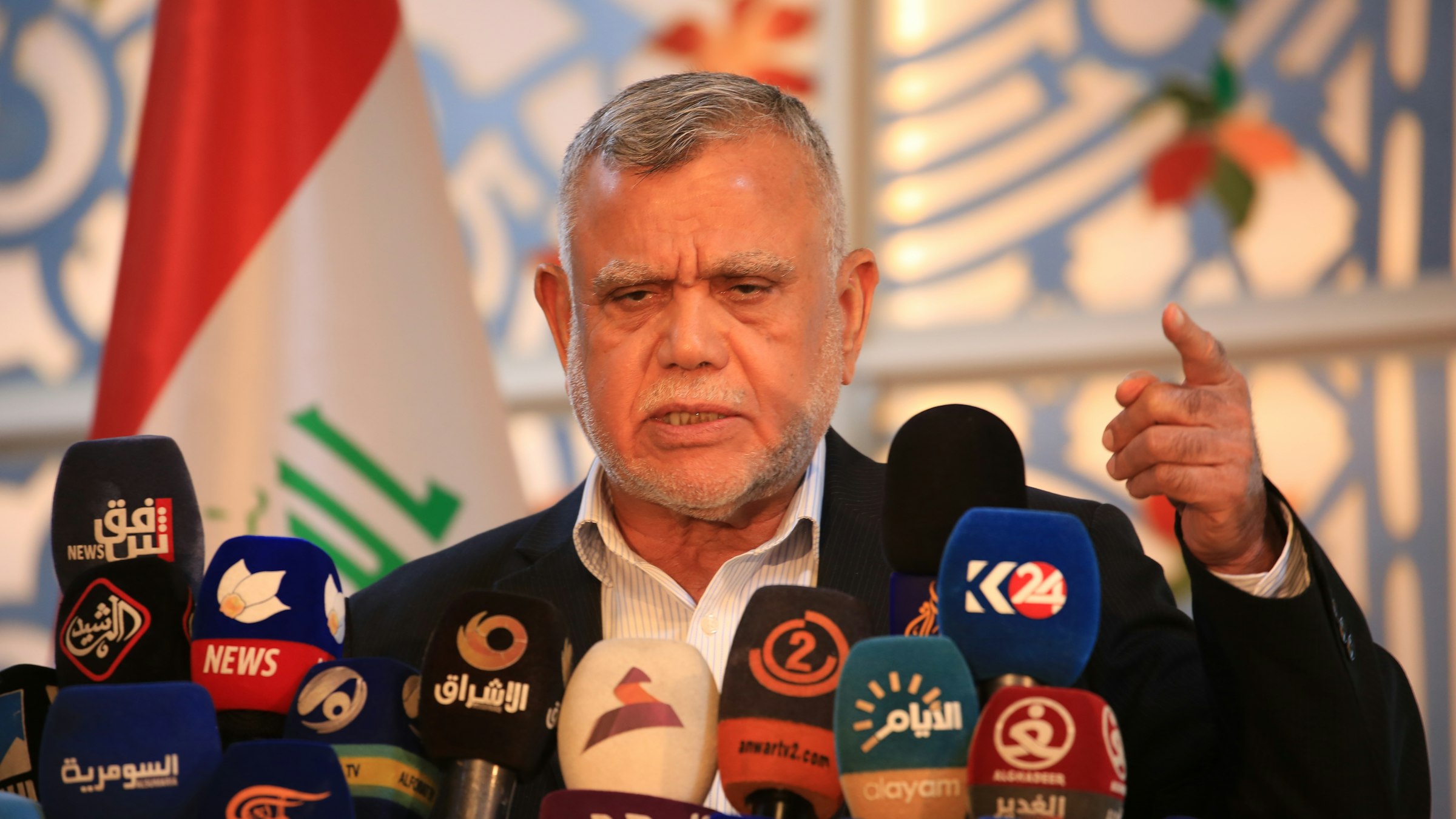
The threat of military conflict in the region has recently lessened, centering on Iraq. Hadi Al-Ameri, the leader of the Badr Organization, has taken a significant step to ease tensions by calling for restraint among Iraqi armed groups. His late-night video message on August 7 serves as a crucial plea to avoid retaliatory strikes against Saudi Arabia, stemming from the Kingdom’s recent airstrikes in Iraq.
The Call for Restraint
In his rare late-night address, Al-Ameri urged the “Islamic Resistance in Iraq” to refrain from fulfilling threats aimed at Saudi Arabia. This statement is particularly important given the ongoing geopolitical tensions in the Middle East. The Badr Organization, a prominent military faction in Iraq, has a long history of influencing local and regional politics, making Al-Ameri’s comments resonate deeply. By advocating for caution, he aims to navigate the delicate balance in a volatile landscape, highlighting the need for diplomacy over armed confrontation.
Regional Dynamics and Alliances
The backdrop of Al-Ameri’s message includes the recent mutual defense pact signed by Pakistan, Saudi Arabia, and Turkiye in Mecca. This development adds another layer to an already complex regional dynamic. The alliance demonstrates a shift towards collective security in response to the heightened threat levels in the Middle East. Such pacts can have significant implications on various factions operating within Iraq, as they could embolden or deter certain groups from taking aggressive actions.
Implications for Iraq and Beyond
The call for restraint is pivotal, not only for Iraq but for the region as whole. A military escalation would likely have far-reaching impacts, potentially destabilizing not just Iraq but also its neighbors. Continued violence could lead to worsening humanitarian situations, economic instability, and renewed power struggles among various factions. Al-Ameri’s plea for calm could serve as a critical moment in averting further conflict, offering a temporary reprieve in an otherwise turbulent setting.
Whether this call for restraint will result in lasting peace or merely serve as a momentary pause remains to be seen. The tensions are intricately woven into the fabric of the region’s political landscape, making it essential for leaders like Al-Ameri to advocate for diplomacy, compromise, and understanding among conflicting parties. As international interests converge in the Middle East, the actions taken by local players will play a crucial role in shaping future developments.
In conclusion, Hadi Al-Ameri’s appeal to fellow Iraqi factions marks a crucial point in Iraq’s ongoing efforts to maintain stability. By urging restraint in light of increased regional tensions and new alliances, there’s hope that the situation can de-escalate, allowing for a more peaceful resolution. As global observers closely watch these developments, the emphasis on dialogue and precaution will be vital in navigating one of the world’s most challenging geopolitical landscapes.