
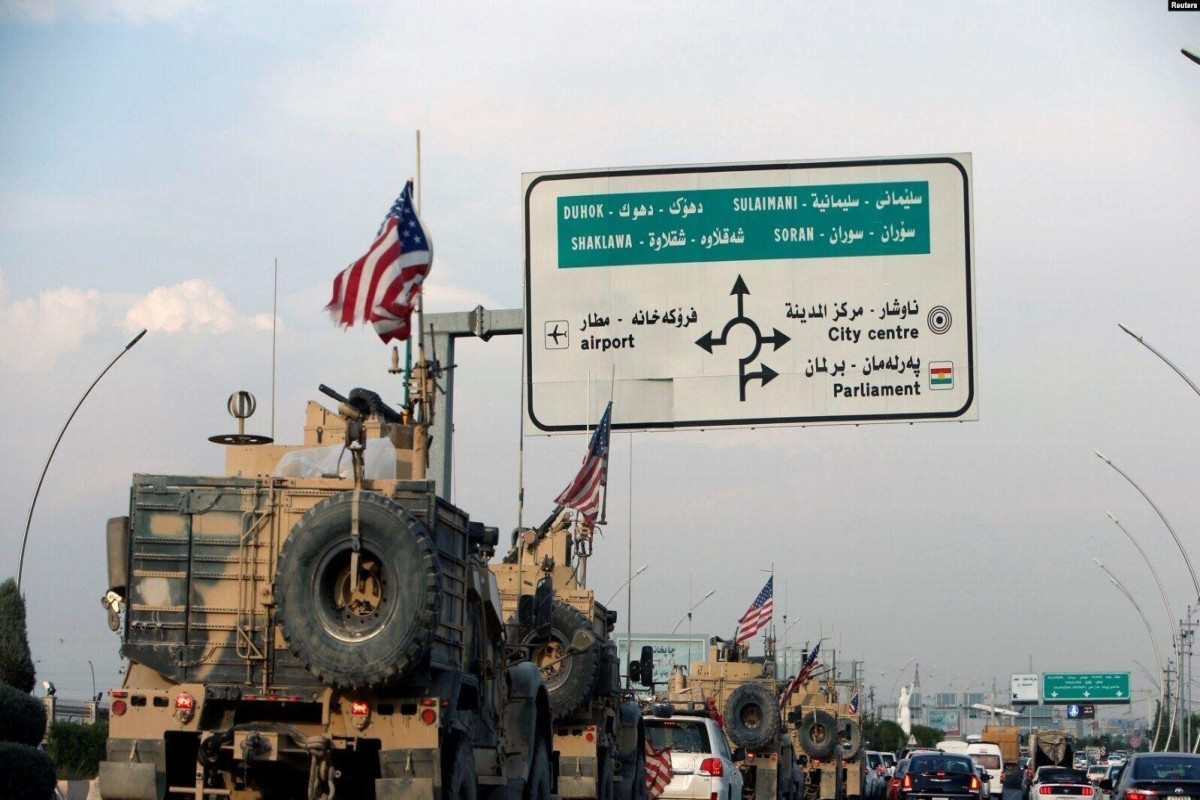
The U.S. military presence in Iraq is undergoing significant changes as forces in the autonomous region of Iraqi Kurdistan begin to dismantle their air defense systems. This transition marks a crucial step ahead of the final withdrawal of international coalition troops planned for the end of September. Reports from Al Hadath television highlight these developments, emphasizing the U.S. commitment to reconfiguring its military footprint in the region.
Withdrawal of Air Defense Systems
According to the latest reports, U.S. troops have initiated the process of dismantling and relocating their air defense systems from strategic positions in Iraqi Kurdistan. These sources indicate that the military is not only withdrawing defense installations but also pulling out heavy military equipment. This shift is part of an ongoing strategy to conclude U.S. military involvement significantly as the coalition focuses on local partnerships and the task of stabilizing the region.
International Coalition’s Tactical Shift
The U.S. operations in Iraq have seen considerable changes throughout this year. As of late January, the international coalition, primarily led by the United States, completed the withdrawal of all military units and advisers from federal areas in Iraq, maintaining only a presence in the autonomous Kurdish region. This strategic decision reflects an evolving military stance aimed at reducing foreign military engagement while still supporting local forces in maintaining security.
Daily Equipment Withdrawals
As part of this ongoing transition, reports reveal that the international coalition is actively withdrawing military equipment on a daily basis. Sources have stated that at least one column of military vehicles and supplies is being removed from Iraqi territory regularly. This systematic withdrawal indicates a methodical approach to reducing the military footprint as the coalition prepares for its eventual exit.
The Future Landscape of Iraqi Kurdistan
With the end of September approaching, the landscape of Iraqi Kurdistan is likely to undergo significant transformation. As the air defense systems are taken down and military equipment is being withdrawn, the responsibility for security and stability will increasingly shift toward local forces. The future will depend on how effectively these forces can manage security challenges in the absence of international military support.
In summary, the dismantling of air defense systems and the withdrawal of heavy military equipment by U.S. forces in Iraqi Kurdistan signal a deliberate transition as the international coalition prepares for its withdrawal. This process reflects a broader shift in military strategy and a move towards empowering local forces to manage stability and security in the region. As the timeline for withdrawal nears completion, both local and international observers will be closely monitoring developments in the region, which will undoubtedly have far-reaching implications for Iraq’s future stability.