
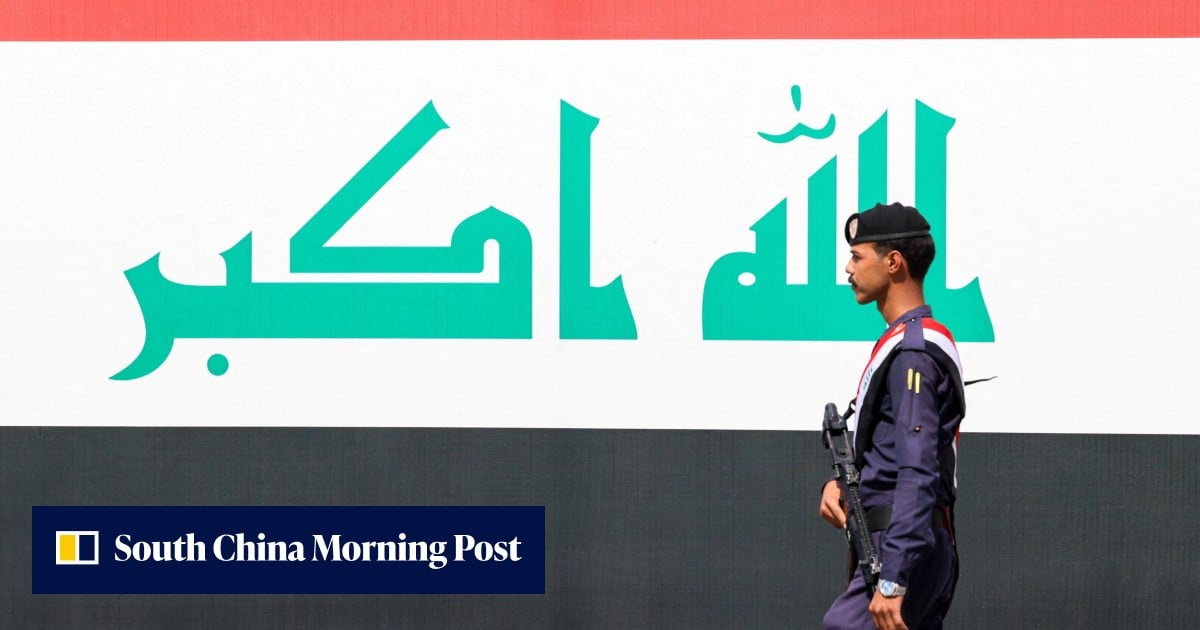
The recent conclusion of the U.S. military mission in Iraq marks a significant shift in the region’s geopolitical landscape. Analysts suggest that this development may provide Baghdad the opportunity to explore a broader range of partnerships, potentially creating openings for nations like China to bolster their energy and commercial interests. However, experts warn that this is unlikely to lead to a power vacuum that Beijing could readily exploit.
U.S. Troop Withdrawal: A Milestone Event
On September 30, 2021, the United States officially terminated its Operation Inherent Resolve mission in Iraq. This withdrawal was part of a plan established under former President Joe Biden’s administration to complete troop redeployment by the end of 2024. Launched in 2014, the mission aimed to combat the Islamic State group, which posed a significant threat to regional stability. With the operational phase of U.S. military involvement in Iraq winding down, the focus has shifted to an Iraqi-led security initiative designed to maintain local security and order.
Implications for Regional Alliances
The conclusion of the U.S. military presence could open new avenues for Iraq to diversify its international relationships. While the potential for increased collaboration with nations, including China, exists, analysts caution that Beijing lacks the necessary ambitions and capabilities to assume the security roles traditionally filled by the United States. This restraint is partly due to China’s focus on economic development rather than military expansion in volatile regions.
U.S. Continued Support: Strategic Training and Intelligence
Despite the end of its military presence, the United States has assured that it will maintain a level of involvement in Iraq by providing targeted training and intelligence support. This commitment is crucial for ensuring that local security forces remain effective and capable of dealing with any threats that may arise in the future. The transition to an Iraqi-led security model is designed to empower local authorities while still benefiting from U.S. expertise and oversight.
Future Challenges and Opportunities
As Iraq navigates its post-U.S. military landscape, it faces both challenges and opportunities. The nation must balance its newfound autonomy with the complex dynamics of international relations, especially regarding neighboring countries and global powers like China. Analysts continue to monitor the situation, noting that while Iraq’s sovereignty is strengthened by the reduction of U.S. military influence, the road ahead will require astute diplomacy and strategic decision-making to safeguard national interests and foster economic growth.
In summary, the end of the U.S. military mission in Iraq has set the stage for a new era in the region, marked by potential partnerships and evolving security structures. While opportunities for collaboration with nations such as China are on the horizon, the implications of this shift require careful management to ensure a stable and prosperous future for Iraq.