
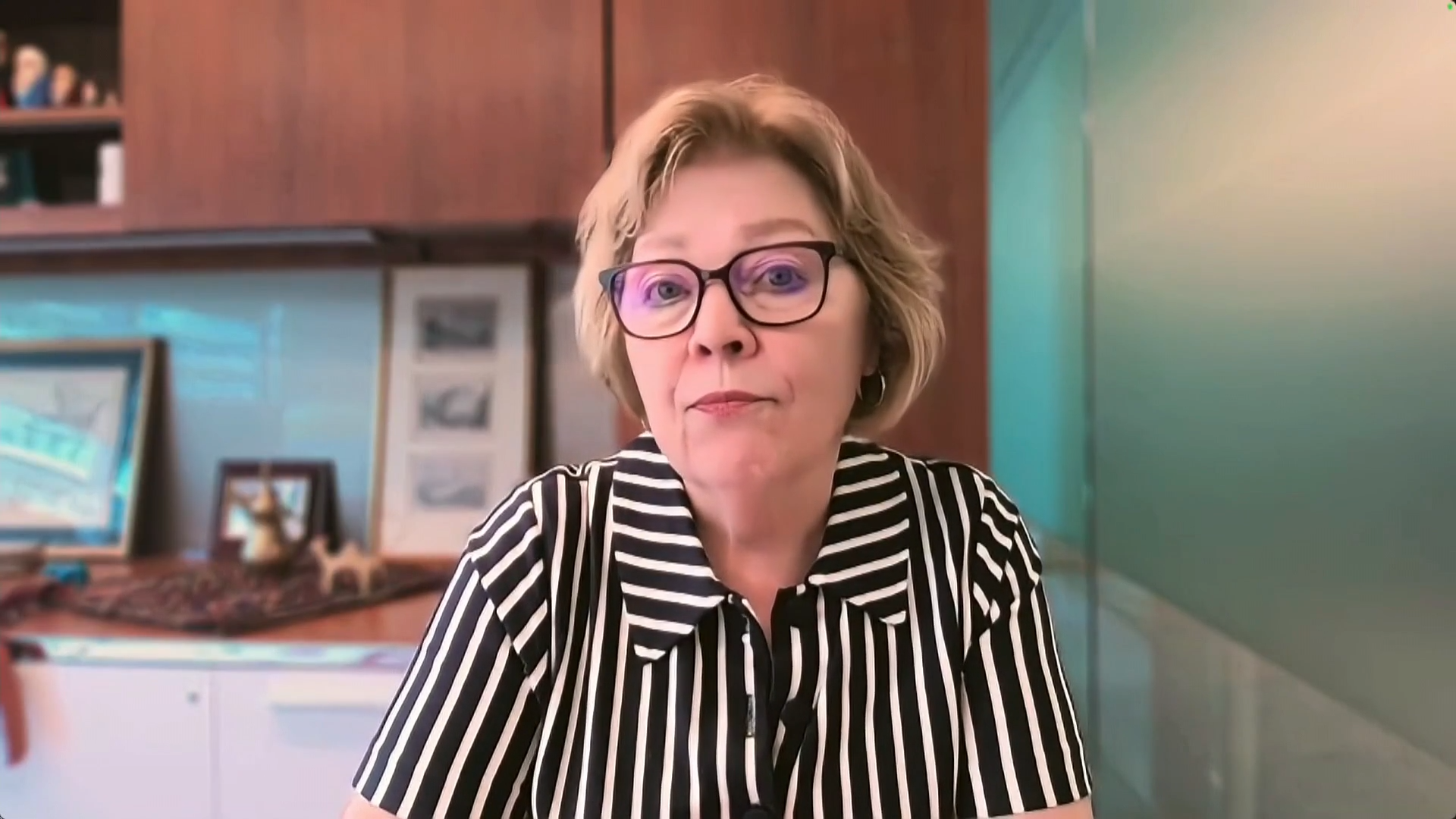
Understanding the Role of US Diplomacy in the Middle East: Insights from Barbara Leaf
In the complex landscape of Middle Eastern diplomacy, understanding the nuances of U.S. foreign policy is vital. Barbara Leaf, a seasoned diplomat who held the position of Assistant Secretary of State for Near Eastern Affairs during the Biden administration, provides valuable insights into the region’s geopolitics.
The Challenges and Opportunities in Middle Eastern Diplomacy
The Middle East presents a unique array of challenges for U.S. diplomats. Issues such as regional conflicts, nuclear proliferation in Iran, and the Israeli-Palestinian conflict require careful navigation. Leaf emphasizes that successful diplomacy goes beyond mere negotiations; it involves building relationships. By fostering dialogue and understanding, diplomats can create a climate conducive to lasting peace.
Moreover, the U.S. faces criticism for not acting decisively in some situations. Leaf acknowledges the delicate balance the U.S. must maintain to preserve its interests while promoting stability in the region. The administration’s approach seeks to align U.S. strategy with the aspirations of Middle Eastern nations, fostering an environment where collaboration becomes possible.
Engaging with Regional Partners
Leaf highlights the importance of engaging with regional partners to enhance diplomatic relations. Solid alliances are essential in addressing shared concerns, from counterterrorism to economic development. The U.S. has historically supported various nations in the Middle East, but the dynamics are shifting. Countries like Saudi Arabia, the United Arab Emirates, and Egypt now play pivotal roles in regional security.
Establishing mutual respect and understanding among these partners is critical. Diplomats must work diligently to create platforms for dialogue that encourage cooperation over confrontation. Leaf notes that the emerging partnerships marked by economic and military cooperation can pave the way for a more stable Middle East.
The Israel-Palestine Question: A Delicate Balancing Act
One of the most enduring challenges in U.S. diplomacy is the Israel-Palestine conflict. Leaf underscores the need for a renewed focus on this issue, which remains a deeply rooted source of tension. The Biden administration aims to recalibrate its approach, emphasizing that both sides must feel heard and respected.
Efforts to facilitate dialogue must involve addressing the core grievances of both Israelis and Palestinians. Leaf argues that a sustainable solution can only emerge when both parties are willing to come to the table and engage in genuine discussions. U.S. diplomats have a crucial role in promoting this dialogue, fostering an environment where trust can be developed.
The Future of U.S. Engagement in the Middle East
As the geopolitical landscape continues to evolve, the future of U.S. engagement in the Middle East remains uncertain. Barbara Leaf stresses that adaptability is paramount. Diplomats must remain vigilant, continuously reassessing their strategies to align with the shifting dynamics.
In conclusion, U.S. diplomacy in the Middle East is not without its complexities. However, through building strong relationships, engaging regional partners, and fostering dialogue in longstanding conflicts, there is hope for a more stable and prosperous region. The insights from Barbara Leaf serve as a reminder that while challenges exist, opportunities for progress also abound.