
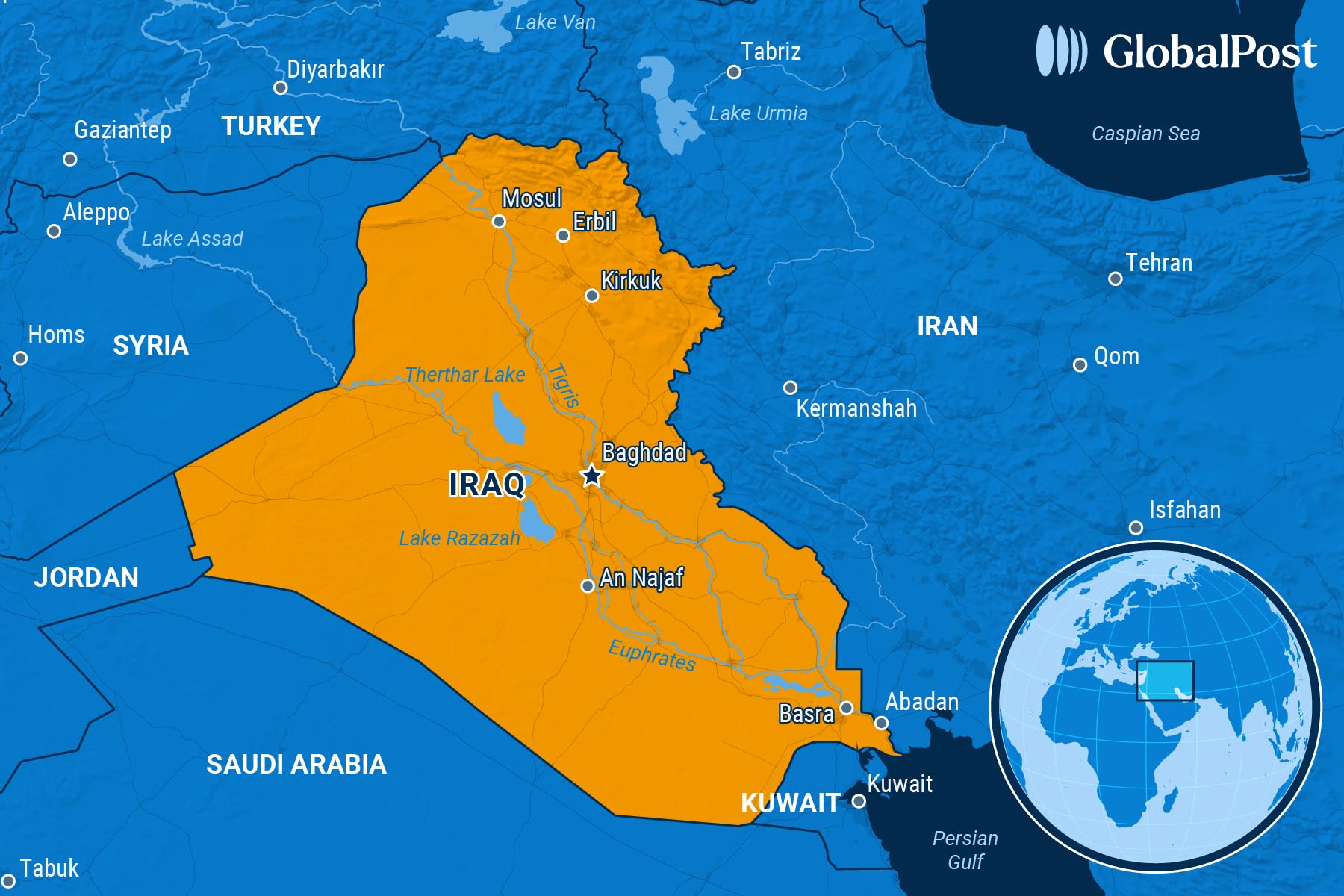
The withdrawal of U.S. troops from Iraq has evoked complex emotions among the local population, especially as it coincides with heightened tensions in the region. As the U.S. exits, concerns about Iraq’s vulnerability to Iranian influence rise. Understanding the implications of this withdrawal is essential to grasping the future of Iraq and its relationship with neighboring countries.
The Impact of U.S. Withdrawal on Iraq
After more than twenty years of military presence in Iraq, the conclusion of the U.S. mission marks a pivotal change. The recent withdrawal, finalized on September 30, ended a prolonged engagement that began in 2014 when the U.S. returned to assist in combating the Islamic State (IS). The conflict against IS saw the U.S. military aiding Iraqi forces in reclaiming territory lost to the militant group. However, the legacy of this military intervention remains contentious among Iraqis.
Many Iraqis, like photographer Omar al-Husseini, express mixed feelings about the American exit. Al-Husseini’s family has endured pain from both the U.S. military operations and the rise of IS. “My wife lost her eyesight from the shrapnel of an American bullet,” he recounted, highlighting the deep scars left by years of conflict. His sentiments reflect a broader apprehension among Iraqis about what lies ahead as the U.S. departs. With their departure, there is growing anxiety over Iran’s increasing footprint within Iraq.
Iran’s Growing Influence in Iraq
Iran has long held significant sway among various Iraqi militia groups, many of which are now more emboldened following the U.S. withdrawal. The relationship between these militias and the Iranian regime raises concerns about regional stability. Analysts believe that the power vacuum created by the American exit could enable Iran to further deepen its involvement in Iraq, potentially destabilizing the already fragile political landscape and exacerbating sectarian tensions.
The ramifications of Iranian influence extend beyond Iraq’s borders. As Iran fortifies its presence, the longstanding rivalries in the region could intensify, particularly in relation to U.S.-Israeli interests. The evolving alignment of forces could shape future confrontations, making Iraq a battleground for competing regional powers. This is a significant concern for many Iraqis, who have only recently begun to experience a semblance of peace after years of turmoil.
The Path Forward for Iraq
As the country stands at this critical juncture, Iraqis are left contemplating their future. With the U.S. no longer present, it becomes imperative for local governance, civil society, and international allies to collaborate effectively to foster stability. The potential for Iranian dominance looms large, prompting some calls for renewed unity among Iraqis to fortify national sovereignty against external pressures.
Keen observers argue that the international community must remain engaged in Iraq to ensure that the advancements made in rebuilding and governance do not unravel. Future success will depend on Iraqi political leadership’s ability to address internal divisions and navigate the complexities of regional geopolitics. The departure of U.S. forces signifies not just an end but an opportunity for Iraq to redefine its identity and assert its independence on the global stage.