
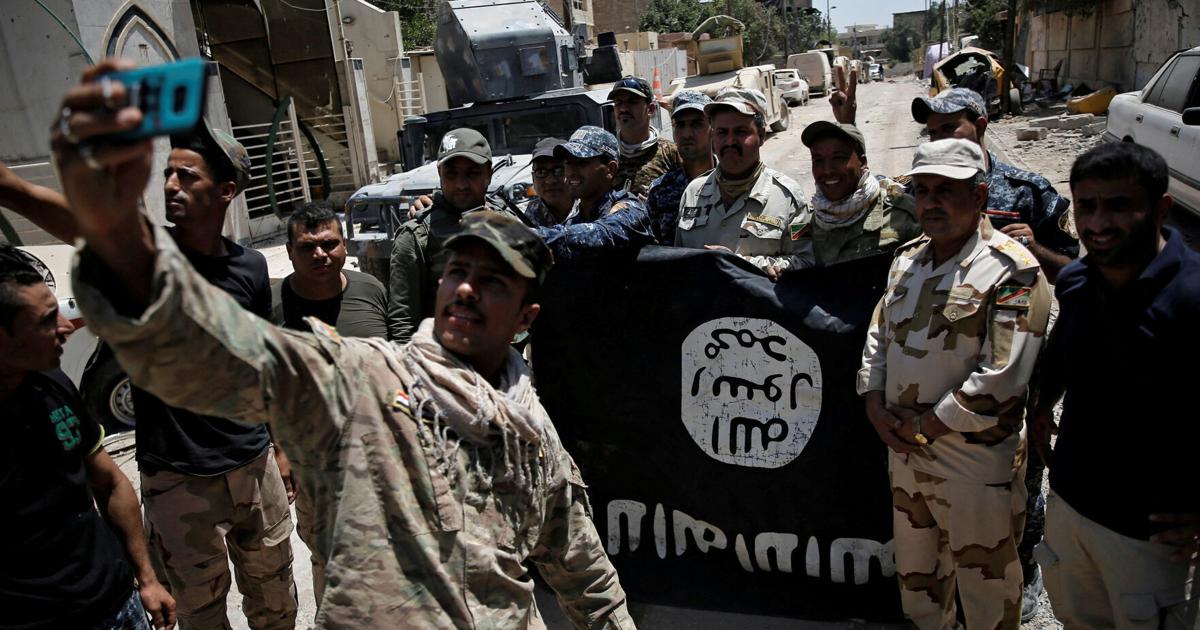
The recent withdrawal of foreign troops from Iraq has reignited discussions about the country’s security landscape. As Iraqi officials and security experts analyze the situation, they are faced with challenges regarding how to manage the remnants of the Islamic State group and the influence of Iran-aligned militias.
The Current Security Dilemma
With foreign troops no longer present, Iraq is at a critical juncture. The withdrawal raises pressing questions about the ability of Iraqi security forces to counteract the still-active Islamic State factions scattered throughout the country. These remnants pose a threat not only to peace in Iraq but also to the broader stability of the region. Security experts argue that even though the Islamic State has lost significant territories, its ideology persists and could potentially reignite hostilities. Analysts are urging the Iraqi government to enhance its counterterrorism capabilities and invest in more robust intelligence frameworks to monitor and neutralize these threats effectively.
The Influence of Iran-Aligned Militias
Another critical concern arises from the powerful militias aligned with Iran that operate in Iraq. Their presence complicates the security landscape further, as these groups have often been involved in violence against both ISIS and other political entities. While these militias have played a role in combating the Islamic State in the past, their intentions and loyalty raise questions about their influence on Iraq’s sovereignty. The Iraqi government faces the challenge of managing these militias, which may not always align with national interests. If left unchecked, these groups could undermine the Iraqi state and further complicate efforts for peace and stability in the region.
Steps Towards Stability
To navigate these challenges, Iraq must focus on a multifaceted approach. Firstly, rebuilding and strengthening the Iraqi military and intelligence services is essential. Modern training and equipment can enhance their operational capability and readiness in facing diverse threats. Additionally, the government should work to foster unity among various political factions while ensuring that the rule of law is upheld. This involves engaging communities in dialogue and development initiatives to mitigate disenfranchisement, which can fuel extremism.
Moreover, international partnerships could prove beneficial. While the complete withdrawal of foreign troops may have been intended to promote sovereignty, strategic alliances with nations that specialize in counterterrorism can provide support without compromising Iraq’s independence. These partnerships can offer training, resources, and intelligence-sharing that are vital in addressing both ISIS remnants and the influence of Iran-aligned militias.
The Way Forward
As Iraq stands at this crossroads, the path forward will require careful consideration and strategic planning. The ongoing threat from Islamic State cells and the presence of powerful militias demand a well-coordinated response from Iraqi leadership. Balancing military readiness with effective governance will be key to restoring confidence among the populace and ensuring long-term stability. The actions taken today will set the foundation for Iraq’s future, determining whether the country can emerge from its tumultuous past into a more secure and prosperous future.