
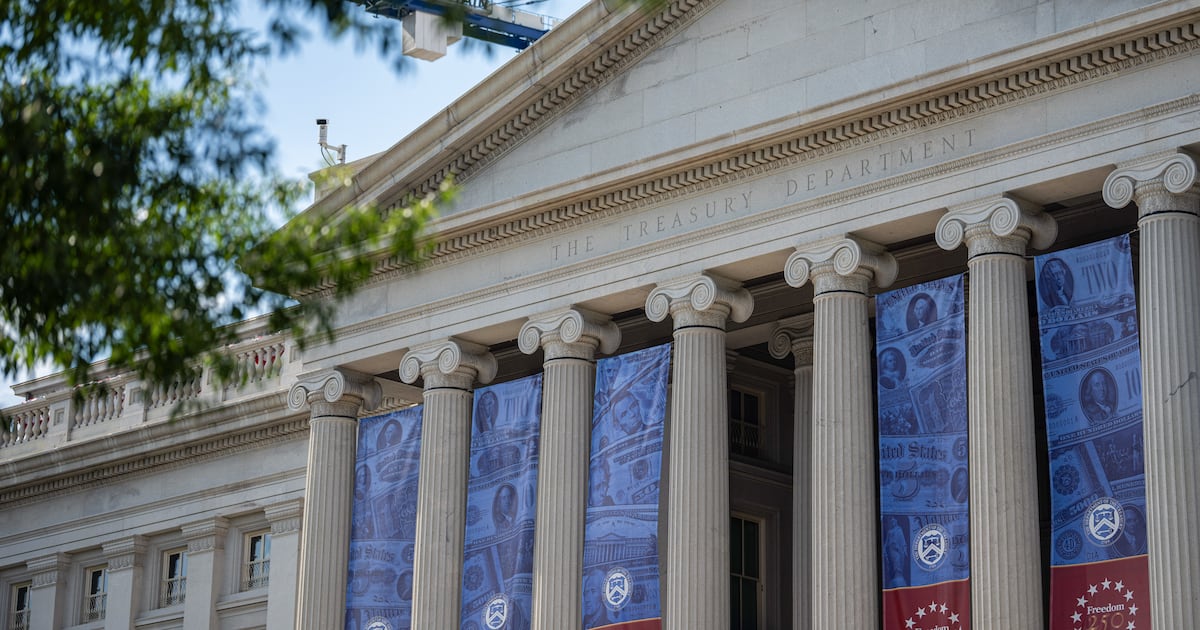
The recent sanctions imposed by the United States on the Iraq Development Bank highlight a significant step in the ongoing economic and political tensions related to Iran. According to the U.S. Treasury Department, these actions are part of a broader initiative to curb illicit financial activities and halt ties that undermine American efforts in the region.
New Sanctions Target Financial Institutions
On Thursday, the Iraq Development Bank was included among a list of entities sanctioned by the U.S. government due to its connections with Iran. This stringent measure is part of Washington’s “Economic Outcast” program, which is designed to hold accountable countries and institutions that continue to maintain business relations with Iran. In total, 10 entities and 16 individuals were targeted in this latest wave of sanctions, sending a clear message of the potential consequences for those engaging with Tehran.
The Treasury has expressed its commitment to coordinating actions with other international players, like the European Union and Gulf partners, to eliminate any resources the Iranian regime may exploit. “Working with our partners across government and international borders, we aim to target sources of illicit revenue and uncover any attempts to evade sanctions,” a spokesperson noted. This concerted effort indicates a larger strategy focused on isolating Iran and limiting its financial avenues.
The Broader Impact on Iraq’s Banking Sector
Iraq has faced increasing scrutiny over its banking practices, particularly relating to the U.S. dollar transactions. Following investigations, the Iraqi government recently restricted the International Development Bank and several other local banks from partaking in dollar dealings. The U.S. Treasury has pointed out that the IDB was involved in dubious practices, including ties to Iranian governmental entities and militia groups operating within Iraq.
In the past, the U.S. has also sanctioned banks based in Turkey and certain branches in the UAE, highlighting a growing concern regarding sanctions evasion and money laundering activities linked to Iran. The continuous tightening of financial interactions reflects the U.S. strategy to limit Iran’s economic capabilities, with Treasury Secretary Scott Bessent declaring, “The noose is tightening around Iran’s economy, and not even Iran’s so-called allies can save it.”
Iraq’s Challenges and Future Prospects
Prime Minister Ali Al Zaidi is working towards reforming Iraq’s banking system, which has been plagued by corruption and inefficiencies for years. However, some analysts caution against interpreting the recent sanctions as a punitive measure on Iraq itself. According to Hiba Abdulwahib, an Iraqi researcher, the fragmented nature of authority in the country complicates any straightforward interpretation of the U.S. actions. She emphasizes that the Iraqi government may not exert complete control over all economic actors, referring to the intricate networks that Iran maintains in Iraq.
Furthermore, experts like Abdulwahib suggest that these sanctions could prompt Baghdad to enhance oversight and compliance in its banking sector. “There’s a strong incentive for the Iraqi government to address issues in financial regulation to prevent further sanctions,” she explained. This pressure may eventually foster closer cooperation in monitoring suspicious activities and imposing penalties on non-compliance, contributing to systemic reform.
Looking ahead, the Treasury’s Office of Terrorism and Financial Intelligence has laid out a roadmap for Iraq’s reintegration into the global banking system. This multi-phase plan focuses on the need for compliance audits and adherence to international standards, ensuring that no institutions regain access to foreign currency transactions without thorough vetting. The U.S. has signaled that it will not tolerate the exploitation of Iraqi financial institutions by Iranian-aligned groups.
As these developments unfold, the political dynamics within Iraq, especially in terms of managing ties with both the U.S. and Iran, will remain critical. Al Zaidi’s recent visit to the U.S., during which he pledged to disarm militia groups, indicates a significant effort to navigate this intricate landscape. However, timelines for disarmament remain fluid, with implications for Iraq’s future relations with both Iran and the U.S.