
Tensions in the Middle East have escalated significantly, particularly surrounding the U.S.-Iran conflict. Recent events highlight the increasing volatility in the region, impacting both military operations and global supply chains.
Drone Attacks Target U.S. Forces
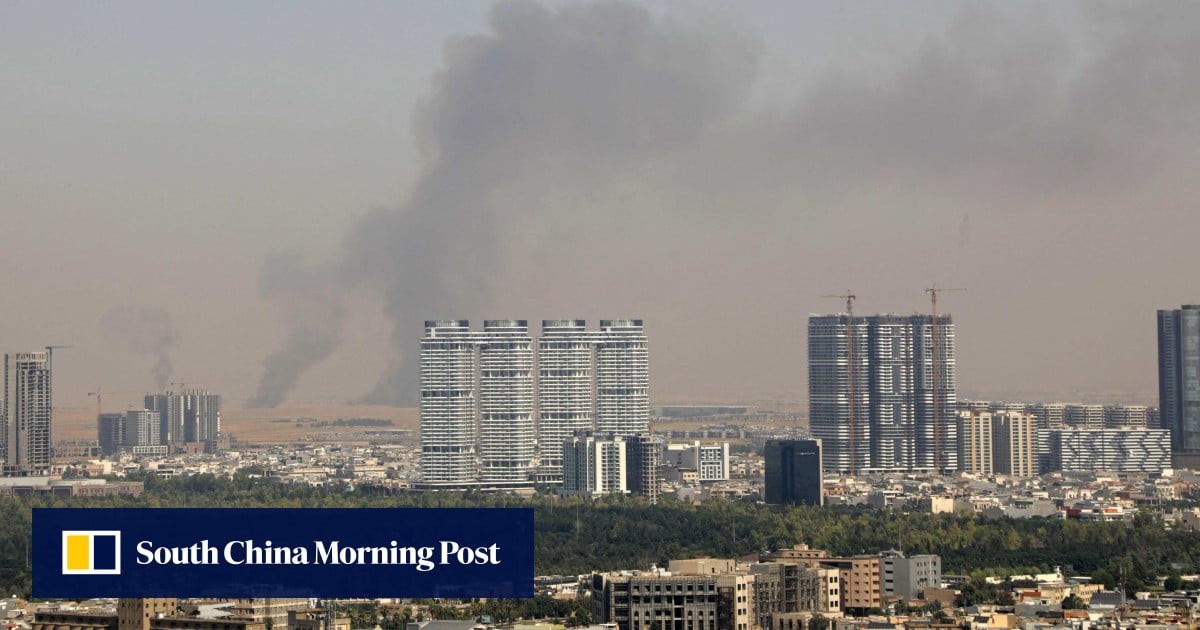
On Friday, drones laden with explosives aimed at a city in northern Iraq where U.S. military personnel are deployed. This attack coincided with air raid sirens heard in Bahrain, just hours after the American military announced the conclusion of its thirteenth consecutive night of air strikes against Iranian positions. These developments indicate a rapid escalation in hostilities as both sides intensify their military actions.
U.S. and Iranian Military Escalation
Over the past week, the conflict has intensified dramatically. The American military has launched extensive bombardments on Iranian targets, responding to a series of Iranian assaults on shipping vessels within the strategic Strait of Hormuz. This crucial maritime passage is vital for global energy supplies; any disruptions could lead to soaring fuel prices and significant economic instability across the globe. The stakes have never been higher as the strait emerges as the epicenter of renewed conflict between the two nations.
Houthi Attacks on Oil Tankers
Additionally, Iranian-aligned Houthi rebels have put further strain on the situation by attacking two Saudi oil tankers in the Red Sea. This move aligns with their agenda to obstruct alternate oil transportation routes in the region, heightening concerns about a potential escalation in regional attacks. The Houthis’ actions serve as a reminder of Iran’s extended influence through its myriad proxy forces, amplifying the urgency for neighboring countries.
Iran’s Targeting of U.S. Facilities
In a direct confrontation, Iran’s Revolutionary Guards claimed responsibility for targeting a data center in Bahrain, reportedly associated with Amazon, an American tech giant. State media reported that the Iranian forces described the attack as a strike on facilities crucial for U.S. intelligence operations. This action underlines the growing complexity of the conflict as it extends beyond conventional warfare into cyber and intelligence realms, raising questions about the vulnerability of critical infrastructure and its implications for international relations.
As the situation continues to evolve, the ripple effects of these confrontations are felt globally. The implications for energy markets, international security, and geopolitical dynamics are profound, and it remains to be seen how further escalation can be avoided. As nations navigate this complex landscape, the focus now turns to strategic diplomatic efforts that could potentially de-escalate hostilities and safeguard economic interests.