
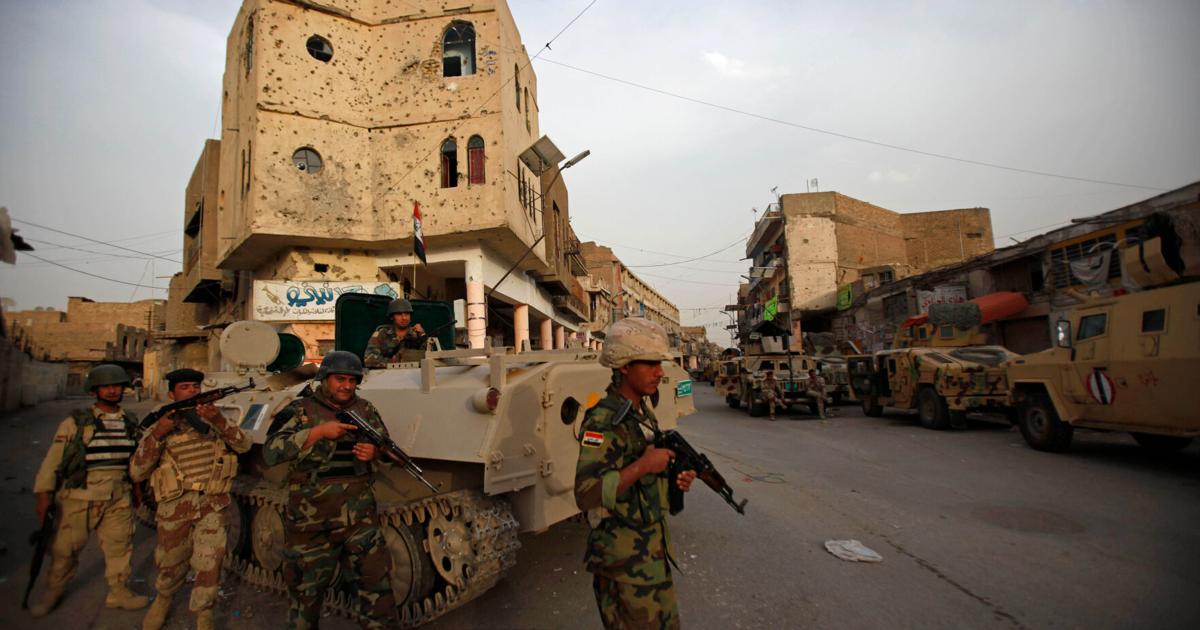
In recent years, Iraq has faced various challenges, including security threats and social unrest. The country has been navigating through a complex landscape shaped by its history and geopolitical positioning. Understanding these dynamics is crucial for comprehending the contemporary issues Iraq encounters.
The Impact of Security Operations in Iraq
Security operations in Iraq have significantly influenced the safety and stability of the nation. The military often conducts patrols and search missions in vulnerable areas to counteract insurgent activities. For instance, operations in predominantly Sunni neighborhoods, such as Fadhil in Baghdad, illustrate the ongoing efforts of the Iraqi army to maintain law and order. These actions aim to restore public trust and reassure civilians that their safety is a priority.
However, the effectiveness of these operations is often questioned. While they may lead to short-term security improvements, challenges remain. Prolonged military presence can create tensions between different communities, complicating the already fragile relationship between various ethnic and sectarian groups. Balancing security measures with community relations is essential for long-term peace and stability.
Social Tensions and Sectarian Divides
The social fabric of Iraq is marked by deep-rooted sectarian divisions, primarily between Sunni and Shia Muslims. These divides have been exacerbated by years of conflict, including the rise and fall of ISIS, making the current situation even more precarious. The repercussions of sectarianism can be seen in everyday life, where individuals may feel compelled to align with particular groups for protection or status.
One of the critical aspects of addressing these social tensions is promoting dialogue among communities. Initiatives that encourage interaction and cooperation between Sunni and Shia groups can pave the way for reconciliation. Building trust and understanding is vital for creating a sense of unity among Iraqis, which can ultimately contribute to the nation’s stability.
Economic Challenges and Opportunities
In addition to security and social issues, Iraq faces significant economic hurdles. The economy has long been dependent on oil, leaving it vulnerable to fluctuations in global prices. This reliance can hinder broader economic development and exacerbate poverty and unemployment rates. Government efforts to diversify the economy are crucial in mitigating these risks and fostering sustainable growth.
Investment in various sectors, including agriculture and tourism, holds potential for economic revitalization. By harnessing the country’s rich cultural heritage and natural resources, Iraq can create new job opportunities and stimulate local economies. Supporting entrepreneurship and small businesses is another strategy that can lead to more resilient economic conditions.
Looking Ahead: The Path to Stability
For Iraq to emerge from its current challenges, a multifaceted approach is essential. Addressing security concerns should go hand in hand with fostering social cohesion and economic development. Acknowledging the complexities inherent in Iraq’s landscape can guide policymakers and community leaders in crafting effective solutions. Encouraging active participation from citizens in decision-making processes can also empower individuals and strengthen the democratic fabric of the nation.
Ultimately, the path forward requires commitment and collaboration from all sectors of society. By investing in human capital, building trust across communities, and pursuing economic diversification, Iraq can lay the groundwork for a more stable and prosperous future.